Written scope
Circuit, conduit route and mounting location
Tesla Wall Connector Installation Redondo Beach CA is a licensed electrical job, not a plug-and-play project. We hardwire your Wall Connector to a dedicated 240V circuit, size the breaker to your panel, pull the permit, and commission the unit so your Model 3, Y, S or X charges at full amperage overnight. If you have been searching for Tesla home charger installation in Redondo Beach, our team handles panel checks, conduit runs and HOA paperwork from start to finish.
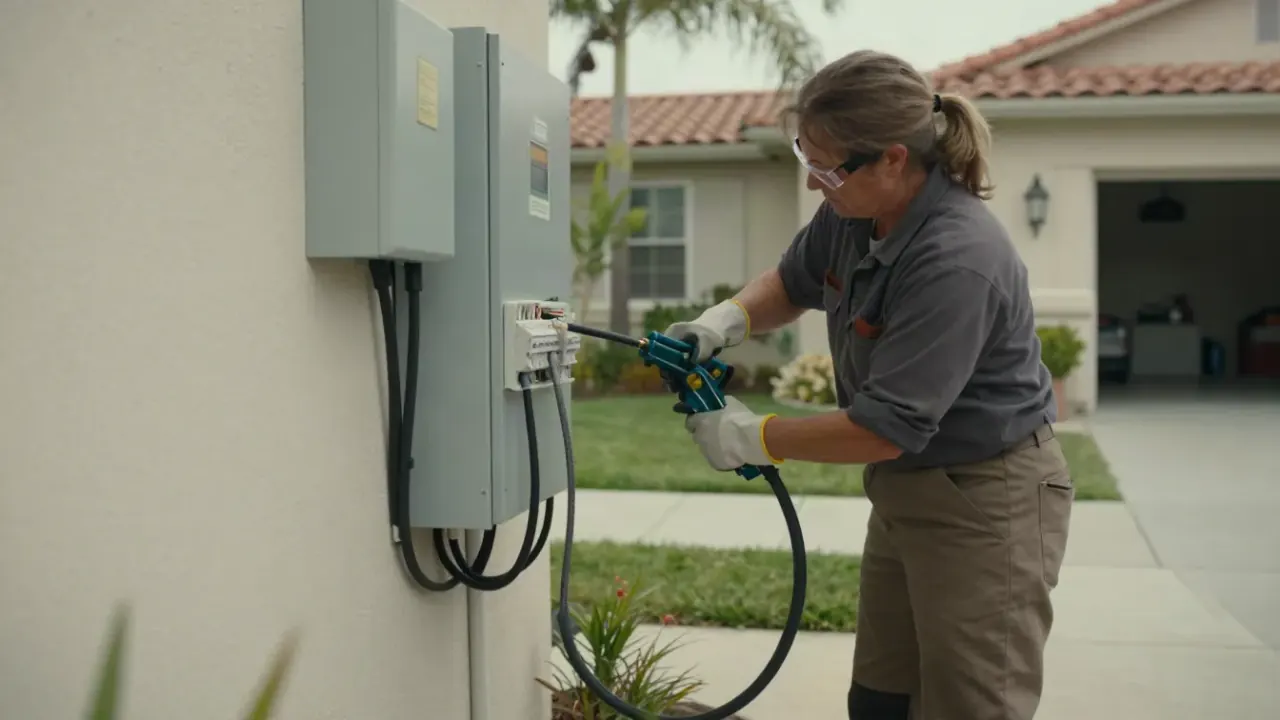
Our Tesla Wall Connector Installation Redondo Beach CA scope covers the electrical work, the permit and the commissioning. You buy the Wall Connector; we handle everything from the panel to the first charge. If the job needs a subpanel, trenching or a panel upgrade, we price that separately before work begins.
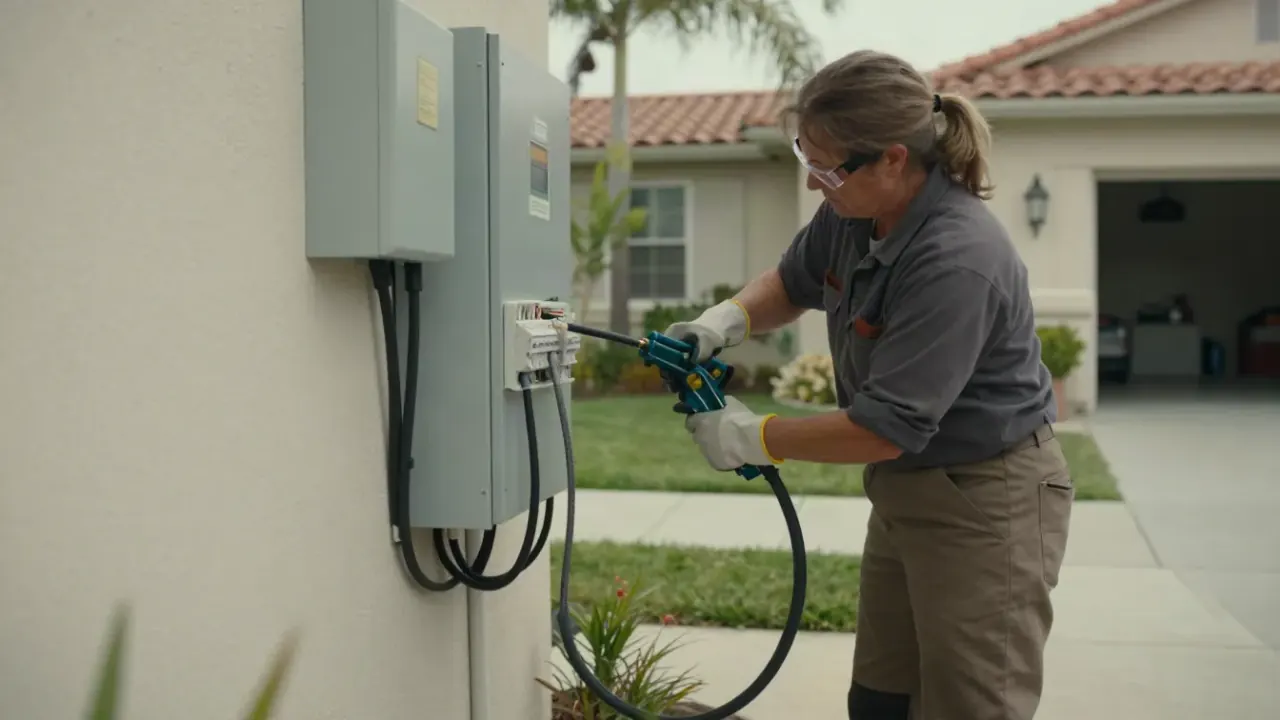
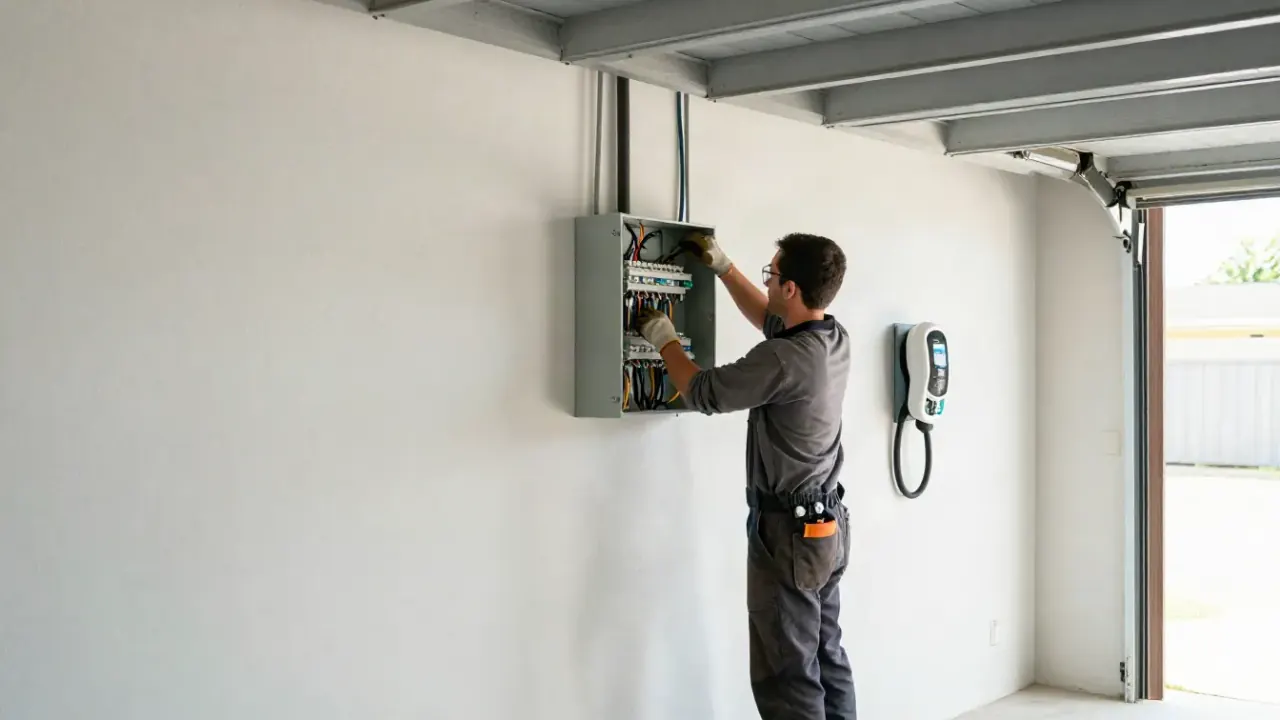
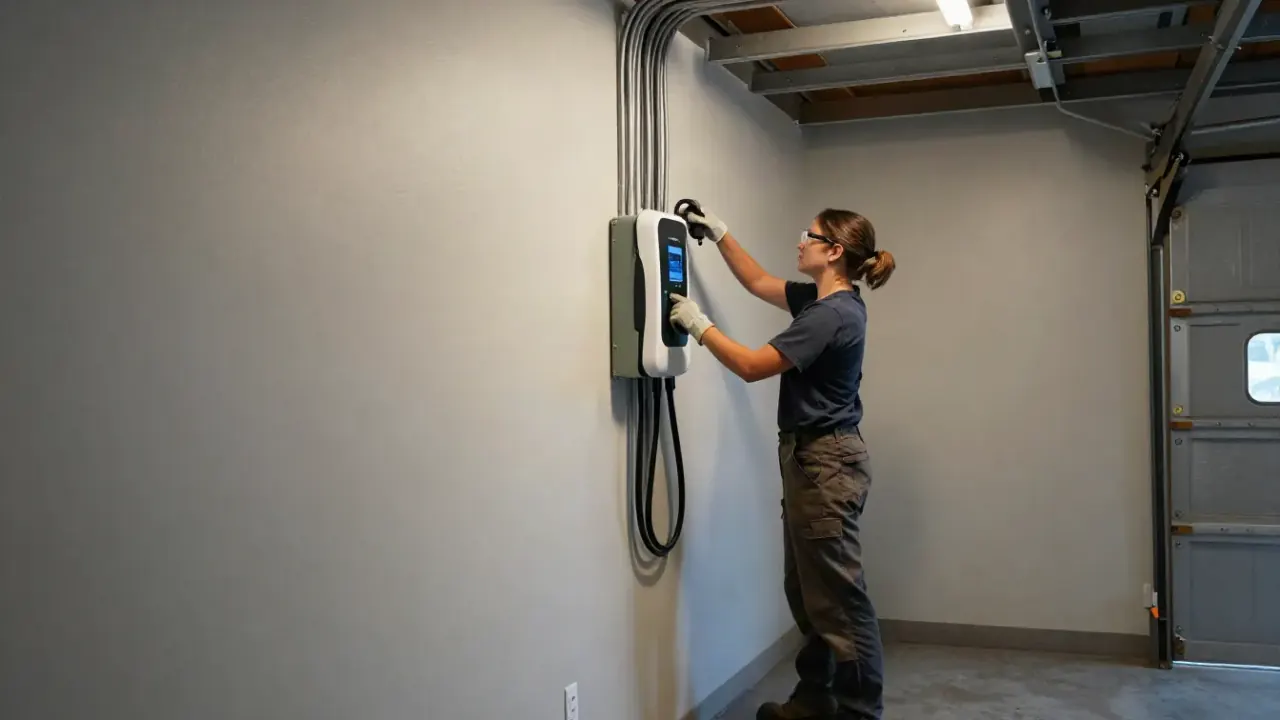
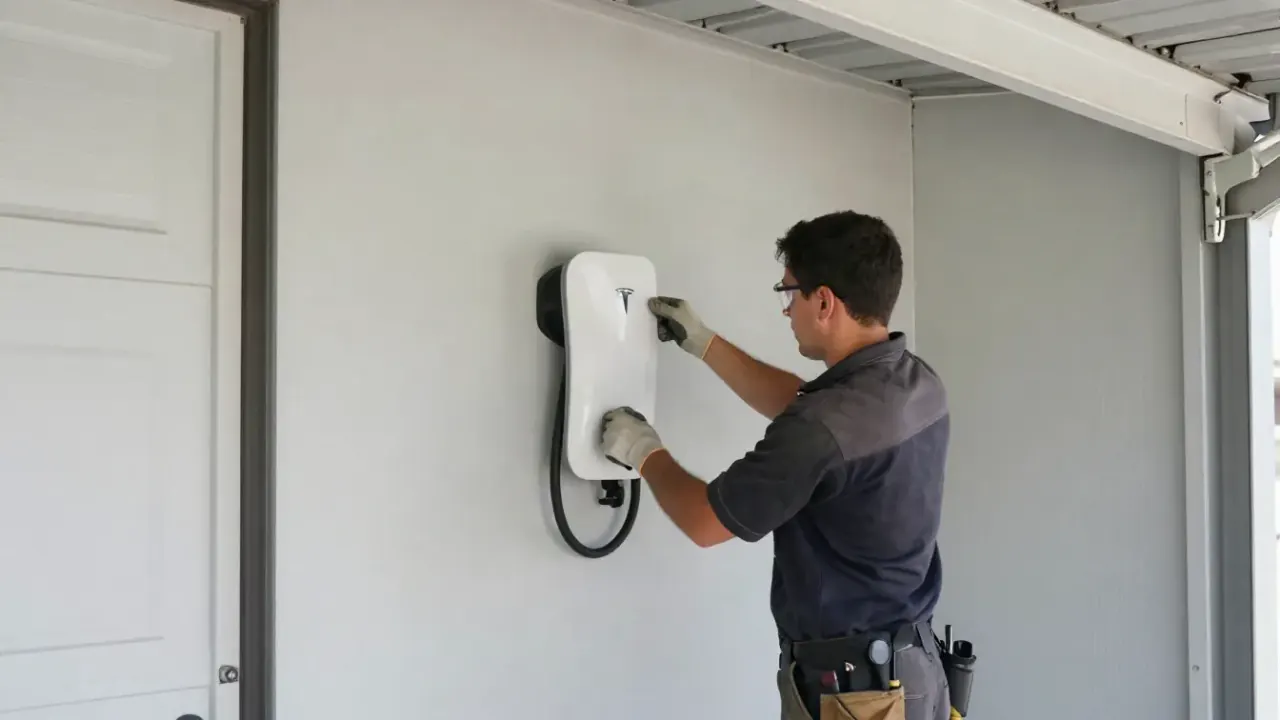
We mount the Wall Connector where your car actually parks and run a dedicated circuit from your panel. You get a clean conduit run, a tested charger and a walkthrough before we leave.
We install and service charging for apartment buildings, offices and retail lots across the South Bay. Load management and dedicated circuits are planned around your existing service.
Tesla Wall Connector Installation Redondo Beach CA means mounting a Tesla Wall Connector on a wall or pedestal, running a dedicated 240V circuit from your electrical panel, and terminating it with the correct breaker and conductor size. The Wall Connector is a hardwired Level 2 EV charger, so it does not use a NEMA 14-50 outlet. We pull 6 AWG copper wire for longer runs and 8 AWG copper wire for shorter ones, set the 240V circuit breaker to match the unit's amperage setting, and torque every lug with a torque screwdriver so the connection does not loosen over time.
Most Redondo Beach drivers charge overnight in a garage, but plenty of homes here have detached garages, alley parking, or a driveway off a narrow street. That is where a Tesla Wall Connector installer Redondo Beach homeowners call will run conduit, set a junction box, and mount an EV charger holster so the cable does not drape across the floor. If your panel is already full, we can talk through a subpanel or a load assessment before you buy equipment. That is also why so many people search for Tesla Wall Connector installation near me Redondo Beach after their first quote comes back vague.
A Wall Connector is only as good as the circuit behind it.
Five steps from first call to first charge. Most Redondo Beach jobs are finished in a single day once the permit is in hand.
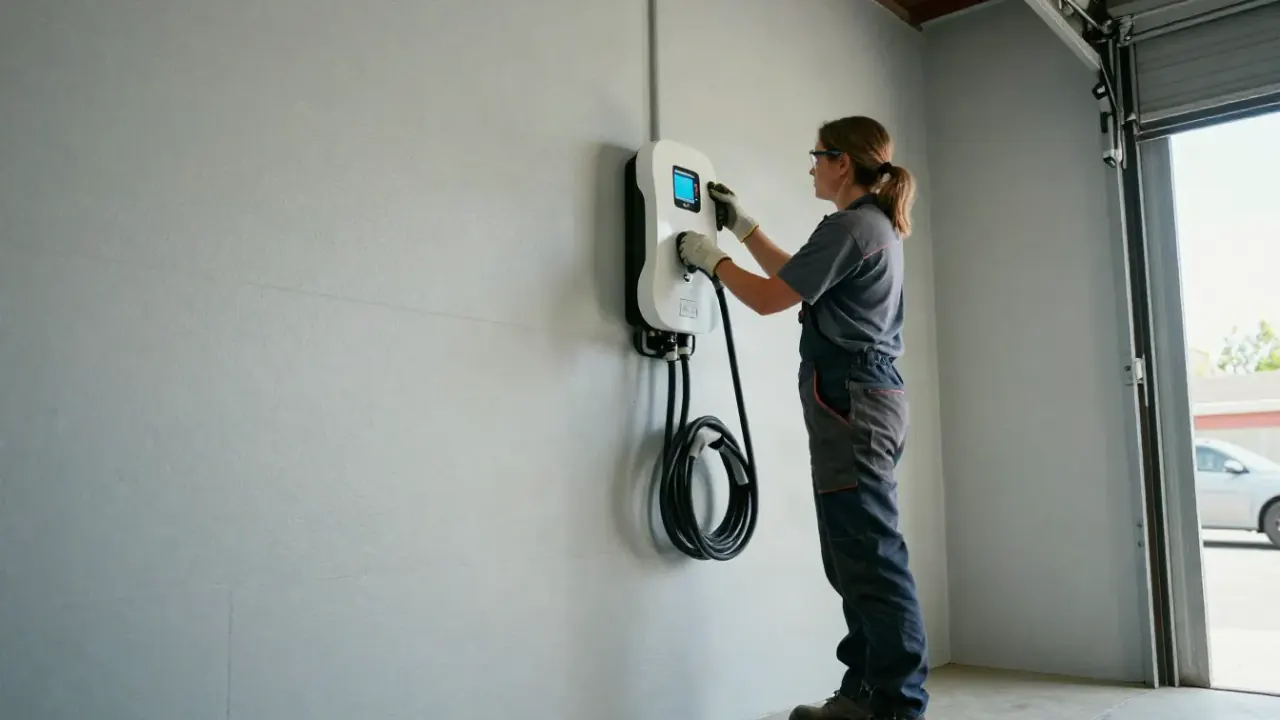
We ask for your Tesla model, the year your home was built, and a photo of your electrical panel with the door open. That tells us the panel brand, available spaces, and whether a load calculation is needed. You get a realistic range before anyone drives out.
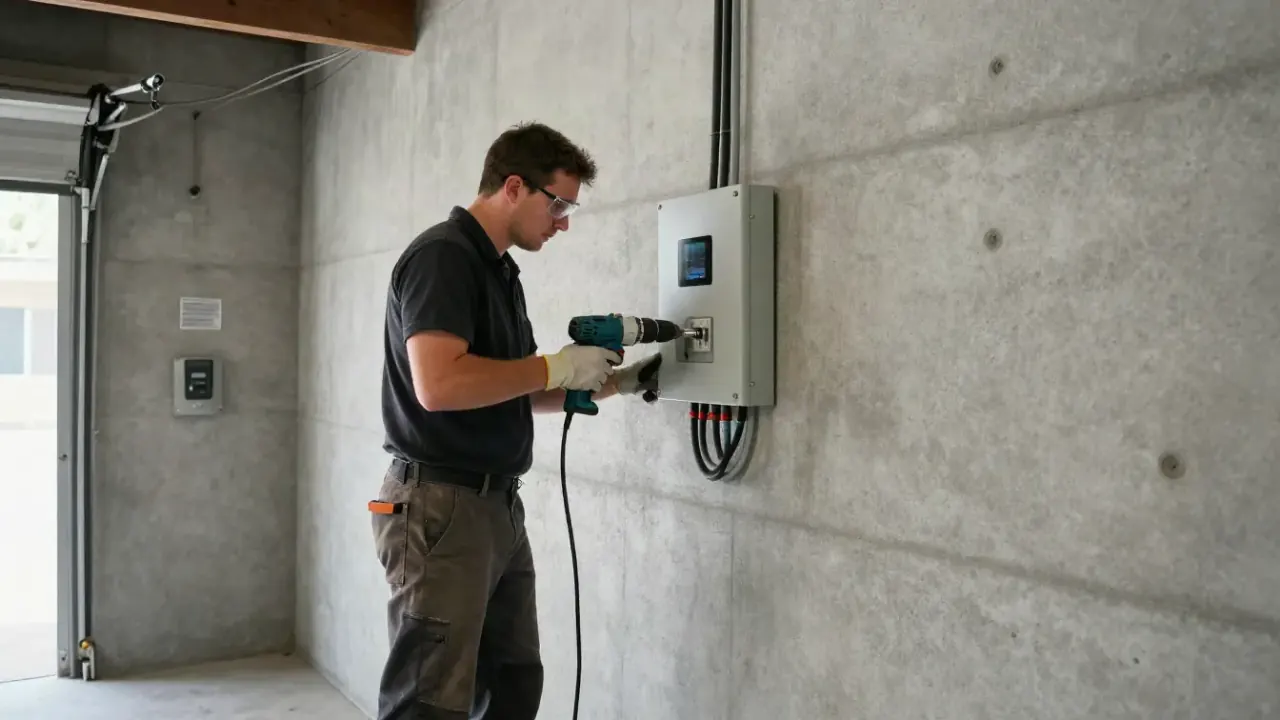
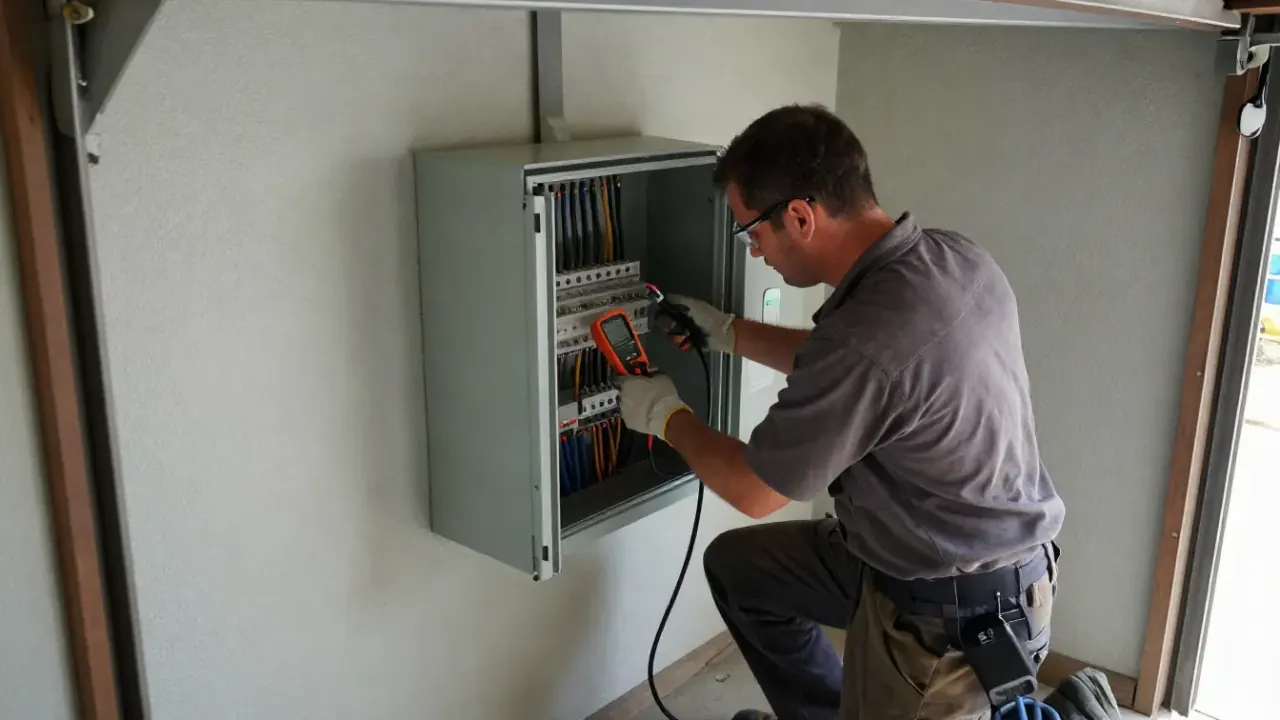
A technician confirms panel capacity, measures the run from panel to parking spot, and checks for obstructions in the attic, crawlspace or wall cavity. We note whether the circuit needs a GFCI breaker, a subpanel, or a longer conduit path. This visit takes 30 to 45 minutes.
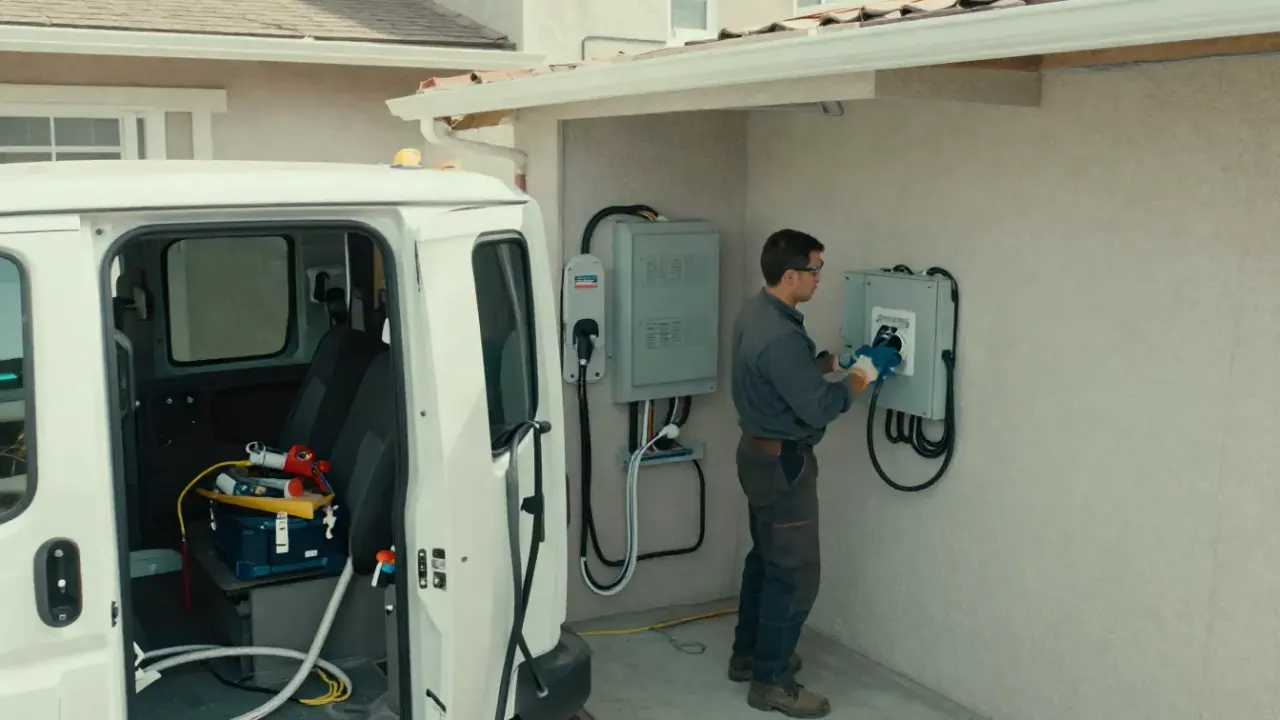
We file the electrical permit with the local authority and schedule the install. If your HOA requires paperwork for a condo or townhome charger, we provide the scope and equipment specs they ask for. Typical permit turnaround in Los Angeles County runs three to seven business days.
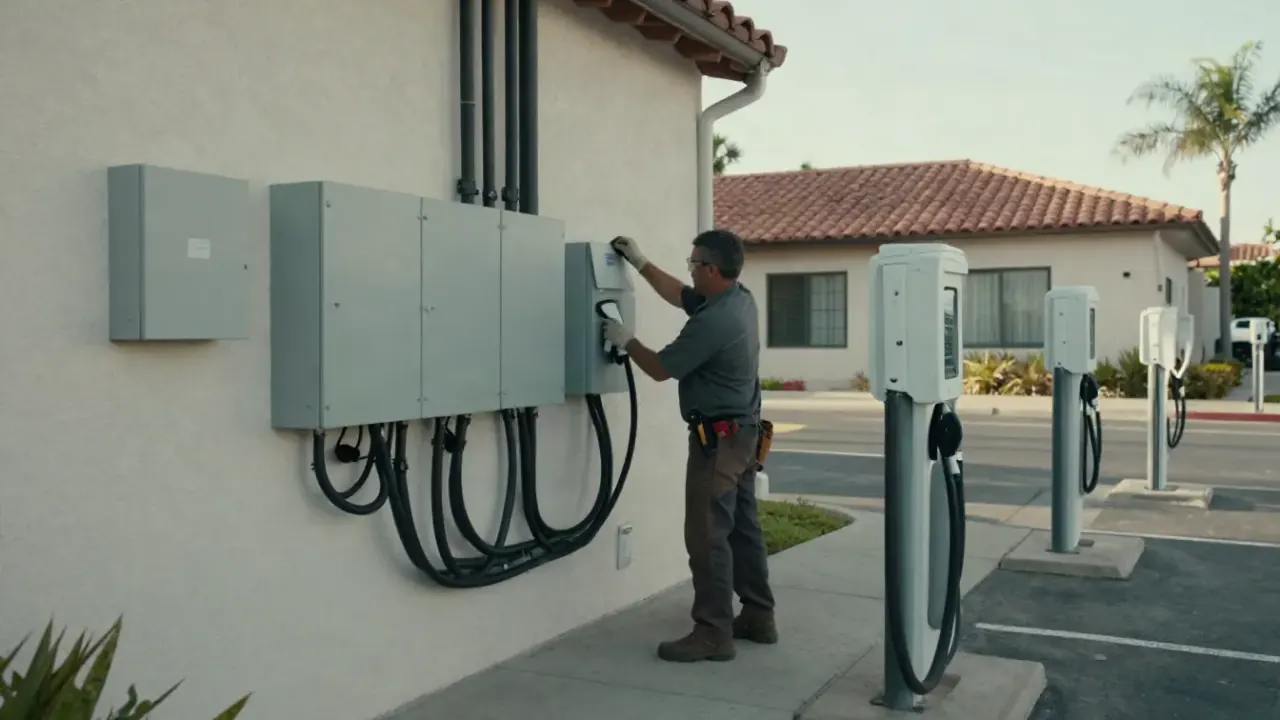
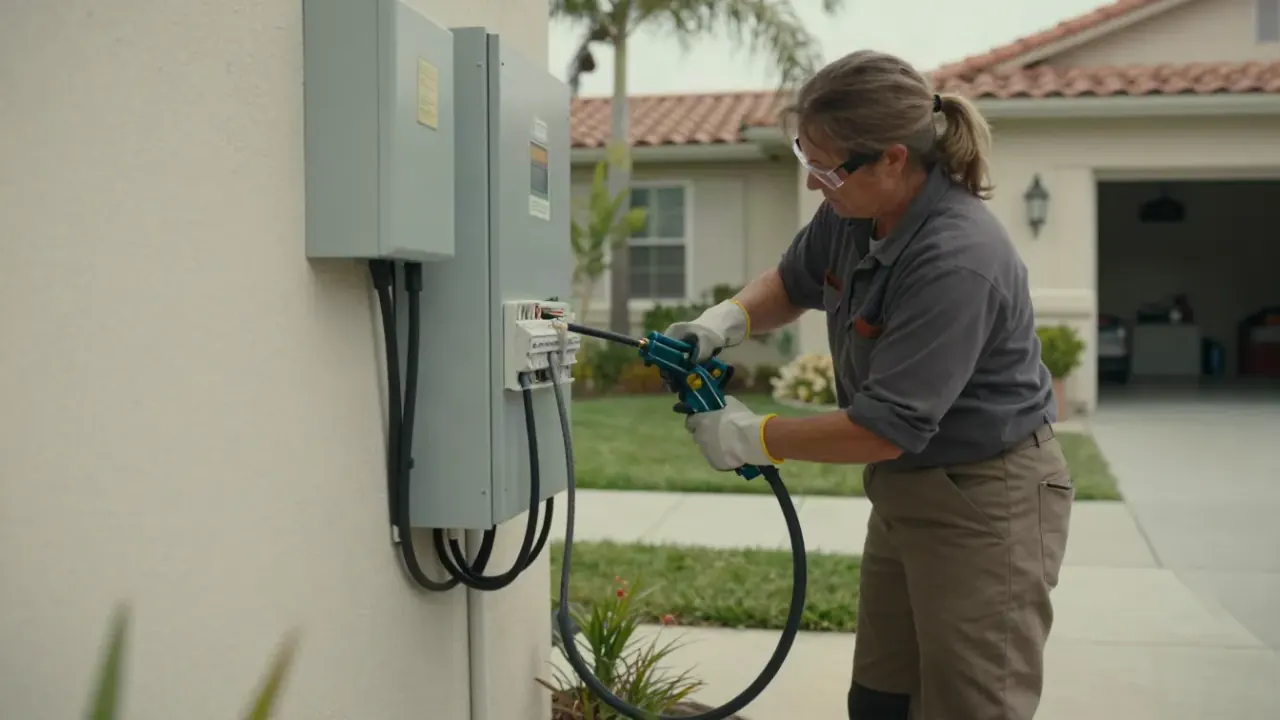
We shut off the main, install the 240V circuit breaker, run conduit and conductors, mount the Wall Connector, and terminate all connections to torque spec. Expect two to four hours for a straightforward garage install, longer if we are trenching or running a long conduit path.
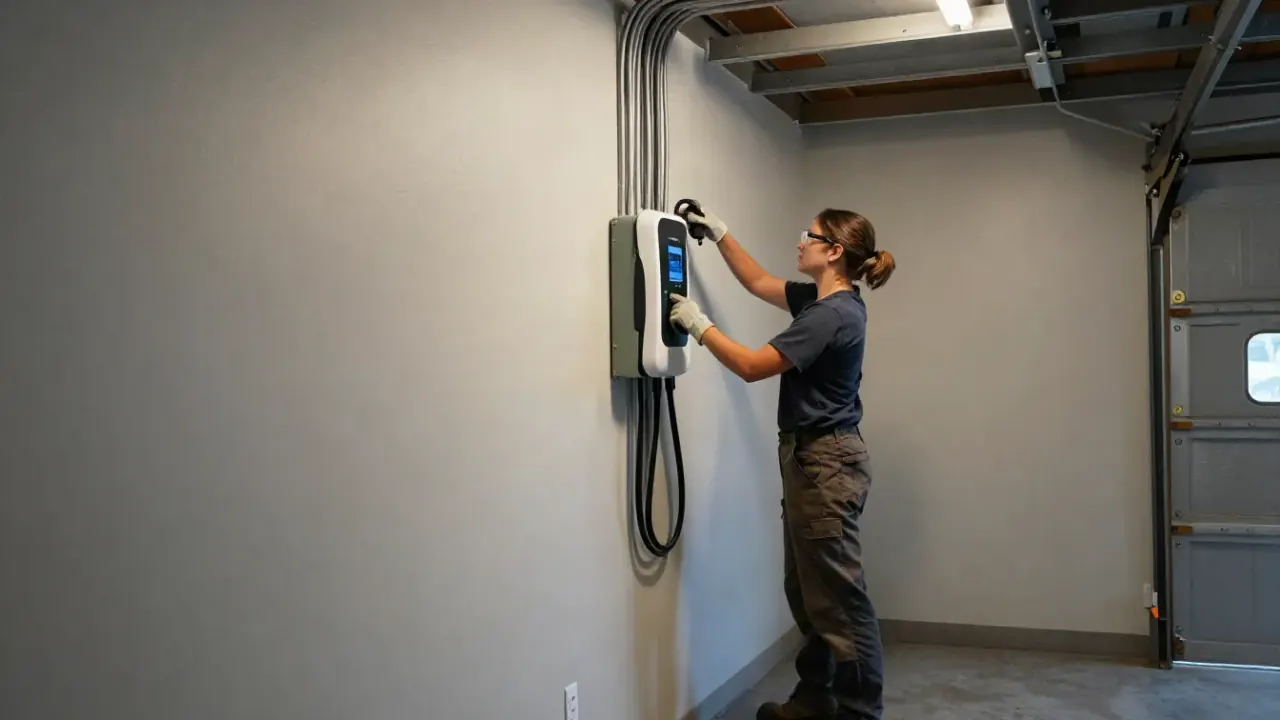
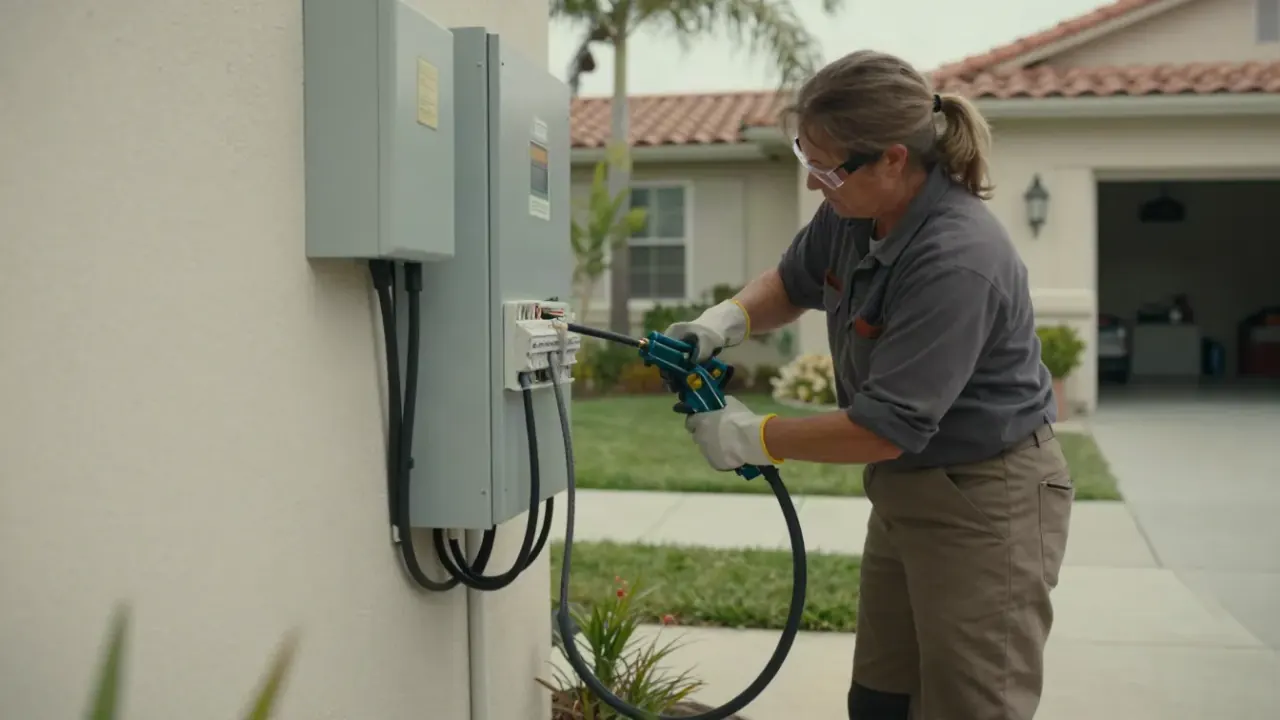
We power the circuit, verify voltage with a multimeter, pair the charger to your Tesla, and run a live charging session. You get a walkthrough of the breaker location, the amperage setting, and how to reset the unit if it ever faults. We do not leave until the car is charging.
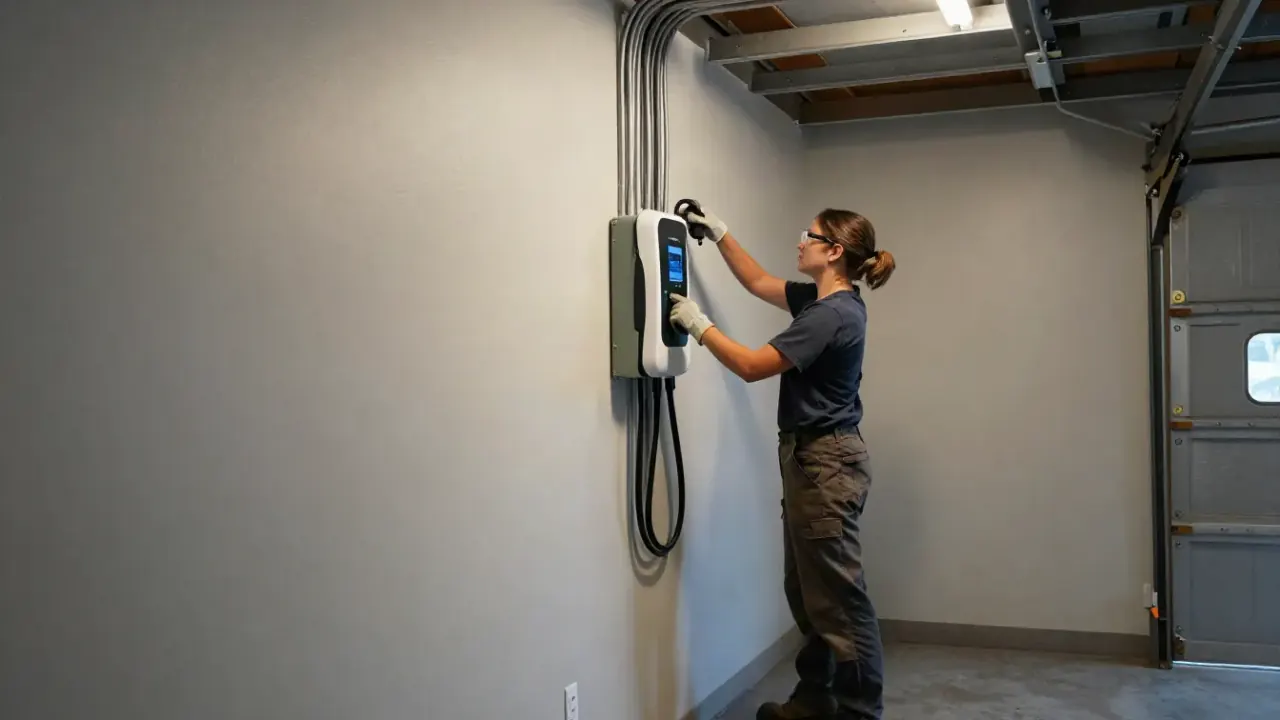
Used to tighten every lug and terminal to the manufacturer's specified inch-pound value. Loose wiring connections are a leading cause of overheating charger symptoms and intermittent faults.
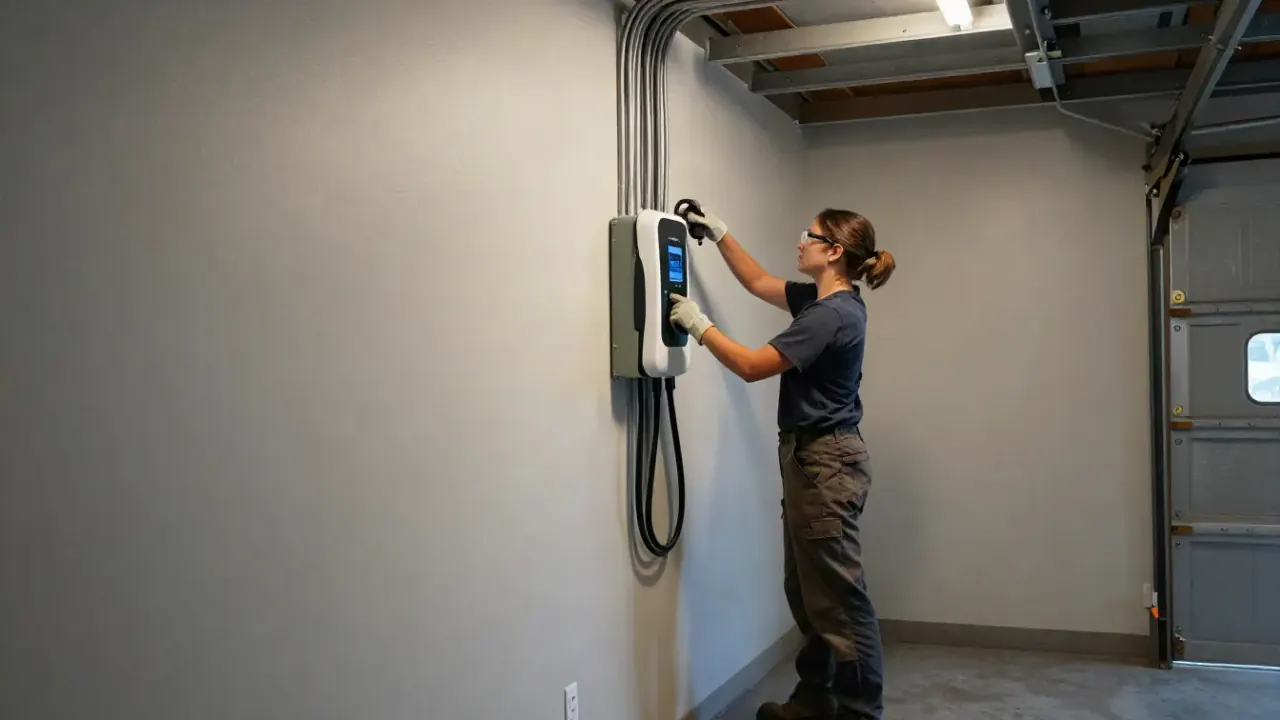
Verifies line voltage, ground continuity and voltage drop under load. We test before and after commissioning so you know the circuit is delivering what the Wall Connector needs.
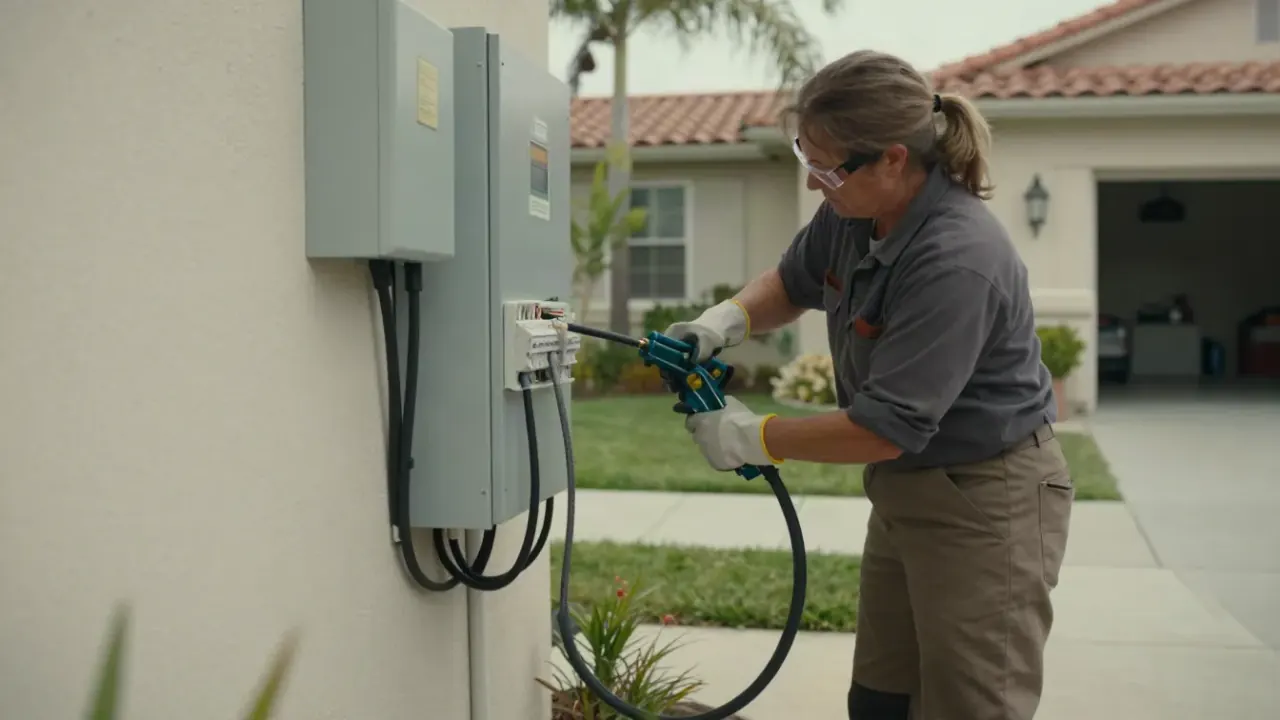
Cuts and strips 6 AWG and 8 AWG copper wire cleanly without nicking the conductor. A nicked strand creates a hot spot and a future failure point.
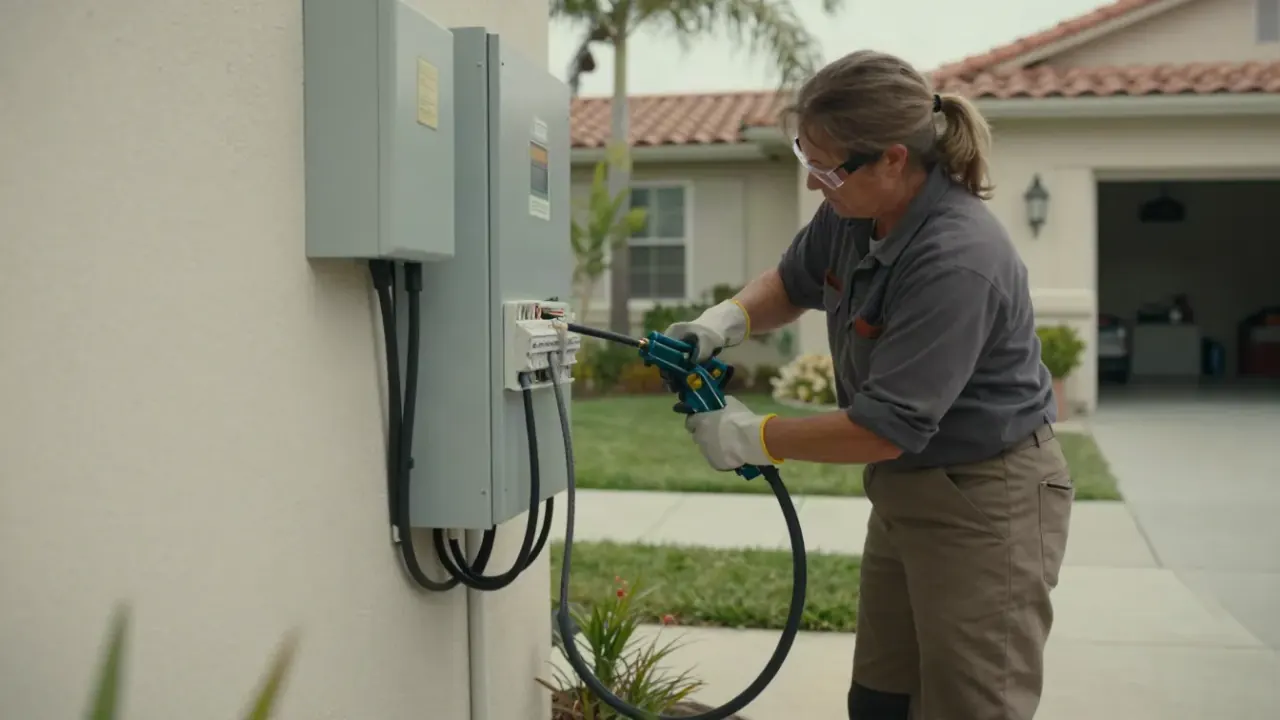
Protects conductors where they enter boxes and the charger, and shields the run from physical damage. Required by code for exposed runs in garages and along exterior walls.
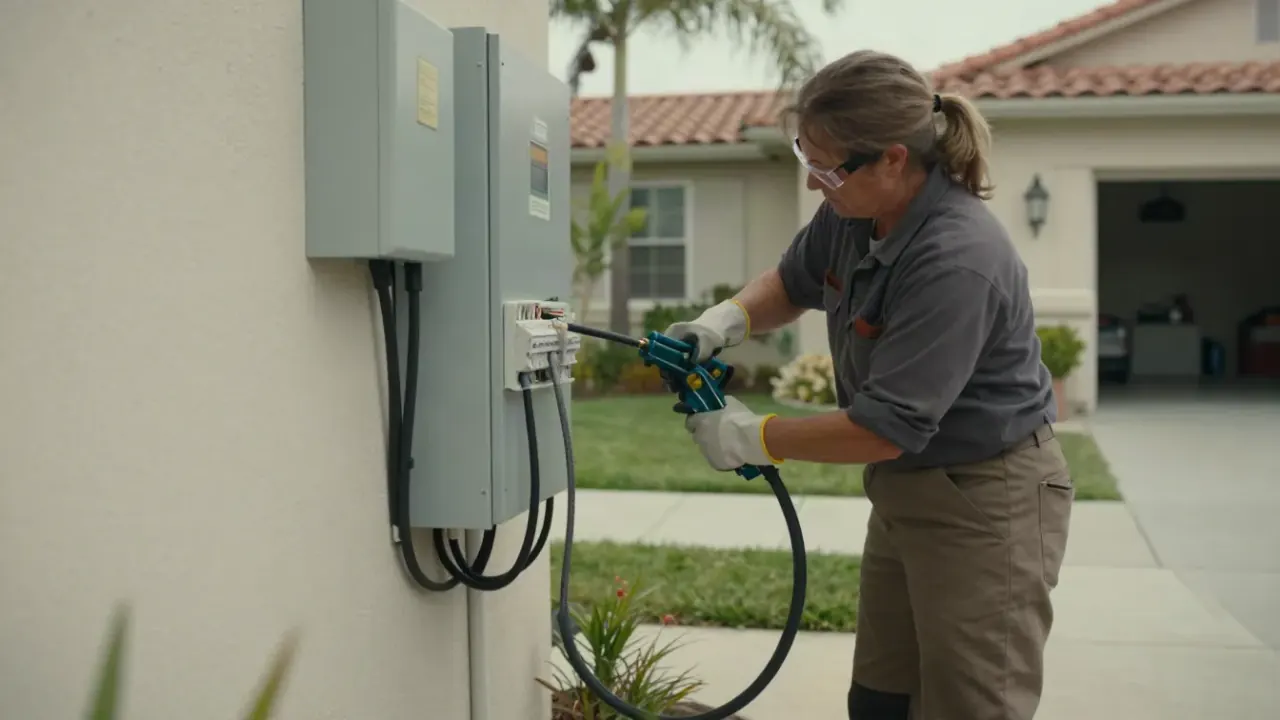
Secures the Wall Connector to the wall at the correct height and keeps it level. We pair it with an EV charger holster so the cable stays off the floor.
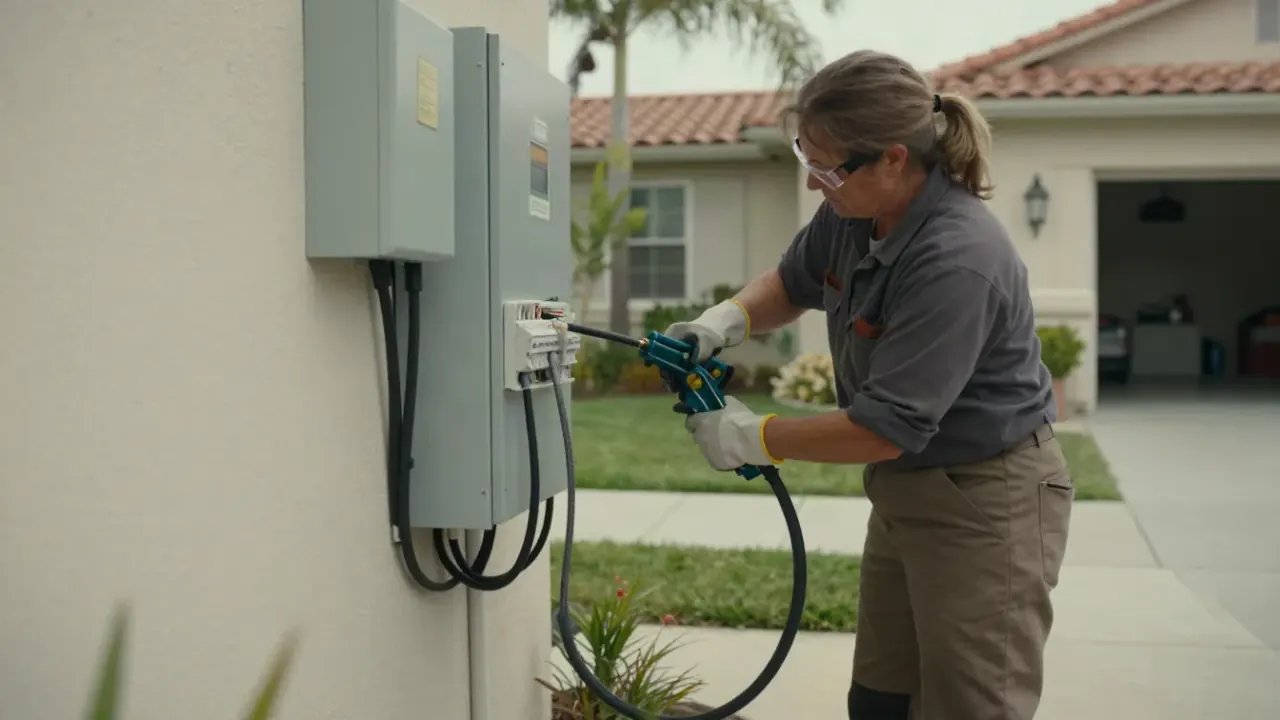
Protects the dedicated circuit and matches the charger's amperage setting. We select the breaker type based on the unit's requirements and the panel brand, including Siemens, Schneider Electric and Leviton panels.
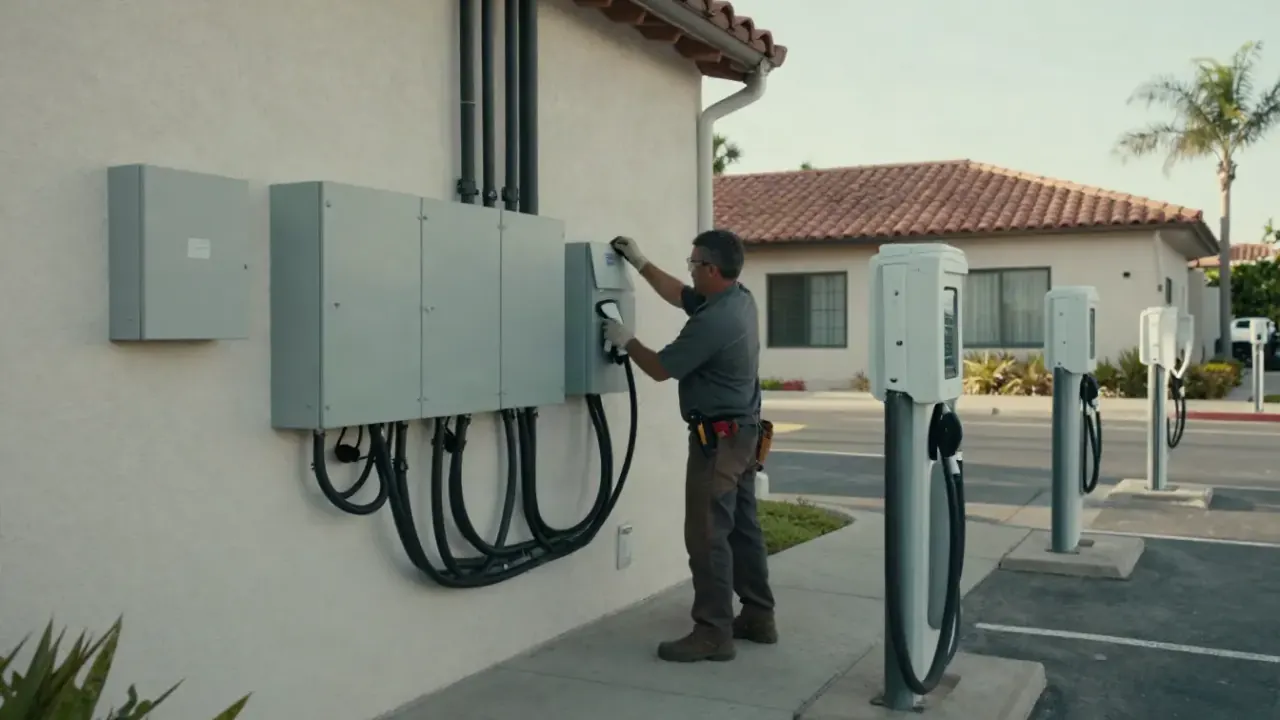
This is the code section covering EV charging equipment and installation. We follow it for conductor sizing, disconnects, ventilation and protection, so your installation is code-correct and passes inspection the first time.
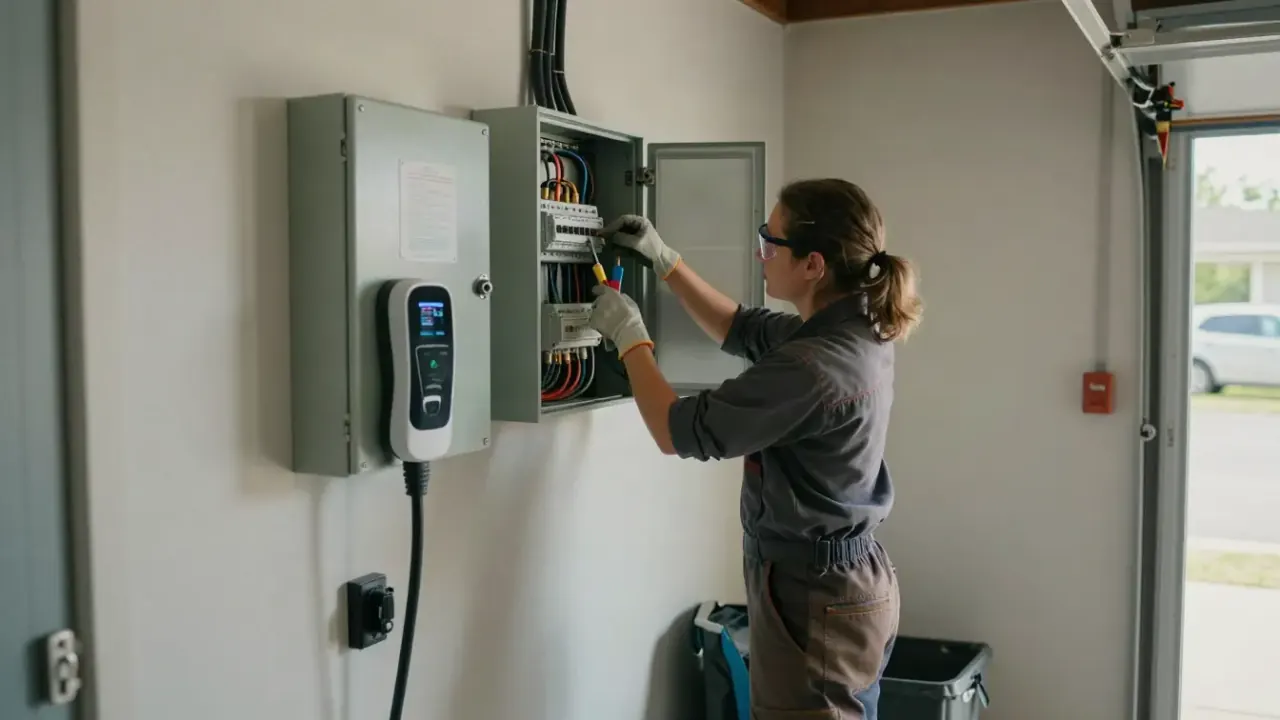
Before adding a 60-amp breaker, we calculate the existing load on your service. This prevents breaker overload and tells us whether a subpanel or service upgrade is needed. We show you the numbers rather than guessing.
We install a hardwired Wall Connector on a dedicated 240V circuit so you charge at full amperage overnight. The job is usually one day once the permit clears, and we handle the paperwork. You wake up to a full battery every morning instead of planning around a slow trickle charge.
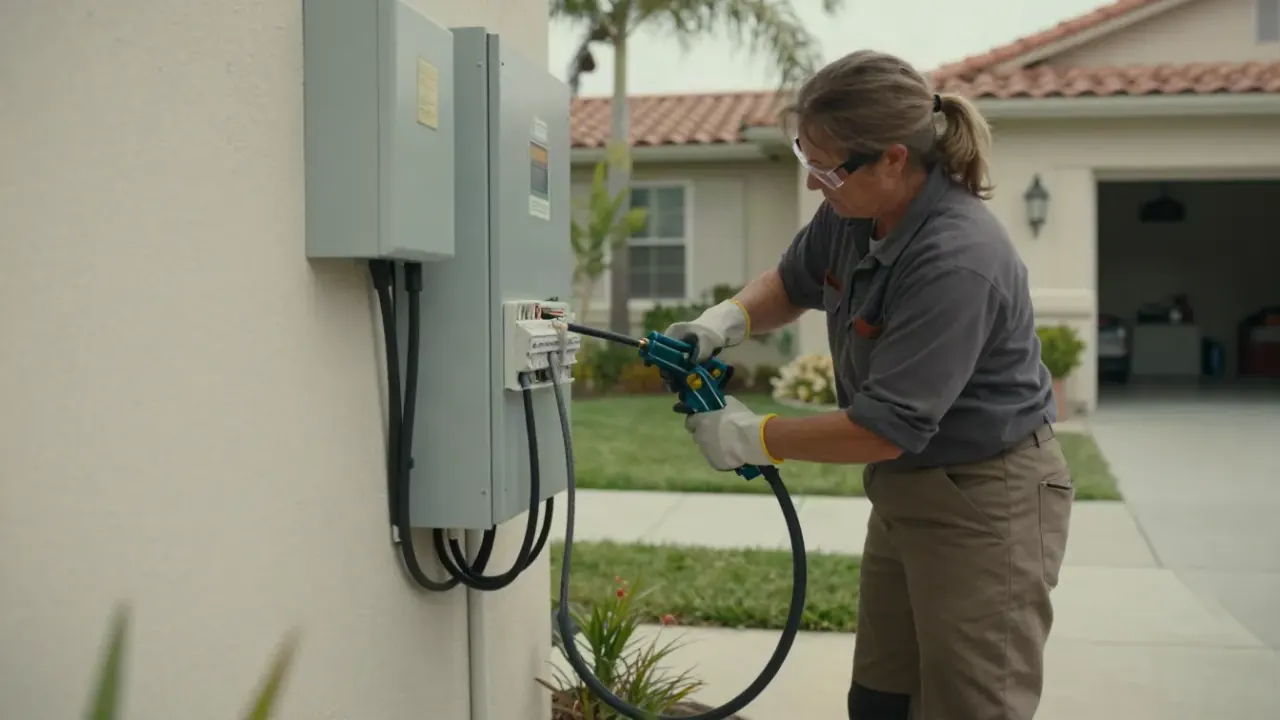
We assess the run from the main panel, run conduit to the garage, set a junction box if needed, and mount the Wall Connector inside. We check for voltage drop on longer runs and upsize conductors when required. A clean, code-correct circuit in the garage with the charger mounted where the car actually parks.
We provide equipment specs, a scope of work and load information your board asks for, then install on your assigned space with a holster and proper conduit routing. Approval moves forward and the install happens without drama or repeated board meetings.
We diagnose the circuit with a multimeter, check torque on every termination, verify conductor size and breaker rating, and correct what was done wrong. We do not replace parts that are working. Reliable charging and a circuit that passes inspection if you ever sell the home.
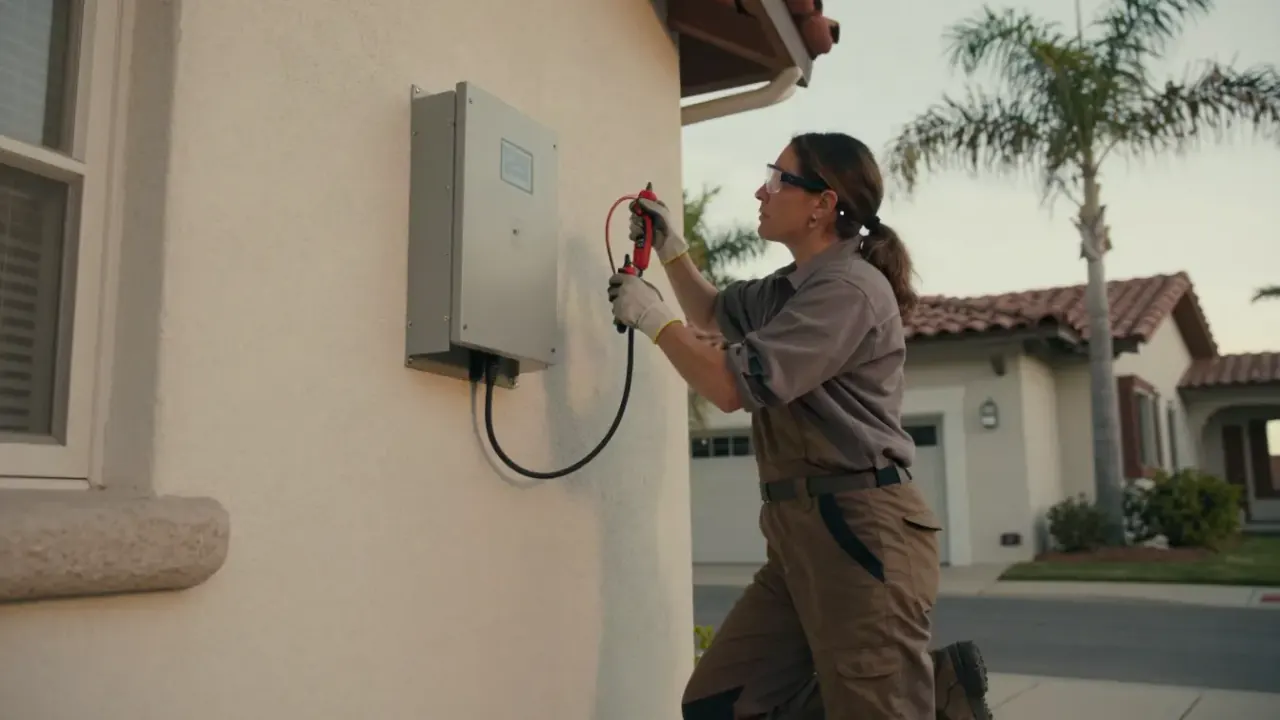
Redondo Beach housing stock ranges from 1950s tract homes in North Redondo to older beach bungalows in South Redondo and newer townhomes near Riviera Village. Many of those older homes still run 100-amp service, which is why a load calculation matters before we add a 60-amp charger circuit. Coastal air is mild, so outdoor mounting is not a problem, but salt exposure near the beach means we check terminals and mounting hardware at the one-year mark. Detached garages and alley parking are common, so conduit runs of 30 to 60 feet are normal, and we upsize to 6 AWG copper wire when voltage drop demands it. If you need Tesla charging station installation in South Redondo, we have run conduit through stucco, along fence lines and under eaves to reach a parking spot without tearing up landscaping. Permits go through the local authority and inspections are typically scheduled within a week of completion.
A homeowner with a 100-amp panel and no open breaker spaces was charging on a standard 120V outlet, adding about four miles of range per hour. A previous installer told them a full service upgrade was the only option.
We ran a load calculation, installed a subpanel fed from the main service, and landed a dedicated 60-amp circuit for the Wall Connector. The car now charges at 48 amps, roughly 44 miles of range per hour, on the original service.
Check the subpanel breaker monthly for heat or discoloration, and have terminations re-torqued at the two-year mark. Keep the area around the panel clear of storage.
A South Redondo home had the main panel on the front wall and a detached garage at the back of the lot, roughly 55 feet away. The homeowner was worried about voltage drop and whether the charger would fault under load.
We ran 6 AWG copper wire in conduit along the fence line, set a junction box at the garage, and mounted the Wall Connector inside. Voltage at the charger under load measured within spec, and the unit has run without faults.
Inspect the exterior conduit annually for cracks or loose straps, and check the junction box cover for moisture after heavy winter rain.
A condo owner in Riviera Village had a Wall Connector installed by a previous contractor that tripped the GFCI breaker two or three times a week. The unit would stop charging overnight and the car was often at 40 percent in the morning.
We found a loose neutral termination and a breaker mismatched to the charger's requirements. We corrected the wiring, replaced the breaker, re-torqued all lugs, and ran a live test. No faults in the months since.
Test the charger monthly with a full charging session and note any fault codes. If the breaker trips again, stop using the circuit and call for a diagnostic before resetting repeatedly.
Most charger problems trace back to the circuit, not the unit. Here are the issues we see most often and how we fix them.
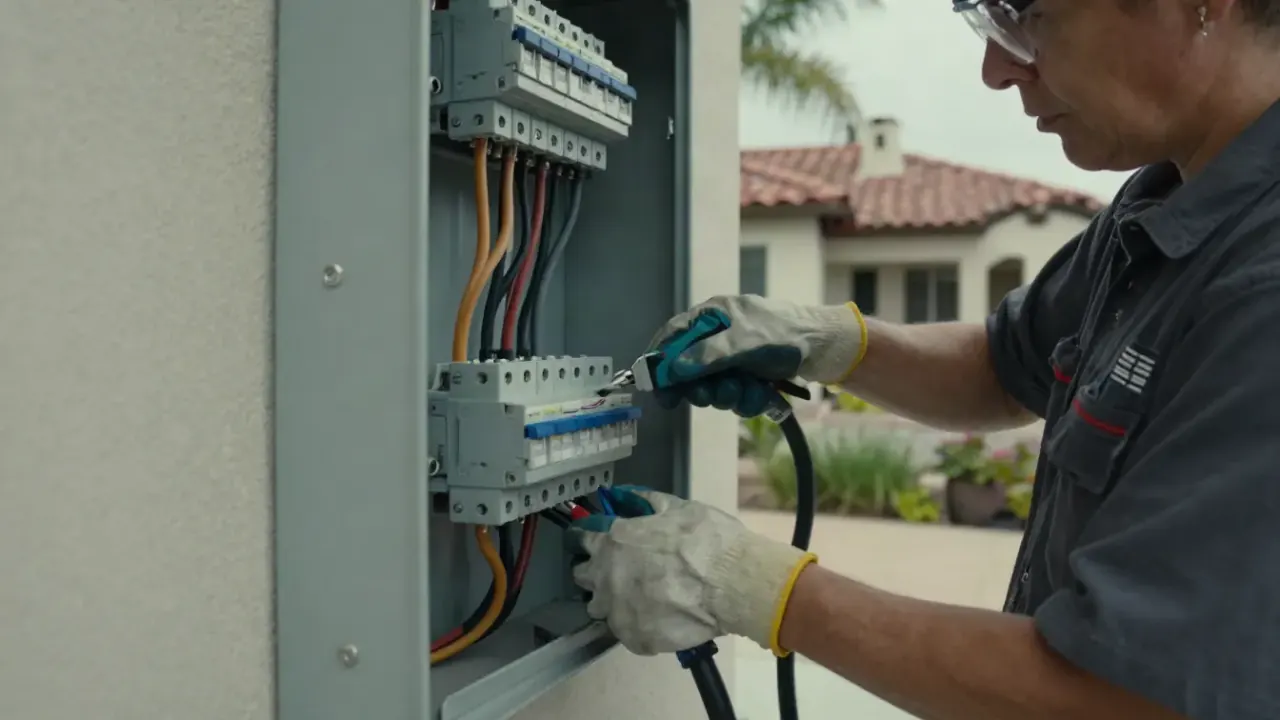
We run a load calculation and either consolidate existing circuits, install a subpanel, or recommend a service upgrade. In many North Redondo homes, a subpanel is the cleanest path to a dedicated 60-amp charger circuit without touching the main service. You cannot add a 240V circuit without removing something else, and doubling up breakers causes overload and nuisance tripping.
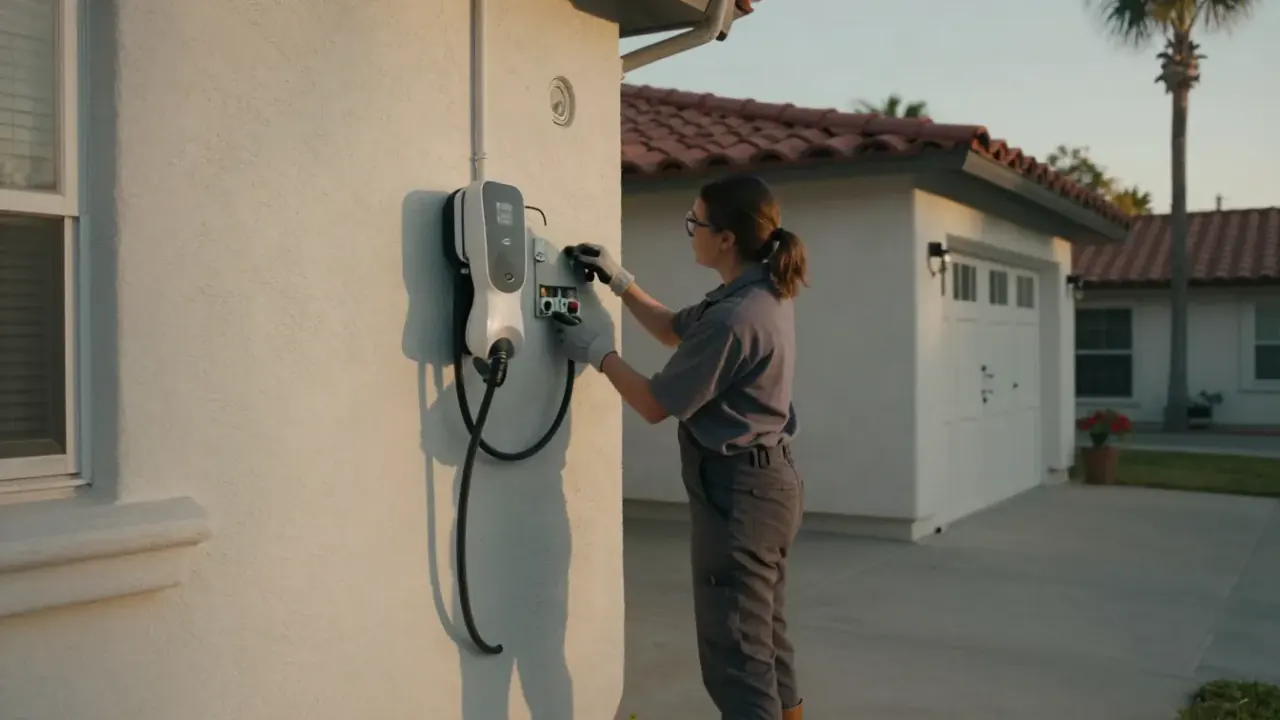
We inspect the circuit for ground faults, check the breaker type against the charger's requirements, and verify terminations. Sometimes the fix is a different breaker; sometimes it is correcting a wiring error from a previous install. Charging stops mid-session, often overnight, and you wake up to a partially charged car. Repeated tripping can also indicate a ground fault in the wiring.
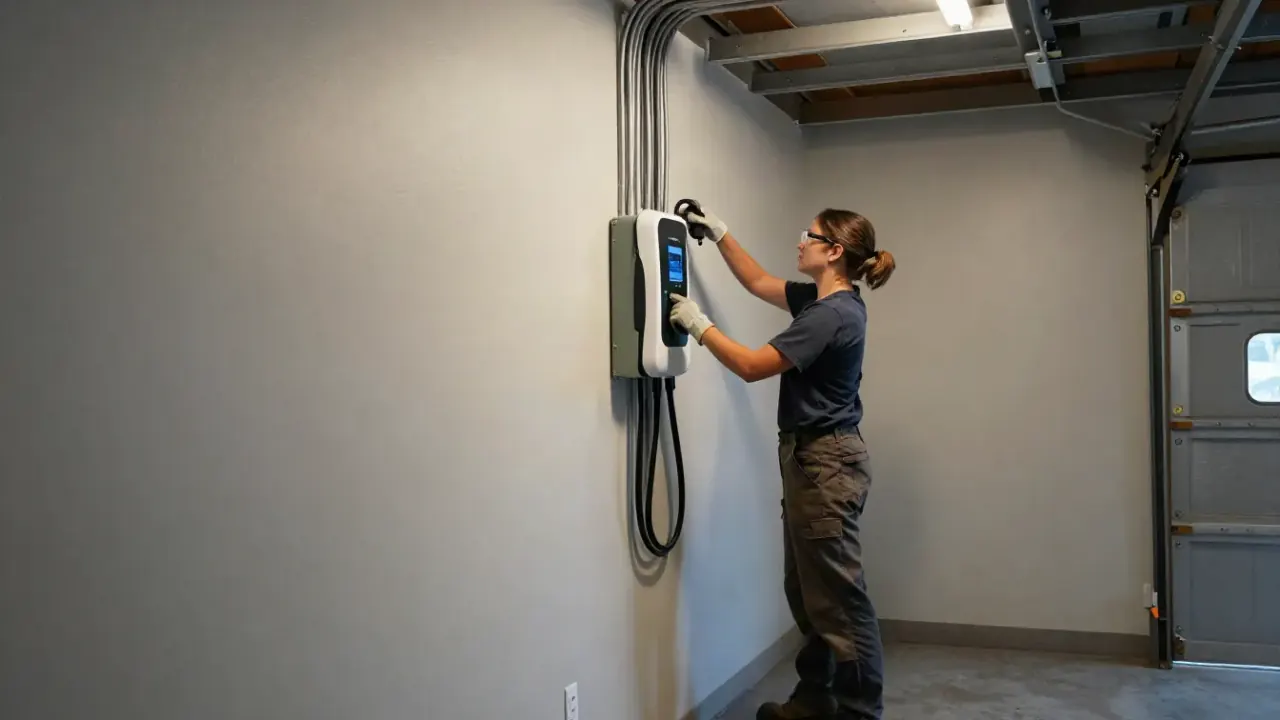
We measure the actual run and upsize to 6 AWG copper wire where the math calls for it. We also verify voltage at the charger under load with a multimeter, so you know the circuit is delivering what the unit needs. The charger derates or faults because the conductor is undersized for the distance, and the unit runs hotter than it should.
We check line voltage, ground continuity and terminal torque, then test with a live charging session. If the unit itself has failed, we tell you that plainly and help you handle the Tesla warranty rather than selling you a replacement you do not need. The car does not start charging, or it stops after a few minutes. This is often a wiring or grounding issue, not a failed Wall Connector.
A hardwired Wall Connector on a 60-amp circuit delivers up to 48 amps to your Tesla, which adds roughly 44 miles of range per hour. That means a full charge from 20 percent to 90 percent overnight, even on a Model X. A plug-in NEMA 14-50 setup usually caps lower and leaves you waiting.
We mount the unit at your preferred height, use an EV charger mounting bracket, and route the cable through a holster so it never touches the garage floor. Conduit and a junction box keep the run tidy whether the panel is on the same wall or across the garage.
We follow NEC Article 625 for EV charging equipment and NEC Article 220 for load calculations, and we use UL Listed components throughout. California Title 24 requirements and local permitting are handled before we energize the circuit, so your installation passes inspection.
Loose wiring connections and undersized conductors cause voltage drop, overheating charger symptoms, and GFCI tripping. We strip and terminate every conductor properly, verify with a multimeter, and confirm the charger communicates with the vehicle before we pack up.
Typical 2026 pricing for a residential Wall Connector install in Redondo Beach runs $1,200 to $2,800, including the dedicated circuit, conduit, breaker, permit and labor. The Wall Connector itself is purchased separately. A short run from a panel in the same garage sits near the low end. Long conduit runs, trenching, a subpanel, or a service upgrade push the number higher. We give you a range after the phone assessment and a firm price after the on-site load check, so there are no surprises once the wall is open.
What your estimate is based on
$1,200 - $2,800 depending on scope You are paying for a code-correct circuit, a permitted installation and a charger that runs at full amperage without nuisance faults. A cheap install that trips breakers or fails inspection costs more to fix than it saved.
Clear records you can keep and share.
Circuit, conduit route and mounting location
Filed and inspection sign-off
Charging session verified before we leave
The Wall Connector is the easy part. The circuit, breaker and panel capacity decide how fast you can actually charge. We check those first.
A 60-amp circuit lets the Wall Connector deliver 48 amps. Smaller breakers work but charge slower. We match the breaker to your panel and your daily driving.
Long runs lose voltage and make the charger run hot. We measure the distance and upsize to 6 AWG copper wire when the math calls for it.
A full panel does not always mean a service upgrade. A load calculation often shows room for a lower amperage setting or a subpanel instead.
Outside these areas? Call and ask, we may still cover you. (310) 294-5464
Most residential jobs in Redondo Beach run $1,200 to $2,800 in 2026, including the dedicated circuit, conduit, breaker, permit and labor. A short run from a panel in the same garage sits near the low end. Long conduit runs, trenching, a subpanel, or a panel upgrade push the number higher. The Wall Connector itself is usually purchased separately.
Yes. The Tesla Wall Connector carries an outdoor rating and handles coastal air fine when mounted correctly. We seal conduit penetrations, use outdoor-rated fittings, and mount the unit above splash height. In salt-air areas near the beach, we check the mounting bracket and terminals at the one-year mark for corrosion and re-torque if needed.
A licensed electrical contractor with EV charging experience should do the work. We hold a CSLB C-10 Electrical License and our techs carry EVITP Certification. We cover North Redondo, South Redondo, Riviera Village, The Avenues, Golden Hills, El Nido and nearby Hermosa Beach, Manhattan Beach, Torrance and Lawndale. Call (310) 294-5464 to schedule.
Yes. The Wall Connector must run on its own dedicated 240V circuit with a matching breaker, per NEC Article 625. Sharing a circuit with a dryer or oven is not allowed and will cause breaker overload. We size the breaker to the charger's amperage setting, typically 60 amps for full 48-amp output, and confirm your panel can carry it.
Call (310) 294-5464 and we will check your panel, confirm the circuit size and give you a straight price before we schedule. Same-week appointments are common, and we handle the permit. If you want your Tesla charging at full speed, let's get it on the calendar.
Call us at (310) 294-5464 or send a note and we will get back to you the same business day. Tell us the car, the charger you want, and where it is going, and we can often give you a ballpark before we drive out. We are in Redondo Beach, California and work Los Angeles County daily.