For homes in The Avenues
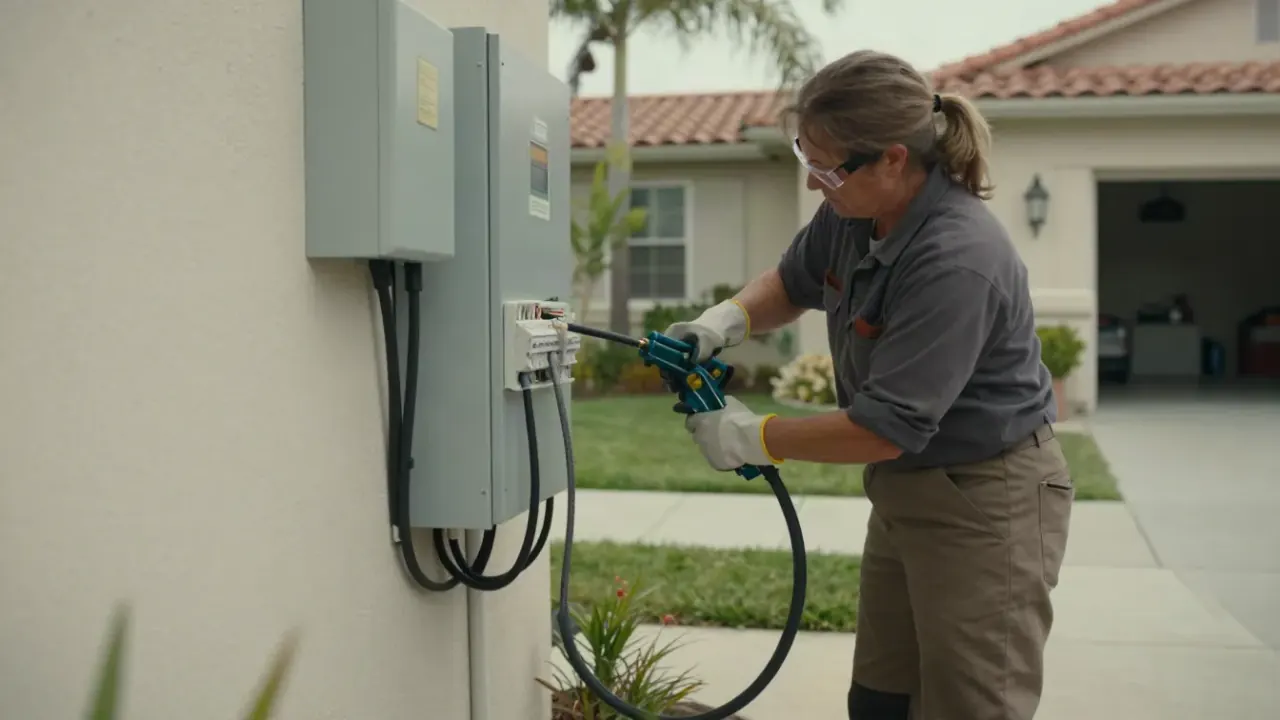
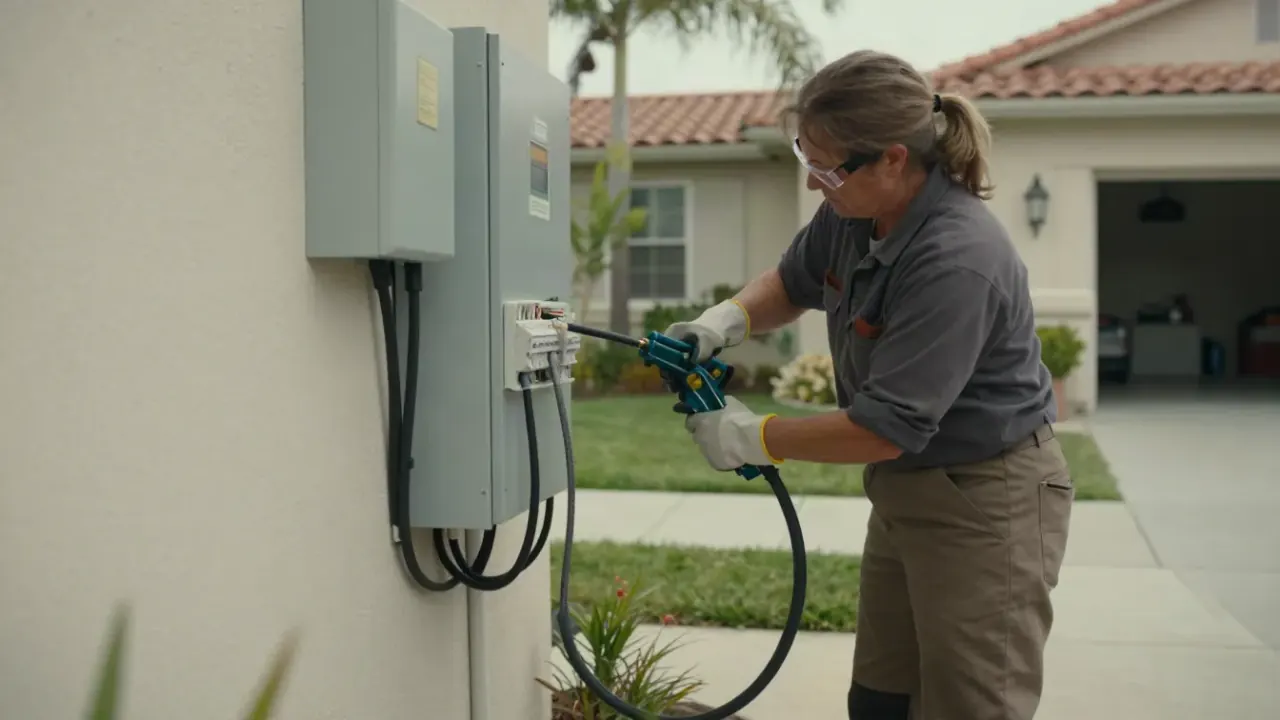
We work on the mix of historic and renovated homes across these blocks. Detached garages and older panels are common, so we plan the run before we drill.
- Detached garages
- 100-amp panels
- Renovated homes
- Shared driveways
EV Charger Installation in The Avenues CA means getting a safe, code-correct 240V line to your garage or carport, and we do it every week on these streets. From Avenue A to Avenue E, we handle panel checks, permits, and Level 2 charger mounting so your car charges overnight. We know the older homes here and the limited panel capacity that comes with them.
Serving The Avenues and nearby
EV Charger Installation in The Avenues CA is electrical work that adds a dedicated 240V charging circuit to a home or business, and it is needed the moment you buy an EV and realize a standard outlet will not keep up. We work The Avenues every week, from Avenue A up through Avenue E, and we know what these blocks look like behind the drywall. The neighborhood is a mix of historic and renovated homes, many with detached garages and panels that were sized long before anyone owned a car that plugged in. That is why our first step is always a load assessment, not a sales pitch. We check your main service, your available breaker spaces, and the actual run distance to where you park. Then we quote a Level 2 setup that fits the house you have. Most Avenues customers land on a 40-amp or 50-amp circuit feeding a Tesla Wall Connector, a ChargePoint Home Flex, or a NEMA 14-50 outlet. We pull the permit, coordinate with the city, and leave you with a labeled panel and a charger that talks to your car.
The Avenues sits in 90277, a family-oriented neighborhood with high EV adoption and a lot of older housing stock. That combination creates steady demand for affordable EV charger installation in The Avenues, because people here are not replacing their panel unless they have to. We serve this area because the work is technical and the houses are not uniform. A 1920s bungalow near Franklin Park has a different electrical reality than a renovated home up on Avenue E. We like that puzzle. We also live and work in the South Bay, so driving over from Redondo Beach City Hall or the Civic Center area takes minutes, not hours.
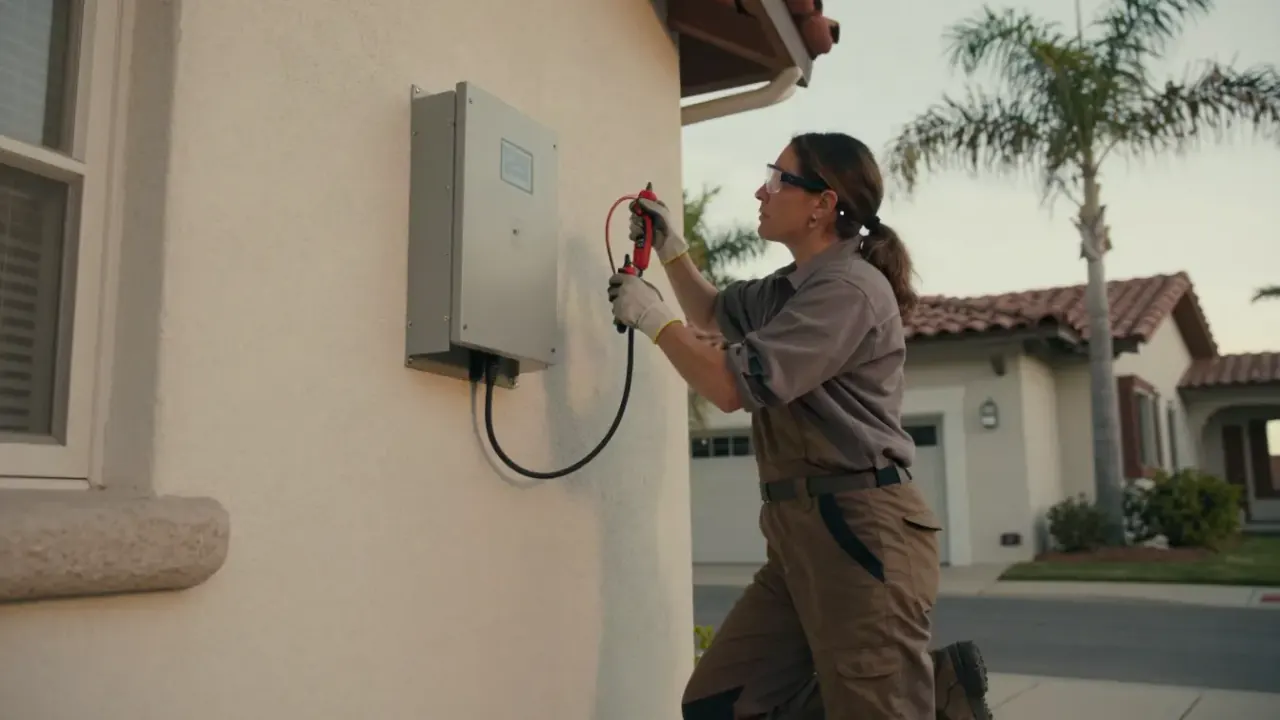
Demand for EV Charger Installation near The Avenues runs from simple NEMA 14-50 outlets in detached garages to full subpanel additions for homes running two EVs. Because so many properties here were built before 240V charging existed, we treat every job as a load problem first and a hardware problem second. If you have been searching for EV Charger Installation in The Avenues CA near me, here is what we actually install on these streets.
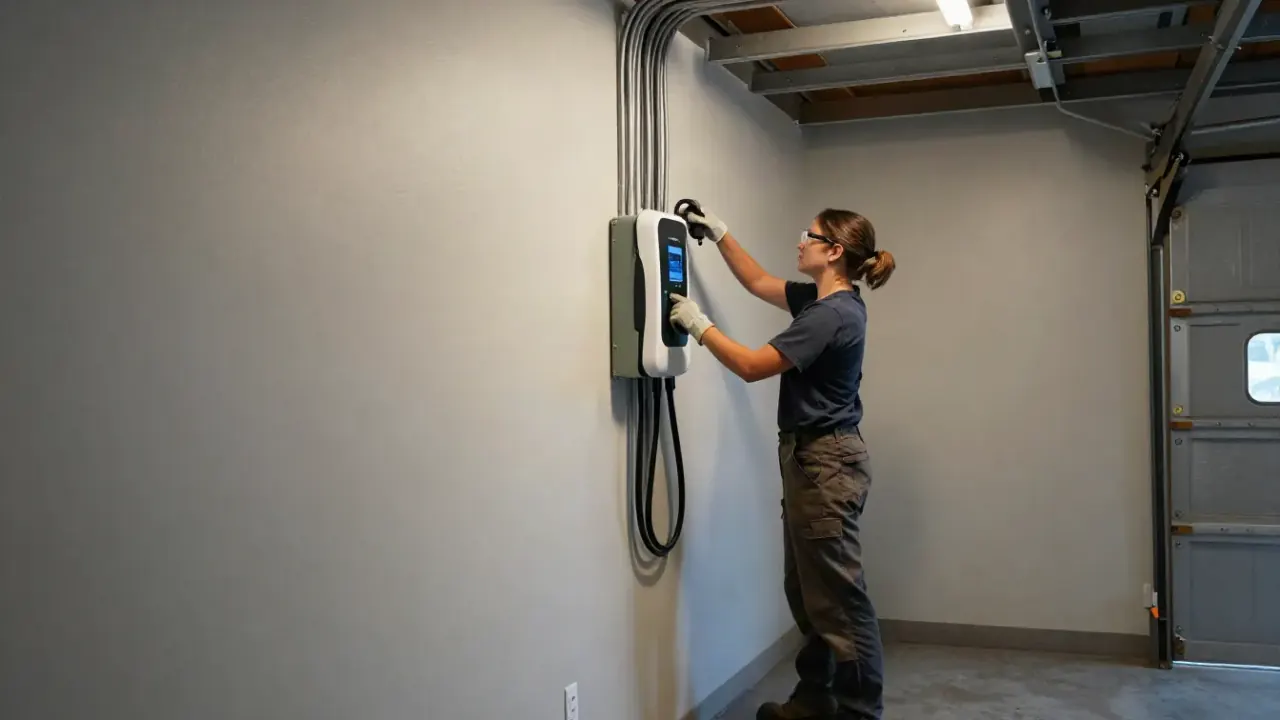 Level 2 Home Charger InstallationMost Avenues homes get a 40-amp or 50-amp Level 2 circuit run from the main panel to a garage or carport wall. We mount the charger at 48 inches to the receptacle, use 6 AWG copper wire for runs over 50 feet, and torque every lug to spec. Detached garages off Avenue D often need a conduit run along the fence line.Tesla Wall Connector InstallationThe Tesla Wall Connector is the most requested unit on these blocks. We set it on a dedicated 60-amp breaker for the full 48-amp output when the panel allows, or dial it down to 40 amps when capacity is tight. We also commission it on your home WiFi so it receives firmware updates and tracks charging history.NEMA 14-50 Outlet InstallationA NEMA 14-50 outlet gives you a universal 240V receptacle that works with the Tesla mobile connector, JuiceBox, and most portable EVSEs. In The Avenues we install these in garages with a GFCI breaker where code requires it, and we use a heavy-duty industrial receptacle rather than the cheap dryer-style outlet that overheats under continuous load.
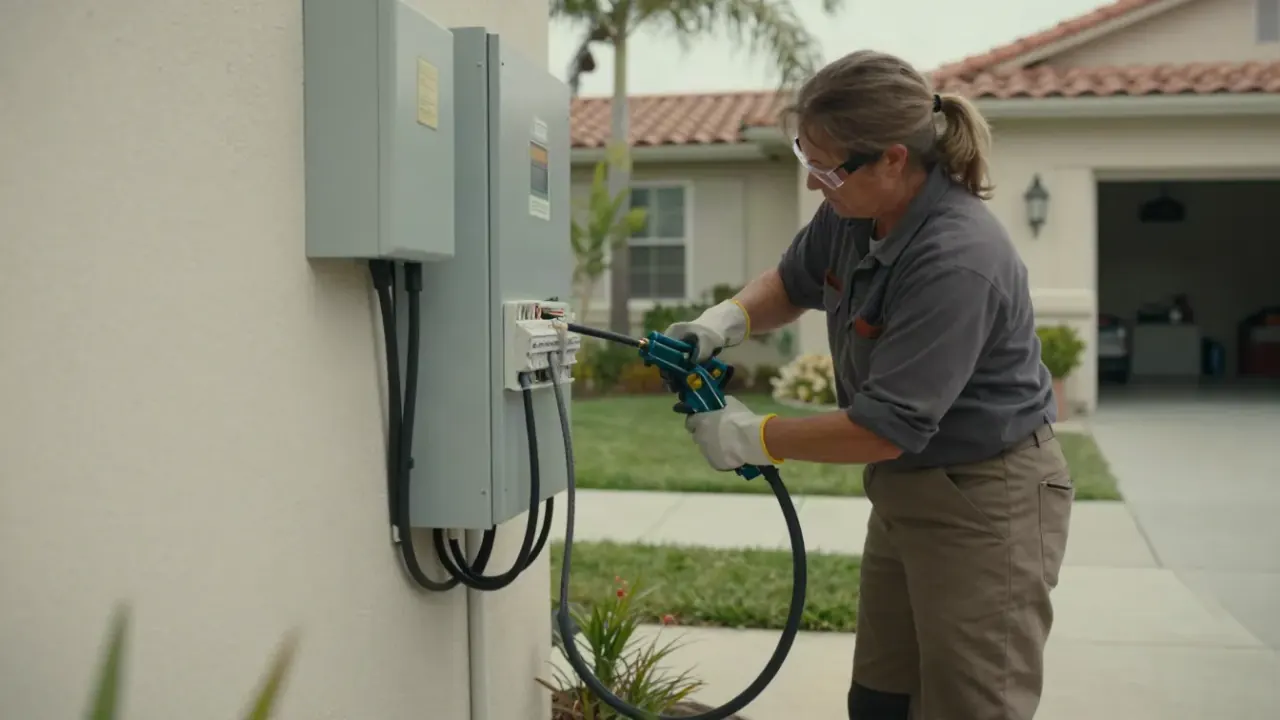 Dedicated 240V Circuit InstallationEvery charger needs its own circuit. We run a dedicated 240V circuit breaker feed with 8 AWG or 6 AWG copper wire depending on amperage and distance, then label it at the panel. On the tree-lined streets near Avenue I Park, long runs from a rear panel to a front garage often push us to the heavier wire to avoid voltage drop.
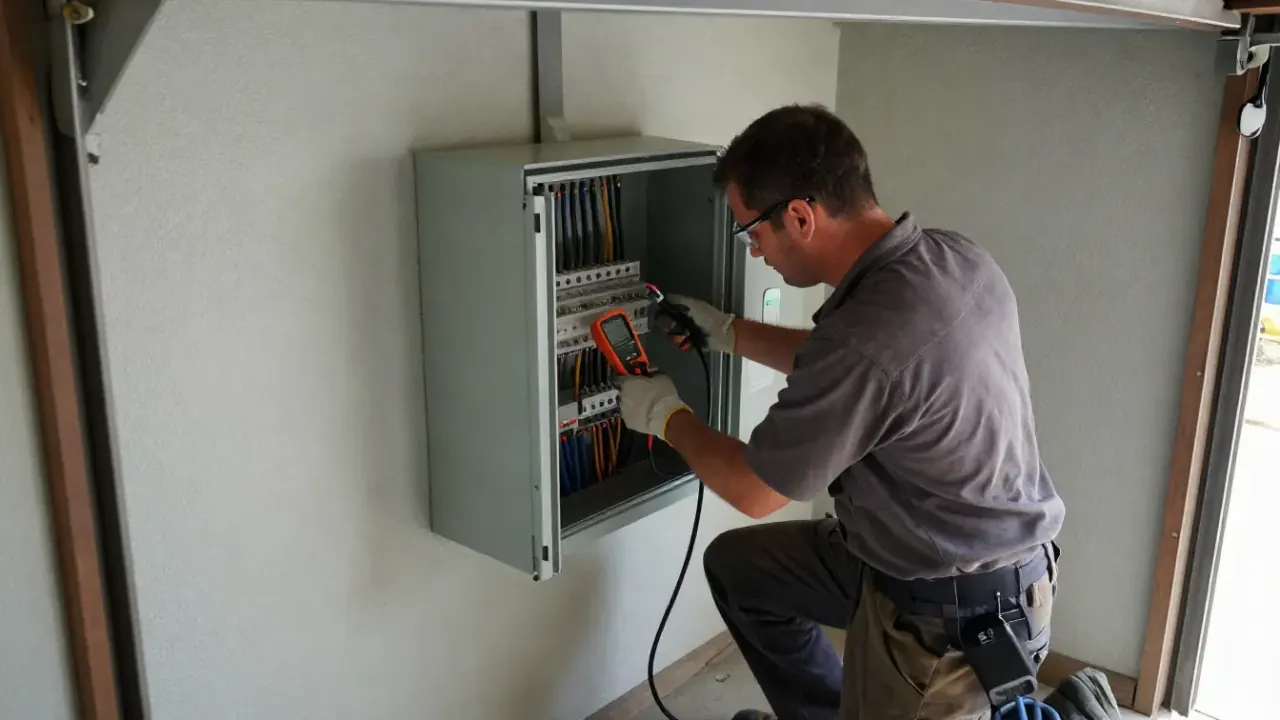 Panel Capacity and Load AssessmentThis is the step that decides your whole project. We open the panel, run a load calculation under NEC Article 220, and check for available space and busbar rating. Many older Avenues homes have a 100-amp service that can support one EV charger with a managed load device, but not two. You get a straight answer before anyone buys hardware.
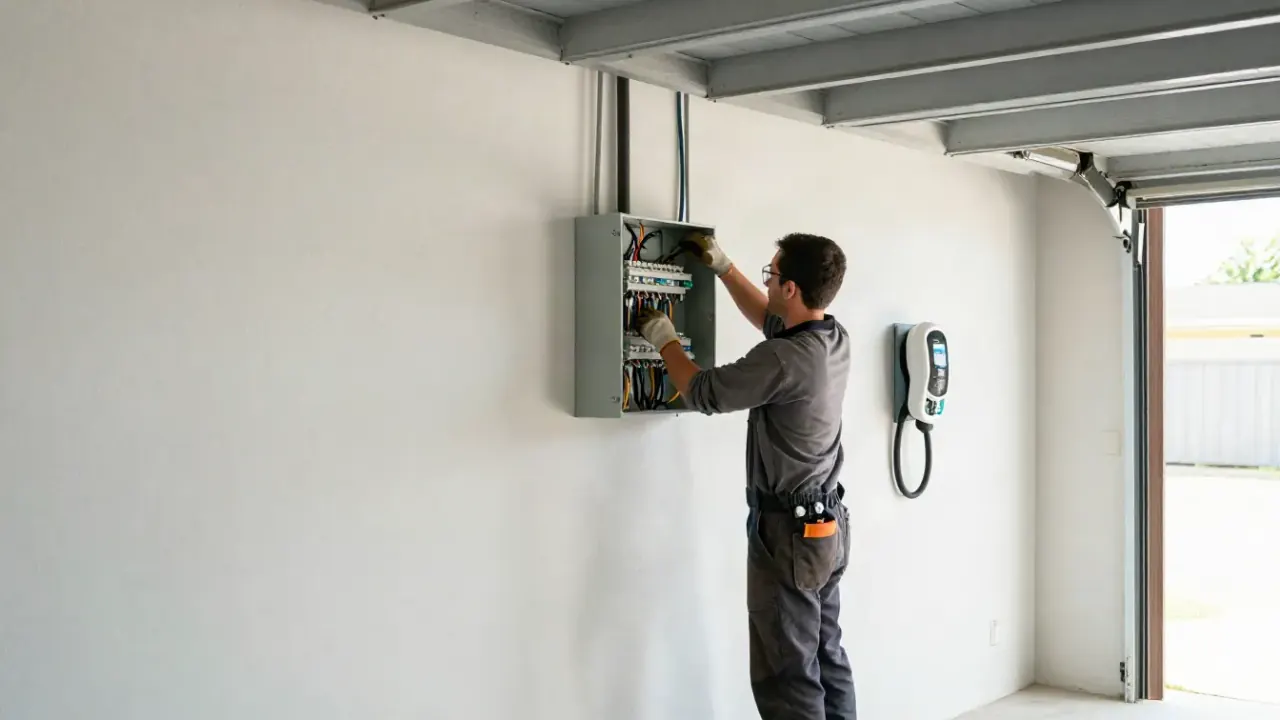 Subpanel Installation for EV ChargersWhen the main panel is full or too far from the garage, we add a subpanel closer to the charging location. This is common in The Avenues where a detached garage sits 60 to 80 feet from the house. A subpanel shortens the charger run, cleans up the wiring, and gives you room for a second EV circuit later.
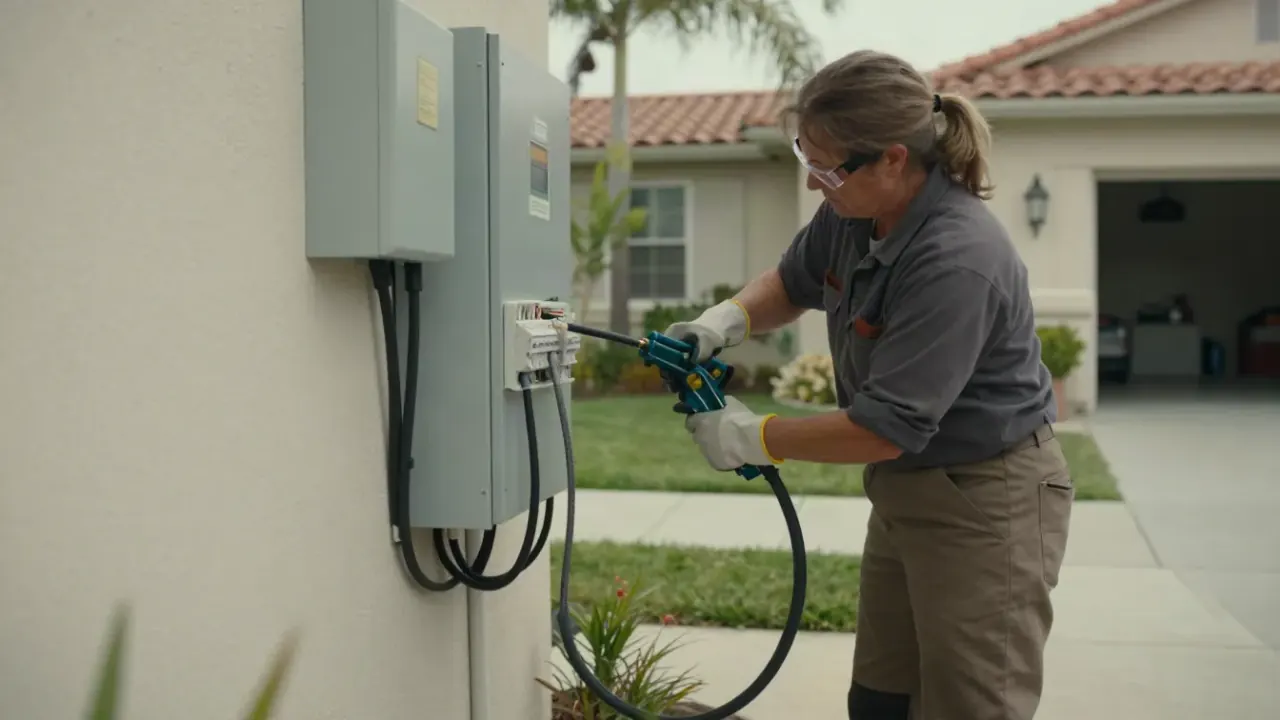 Condo and HOA Charger InstallationThe Avenues has a share of condos and shared-driveway properties where you cannot just drill through a wall. We handle the HOA paperwork, provide the electrical drawings they ask for, and install chargers on common-area panels with separate sub-metering so you pay only for your own charging.
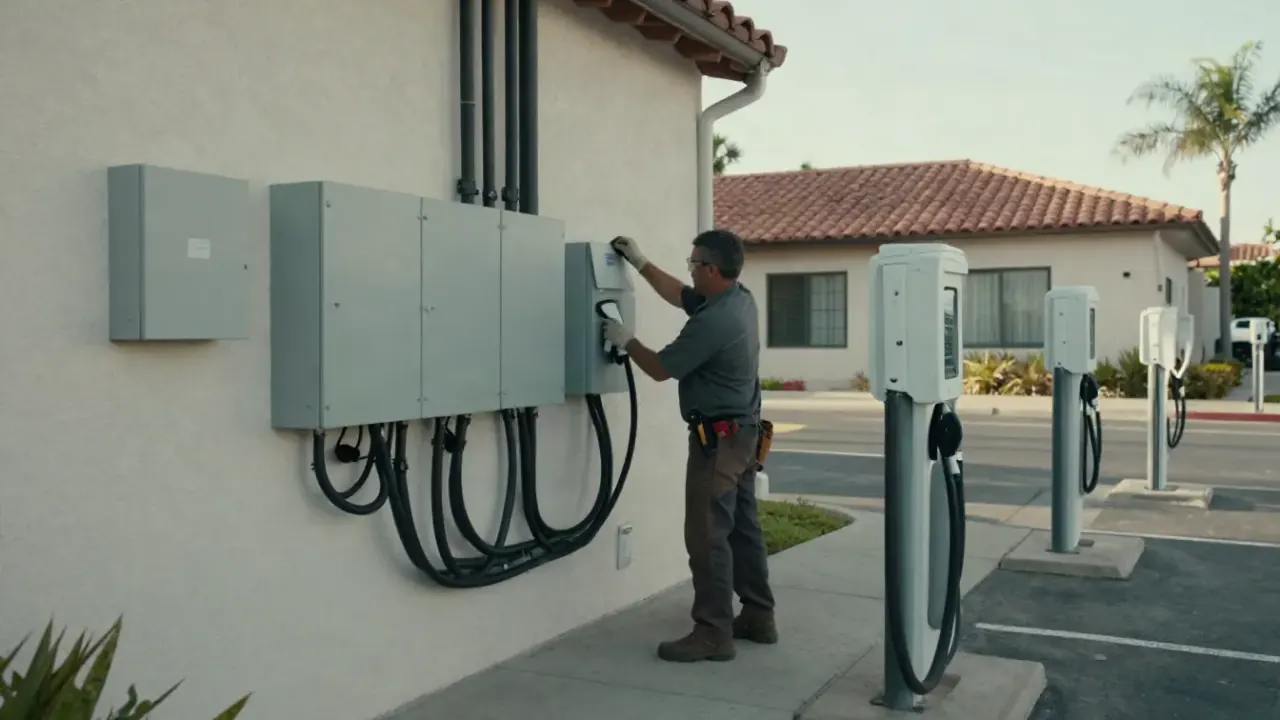 Commercial and Workplace Charger InstallationSmall offices, medical suites, and retail along the Avenue corridors need workplace charging for staff and customers. We install single and dual-port commercial units on 208V or 240V service, set up load sharing so multiple chargers do not overload the service, and mount bollards or pedestals where cars park.EV Charger Repair and TroubleshootingChargers fail in predictable ways: GFCI tripping, ground fault errors, overheating at the plug, or the car simply stops communicating. We bring a multimeter and thermal check to diagnose whether the fault is in the charger, the breaker, or the wiring. Loose wiring connections at the terminals are the single most common issue we find.
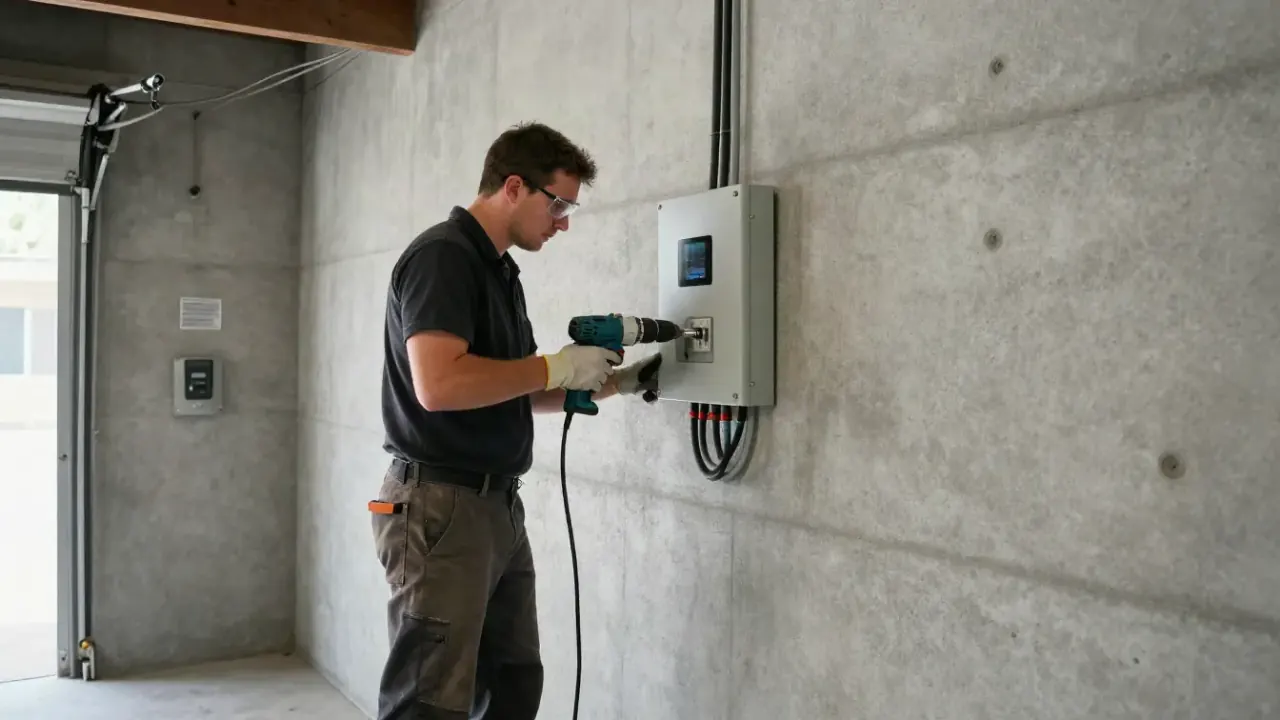 Permit and Utility Rebate HelpWe pull the electrical permit for you and schedule the inspection, which matters because unpermitted charger work can complicate a home sale. We also help you find available utility and state rebate programs for home charging equipment. You get copies of the permit and final inspection sign-off for your records.
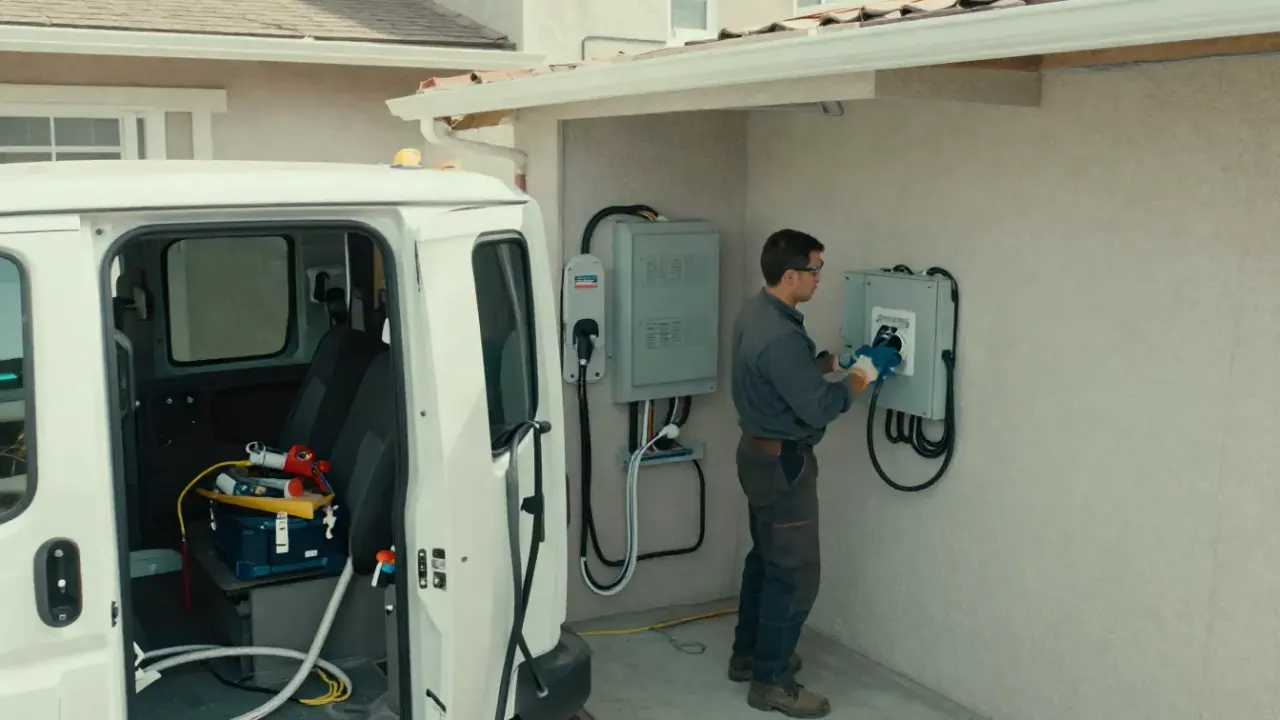 Smart WiFi Charger SetupA smart charger only earns its keep if it is actually online. We connect your Wallbox, Emporia, Enel X, or ChargePoint unit to your 2.4GHz network, set the amperage limit to match your circuit, and walk you through scheduled charging so you stay on off-peak rates. Weak WiFi in a detached garage is the usual snag.
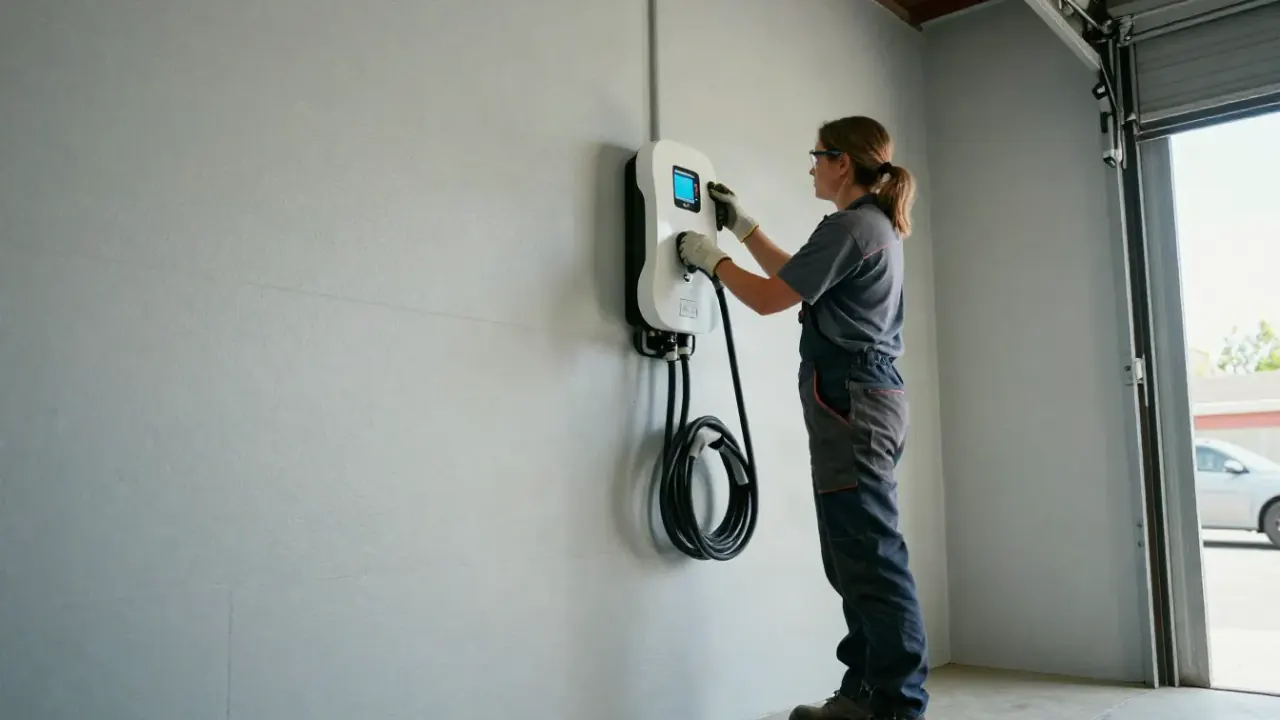
We run a dedicated 240V circuit from your panel to the garage or carport wall, sized for the distance and the amperage you need. On these blocks we often mount the unit at 48 inches and use 6 AWG copper for longer runs. We test the charger under load before we leave.
The Wall Connector is the unit we install most on these streets. We set it on a 60-amp breaker for full output when the panel allows, or dial it down to 40 amps when capacity is tight. We commission it on your WiFi so it updates and logs charging.
A NEMA 14-50 gives you a universal 240V receptacle for the Tesla mobile connector or most portable EVSEs. We use a heavy-duty industrial receptacle instead of a dryer-style outlet that overheats under continuous load. GFCI protection is matched to the equipment.
Every charger needs its own circuit, so we run a dedicated 240V feed with 8 AWG or 6 AWG copper depending on amperage and distance. Long runs from a rear panel to a front garage get the heavier wire to control voltage drop. We label the breaker at the panel.
We work on the mix of historic and renovated homes across these blocks. Detached garages and older panels are common, so we plan the run before we drill.
Small offices and retail along the Avenue corridors need charging for staff and customers. We set up load sharing so multiple chargers do not overload the service.
The Avenues has a specific set of conditions that drive charger problems: older service panels, detached garages, coastal moisture, and a lot of homes that were wired long before EV charging existed. These are the four issues we see most, and how we handle them differently.
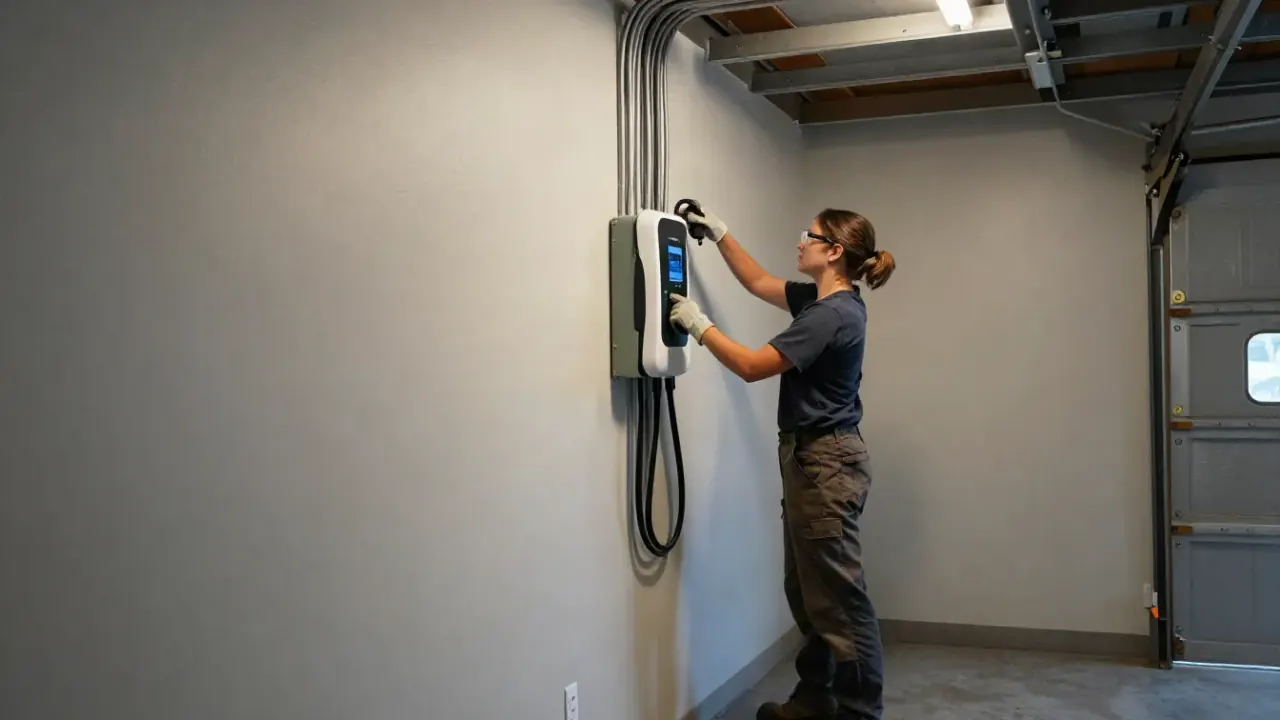
Much of the housing stock here predates modern electrical loads. A 100-amp panel with a gas range and dryer may have capacity for one EV circuit, but the math has to be done properly under NEC Article 220 rather than guessed. We calculate the actual load and, when the service is close, install a managed load device that pauses charging during peak household demand. That keeps you on the existing panel and avoids a service upgrade you may not need.
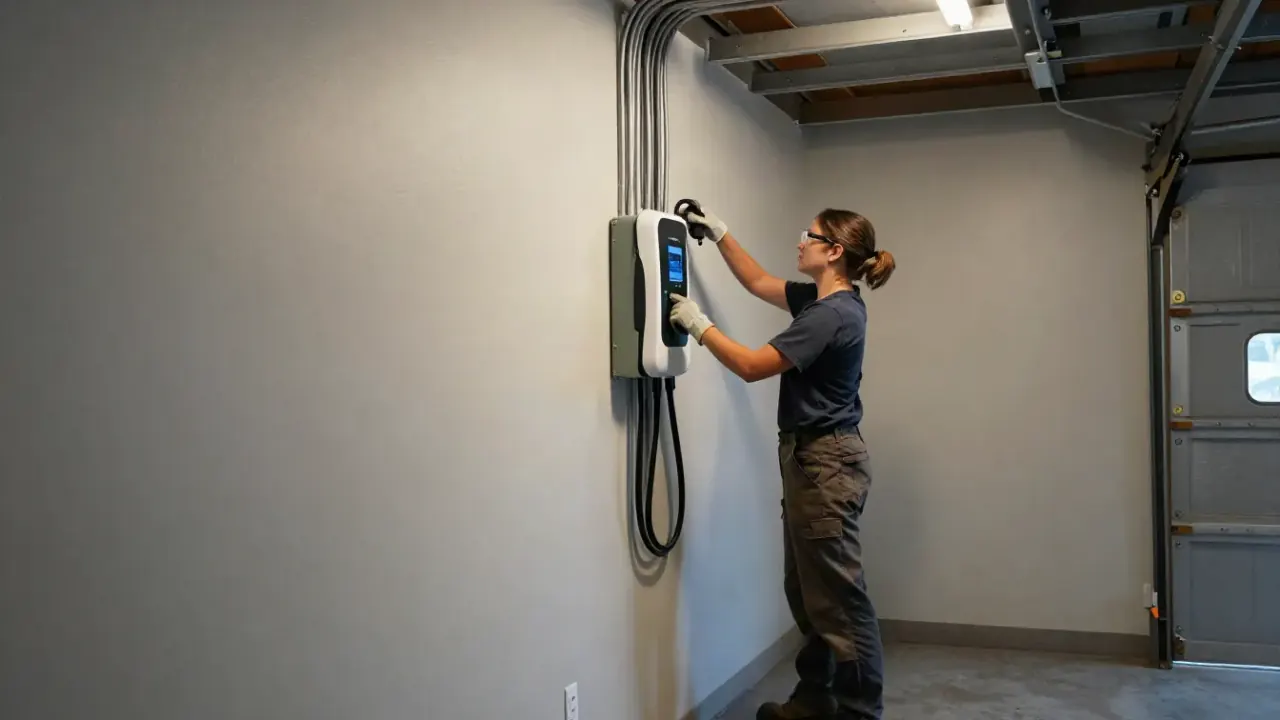
Garage receptacles are typically GFCI-protected, and some EVSEs include their own GFCI. Two protective devices in series can nuisance-trip, especially in damp coastal air. The car stops charging and the owner finds out in the morning. We match protection to equipment. Hardwired chargers with internal GFCI get a standard breaker; receptacle installs keep the GFCI with a charger rated to coexist. We test under load before we leave.
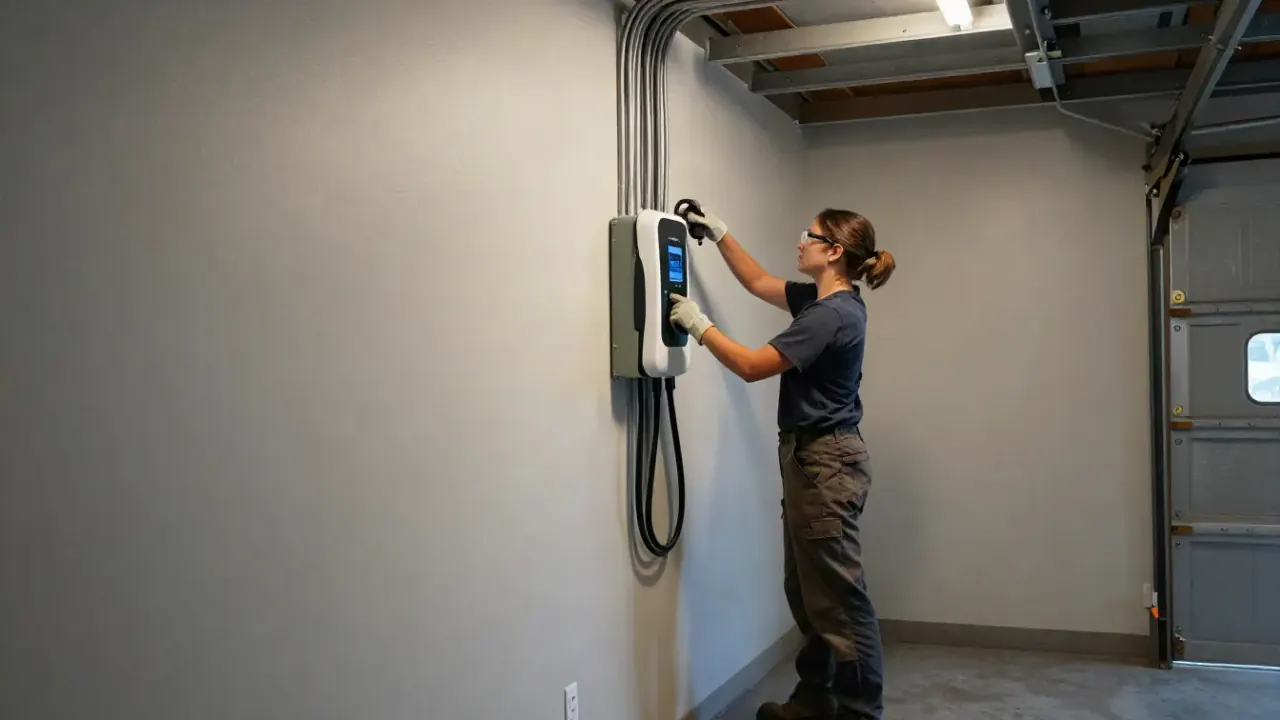
Continuous 40-amp draw overheats cheap dryer-style receptacles and any termination that was not torqued to spec. Loose wiring connections are the root cause in most of the melted plugs we replace. We install a heavy-duty industrial receptacle, use a torque screwdriver on every lug, and check the connection with a thermal read after a charging cycle. If the wire is undersized for the run, we replace it.
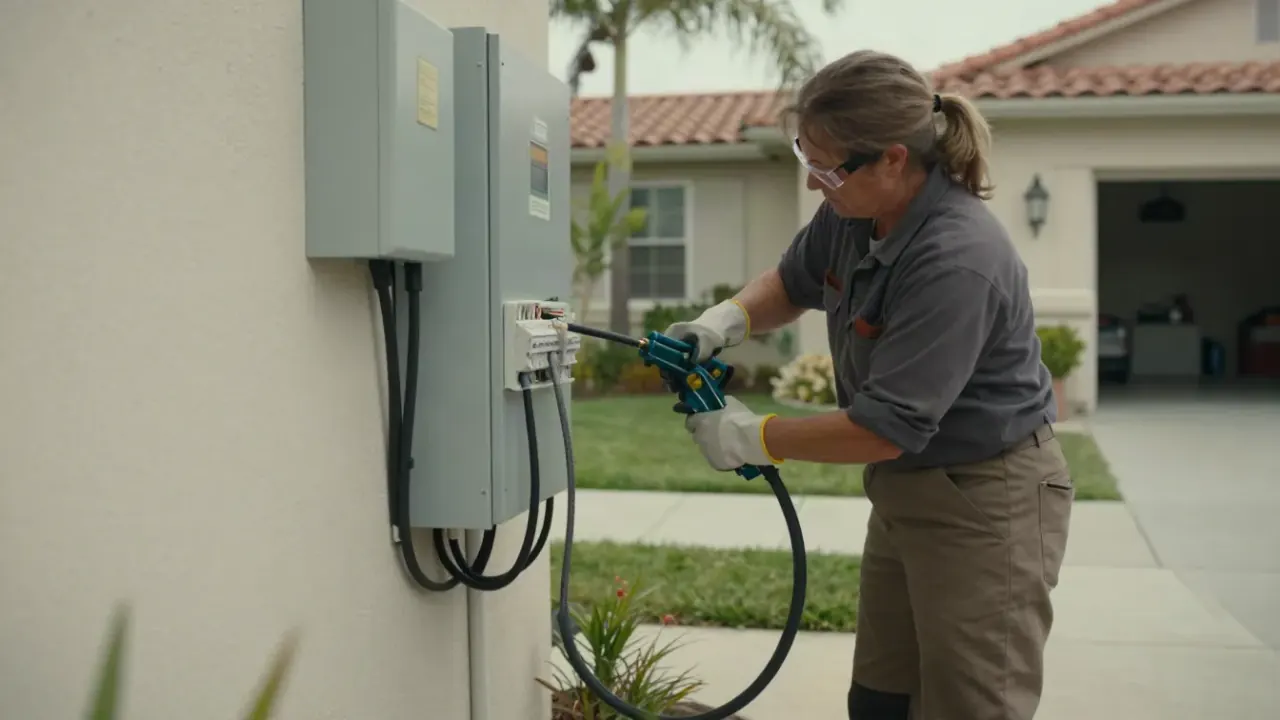
A detached garage 60 to 80 feet from the main panel is common in The Avenues. Undersized wire over that distance drops voltage, which makes the charger work harder, run warmer, and sometimes fault out. We size the conductor for the real distance, stepping up to 6 AWG copper when needed, and verify voltage at the charger under load. When the run is very long, a subpanel at the garage is the cleaner fix.
Five things Avenues homeowners notice before they call us about their charger.
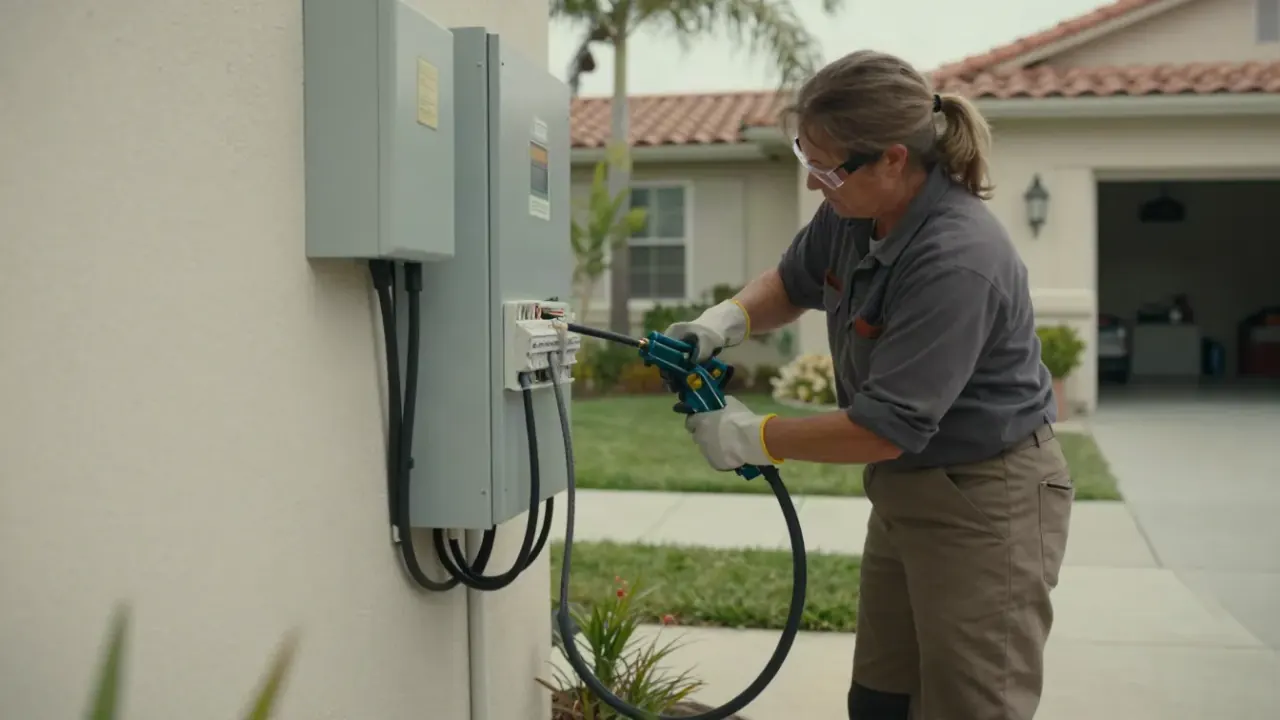
A standard 120V outlet adds only 3 to 5 miles of range per hour, so a full charge can take days. That is normal for a household plug, not a fault. A Level 2 circuit at 240V delivers 25 to 40 miles per hour and fixes it.
Continuous 240V load exposes weak breakers and loose connections that a dryer never stressed. If it trips repeatedly, stop using it and get the circuit tested. This is one of the most common calls we get in older Avenues garages.
Heat at the plug or receptacle means resistance, usually from a loose wiring connection or a worn-out dryer-style outlet. It is a fire risk, not a quirk. We replace the receptacle with an industrial unit and re-torque every termination.
Ground fault errors point to moisture, a damaged conductor, or a mismatch between the charger's internal GFCI and the garage GFCI breaker. We isolate which one is faulting with a multimeter rather than guessing at parts.
If your garage only has 120V outlets, you need a dedicated circuit before the car arrives. Booking the assessment early avoids the scramble of public charging in the first weeks of ownership, and permits take time.
Every job in The Avenues starts with a load calculation and a physical walk of the run. We check your panel brand, busbar rating, and available spaces, then measure the distance from the panel to the parking spot. If you need same-day EV Charger Installation in The Avenues CA, call before noon and we can often assess and install in one visit when the panel has capacity. The work itself follows NEC Article 625 for EV supply equipment: a dedicated circuit, a GFCI breaker where required, a listed receptacle or hardwired connection, and a cable clamp at every box. We use a torque screwdriver on breaker and lug terminations because loose connections are what cause most overheating calls. Conduit runs along exterior walls get anchored every 3 feet, and we seal penetrations against moisture. Before we leave, we test the charger under load with a multimeter, confirm the vehicle handshake, and label the breaker. You get a walkthrough of the amperage setting and the charging schedule.
A 100-amp service often has no room for a 50-amp EV breaker without a load management device or a service upgrade. This changes both the hardware list and the total cost of the project. We run the NEC Article 220 calculation first. If the service is close, we install a managed load device that pauses charging when the house draws heavy power, which keeps you on the existing panel and saves thousands.
Long runs from a rear main panel to a detached garage create voltage drop and require heavier wire, which raises material cost and labor time on the trench or overhead run. We size the conductor for the actual distance, stepping up to 6 AWG copper when the run exceeds 50 feet. Where trenching is impractical, we run conduit overhead or along the fence line with proper support.
Garage receptacles are often on a GFCI breaker, and some EVSEs nuisance-trip when combined with a second GFCI in the charger itself. The car stops charging overnight and the owner wakes up to a dead battery. We match the protection to the equipment. For hardwired chargers with internal GFCI, we use a standard breaker; for receptacles, we keep the GFCI and choose a charger rated to coexist with it.
This is the article that governs EV supply equipment. It sets the rules for circuit sizing, disconnects, receptacle ratings, and ventilation that every charger install in The Avenues must follow to pass inspection.
Title 24 energy standards influence how EV-ready circuits are planned in new construction and major remodels, and they shape what we document for permitted work in Los Angeles County.
EV charger work is electrical contracting. A C-10 license means the contractor is qualified to pull permits and perform the work legally in California, which protects you if anything goes wrong.
What your estimate is based on
We schedule Avenues jobs Monday through Saturday, with morning and afternoon windows. Call before noon and we can often do a same-day assessment when the panel situation is simple. Emergency calls for a charger that has stopped working, a tripping breaker, or a burning smell at the plug get priority, and we run a 24/7 line for those. Permit work is scheduled around city inspection availability.
Typical 2026 pricing for EV Charger Installation in The Avenues CA runs from about $650 to $1,800 for a standard Level 2 install, and $2,200 to $4,500 when a subpanel or long conduit run is involved. The biggest variable is distance from your panel to where you park. A garage directly behind the panel is a short, inexpensive run. A detached garage 70 feet away with a trench or overhead conduit is a different project. Panel capacity is the second variable: if your service has room, you pay for the circuit; if it does not, a managed load device or subpanel adds cost. We give you a written number after the assessment, not a phone guess. Affordable EV charger installation in The Avenues usually means solving the load problem smartly rather than upgrading service you do not need.
We use the landmarks around The Avenues to orient our routes and schedule efficiently. Redondo Union High School and Franklin Park anchor the northern end, and the Redondo Beach City Hall and Civic Center area sits just to the west. Avenue I Park gives us a clear reference point for the eastern blocks. Knowing these markers means we can tell you roughly when we will arrive and which cross street to expect us on.
A major orientation point at the north end of the neighborhood. We use it to route toward the Avenue A and Avenue B blocks and to time arrivals around school traffic.
Sits near the western edge of the Avenues grid. It helps us locate the streets running between the park and the Avenue corridors when we are scheduling multiple jobs in one afternoon.
A useful reference for the eastern Avenues blocks. When a job is described as near Avenue I Park, we know the run lengths and parking situation before we arrive.
Located just outside the Avenues to the west. We pass it on the way to permit counter visits and use it as a landmark when giving customers directions to our service area.
Adjacent to City Hall and part of the same civic cluster. It marks the western approach into The Avenues and helps us describe arrival windows to customers on the edge of the grid.
A small strip of shops and services along Avenue I at the eastern edge of the neighborhood. It is a convenient reference point for commercial charger inquiries from nearby small businesses.
Runs along the western side of Redondo Beach and gives us fast north-south access to The Avenues from surrounding South Bay cities.
A main north-south artery to the east, useful for reaching the Upper Avenues and connecting to Torrance and Lawndale.
The Avenues runs from Avenue A near the northern edge down through Avenue E, and the housing changes block by block. We work all of it, plus the surrounding South Bay streets. Here is what we see in each part of the neighborhood.
A homeowner on Avenue C had a 100-amp panel, a detached garage 70 feet from the house, and a new Tesla with no way to charge overnight.
We ran a load calculation, installed a 60-amp subpanel on the garage wall, and fed a Tesla Wall Connector from it on a 50-amp circuit. The run used 6 AWG copper in conduit along the fence line with a cable clamp at each box. The car now charges at 40 amps overnight, the main panel stayed as-is, and the homeowner avoided a full service upgrade. Total job took one day.
A customer near Franklin Park kept waking up to a dead car because the garage GFCI breaker tripped every few nights.
We tested the circuit with a multimeter, found the charger's internal GFCI was fighting the garage GFCI, and hardwired the unit to a standard breaker as allowed for hardwired EVSE. We also re-torqued the lugs, which had loosened. No tripping in the months since. Charging is now consistent every night, and the customer added a second EV circuit later on the same panel.
A small office on the Avenue I corridor wanted two workplace chargers but had limited service capacity and no plan for load sharing.
We installed two dual-port commercial units on a shared 40-amp feed with load sharing enabled, so both chargers split available power instead of tripping the breaker. We pulled the permit and mounted the units on pedestals in the parking area. Four parking spots now have charging, the service was not upgraded, and the business passed inspection on the first visit.
5.0
Marine layer moisture and morning damp are common in spring, and outdoor chargers or garage receptacles can show ground fault errors as a result. It is also a popular time to book installs before summer travel season. Check that your charger holster and cable are not sitting in standing water, and have us test the GFCI if it has tripped more than once.
Warmer garage temperatures push chargers and breakers harder during long charging sessions. Heat plus a loose connection is what causes most overheating calls, and peak afternoon charging is the worst time for it. Schedule charging overnight when the garage is cooler, and feel the plug after a session. Warm is normal; hot means call us.
This is our busiest season for new installs as people prepare for holiday travel and cooler evenings. Panel capacity questions come up most in fall because homeowners are planning ahead rather than reacting to a failure. Book your assessment early if you want the work done before the holidays, since permit and inspection schedules fill up.
Rain is the main factor. Water intrusion at exterior conduit penetrations and outdoor receptacles causes ground faults, and shorter daylight means more charging happens after dark in wet conditions. Make sure exterior penetrations are sealed and your charger is under cover where possible. If it faults after a storm, stop using it until we test the circuit.
Not every quote in The Avenues is built the same way. Some contractors skip the load calculation, some skip the permit, and some install a receptacle that will overheat within a year. These five questions separate a real electrical contractor from a handyman with a drill.
A proper NEC Article 220 calculation tells you whether your panel can actually support the circuit. A contractor who quotes without opening the panel is guessing, and the guess usually costs you more later.
Permitted work gets inspected, which protects you at resale and confirms the install meets code. Unpermitted charger circuits can become a problem during a home sale or insurance claim.
The answer should match your amperage and run distance, typically 8 AWG or 6 AWG copper. If they cannot tell you, they are not sizing the conductor properly and voltage drop becomes your problem.
Loose wiring connections are the number one cause of overheating at EV chargers. A contractor who uses a torque screwdriver and can say so is doing the work that prevents a melted plug.
You want a clear answer about returning to test the circuit and the equipment. A contractor who stands behind the work will tell you exactly what they check and how quickly they come back.
Most Level 2 installs in The Avenues run $650 to $1,800 in 2026, and $2,200 to $4,500 when a subpanel or long conduit run is needed. Distance from your panel to the parking spot is the biggest factor, followed by whether your service has spare capacity. We give you a firm number after the load assessment, not a phone estimate.
The right company is the one that opens your panel before quoting, pulls the permit, and torques every termination. Ask any contractor whether they run a load calculation under NEC Article 220 and whether the work is inspected. We do all three on every Avenues job, and we are happy to show you the labeled panel when we finish.
Yes. A new 240V circuit for EV charging requires an electrical permit in Redondo Beach, and the work is inspected afterward. We pull the permit for you and schedule the inspection. Permitted work protects you at resale and confirms the circuit meets NEC Article 625 and California code.
Often, yes. If you call before noon and your panel has open capacity with a straightforward run, we can assess and install in one visit. Jobs that need a subpanel, a trench, or a service upgrade get scheduled across one to two days. Emergency calls for a tripping breaker or a hot plug get priority.
Yes, the Tesla Wall Connector is our most common install here. We set it on a dedicated circuit at 60 amps for full 48-amp output when your panel allows, or dial it down to 40 amps when capacity is tight. We also connect it to your WiFi so it gets firmware updates and logs your charging.
We install Level 2 chargers across The Avenues every week, from Avenue A to Avenue E, and we know the panel and garage situations on these blocks. Call us and we will run the load calculation, quote a firm number, and pull the permit. If your charger is already failing, we can test the circuit and get you charging again.
Call us at (310) 294-5464 or send a note and we will get back to you the same business day. Tell us the car, the charger you want, and where it is going, and we can often give you a ballpark before we drive out. We are in Redondo Beach, California and work Los Angeles County daily.