Written scope
Amperage headroom and stall plan
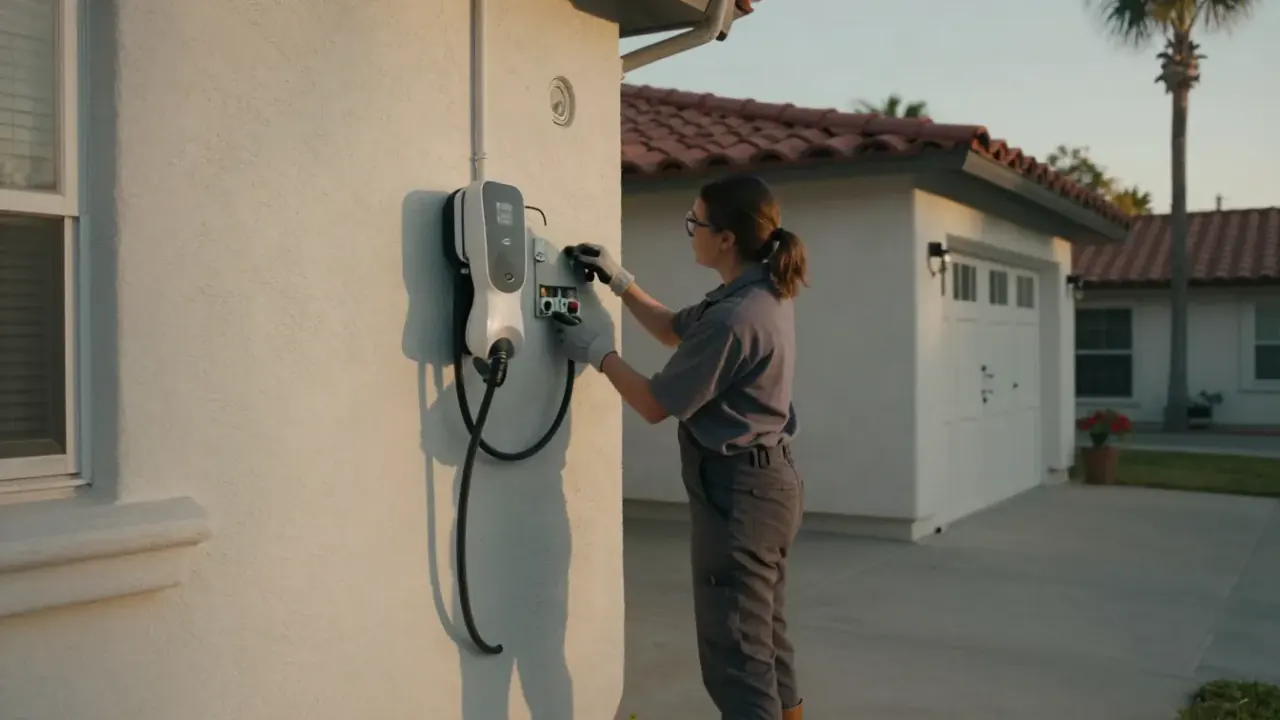
Condo and HOA Charger Installation Redondo Beach CA is what we do every week: Level 2 EV charging for shared garages, gated lots, and multi-unit buildings. Whether you own a unit in Villas North or manage a 40-space HOA garage near Riviera Village, we handle the load assessment, HOA EV charger installation Redondo Beach paperwork, and code-correct wiring from the panel to the parking stall. California Title 24 and NEC Article 625 compliance come standard.
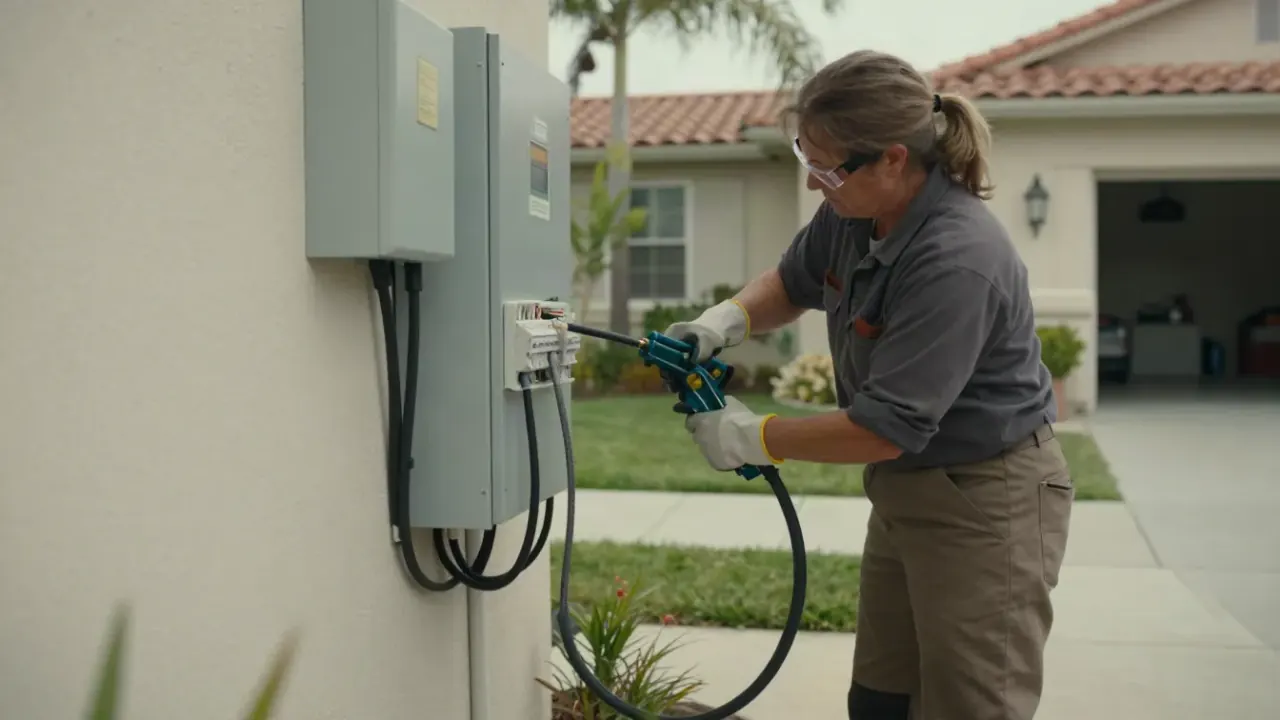
Every job starts with the electrical reality of your building and ends with a tested, permitted charger. Here is what is included in a standard condo or HOA installation, and where add-on work like trenching or a service upgrade comes into play.
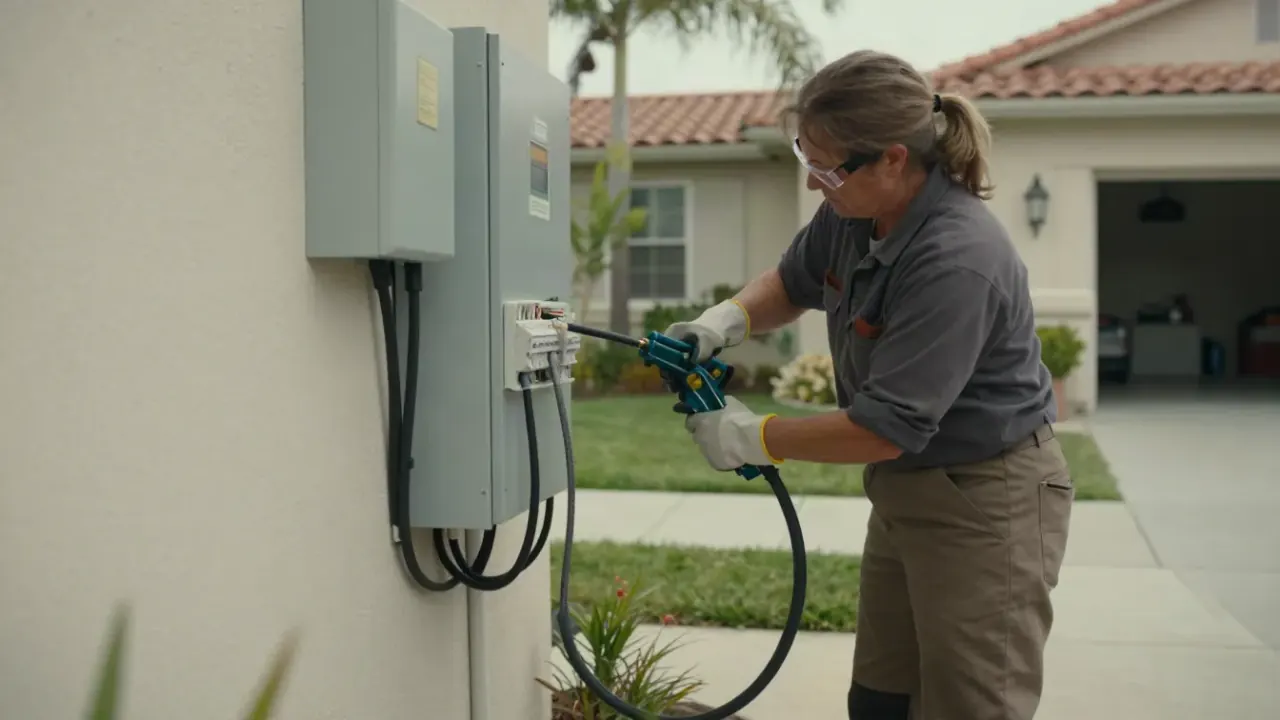
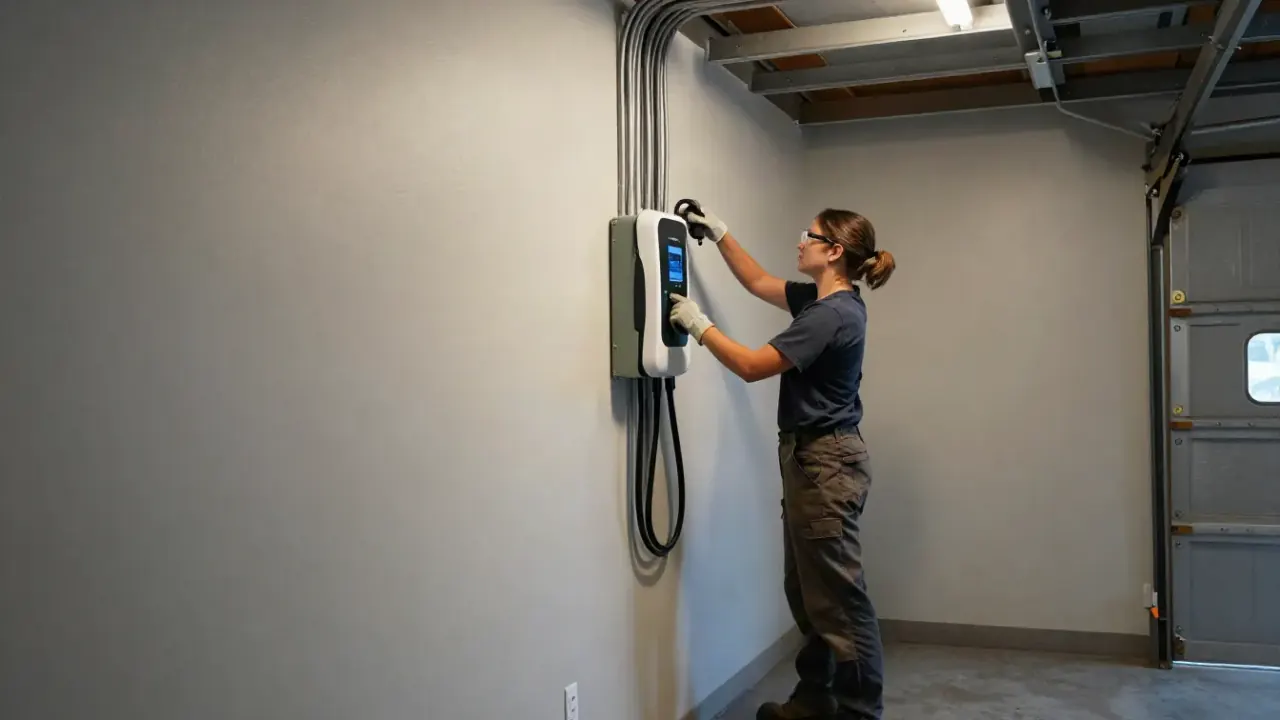
You park in an assigned stall or a shared garage, and you want to charge overnight instead of driving to a public station. We run the circuit from the building panel to your stall and mount the charger where it fits your parking spot.
Boards and managers need charging that residents can use without overloading the building. We assess the service, plan the stall layout, and install chargers that fit the available amperage.
Condo and HOA Charger Installation Redondo Beach CA means running a dedicated 240V circuit from a building's electrical panel to one or more parking stalls, then mounting and commissioning a Level 2 EV charger on that circuit. In a multi-unit building, that work starts with a load calculation under NEC Article 220 to confirm the existing service can carry the added amperage. If the main panel is maxed out, we install a subpanel or engineer a load-sharing setup so four, eight, or twenty residents can charge without tripping the house meter.
Most Redondo Beach condo owners we meet are driving a Tesla, a Chevy Bolt, or a plug-in hybrid and charging on a 120V cord strung across a walkway. That works until it doesn't. Shared garages in The Avenues and Golden Hills were wired decades before anyone owned an EV, and the panels show it: insufficient panel capacity, voltage drop on long conduit runs, and no place to land a 6 AWG copper wire. If you have been searching for multi-unit EV charger installation near me Redondo Beach, the real question is not which charger to buy, it is whether your building's service can feed it.
We check the panel first, because the building decides what the charger can do.
Five steps, from the first walkthrough to the inspection sign-off. Most single-stall jobs finish in a day; multi-stall HOA projects run one to three weeks depending on trenching and permits.
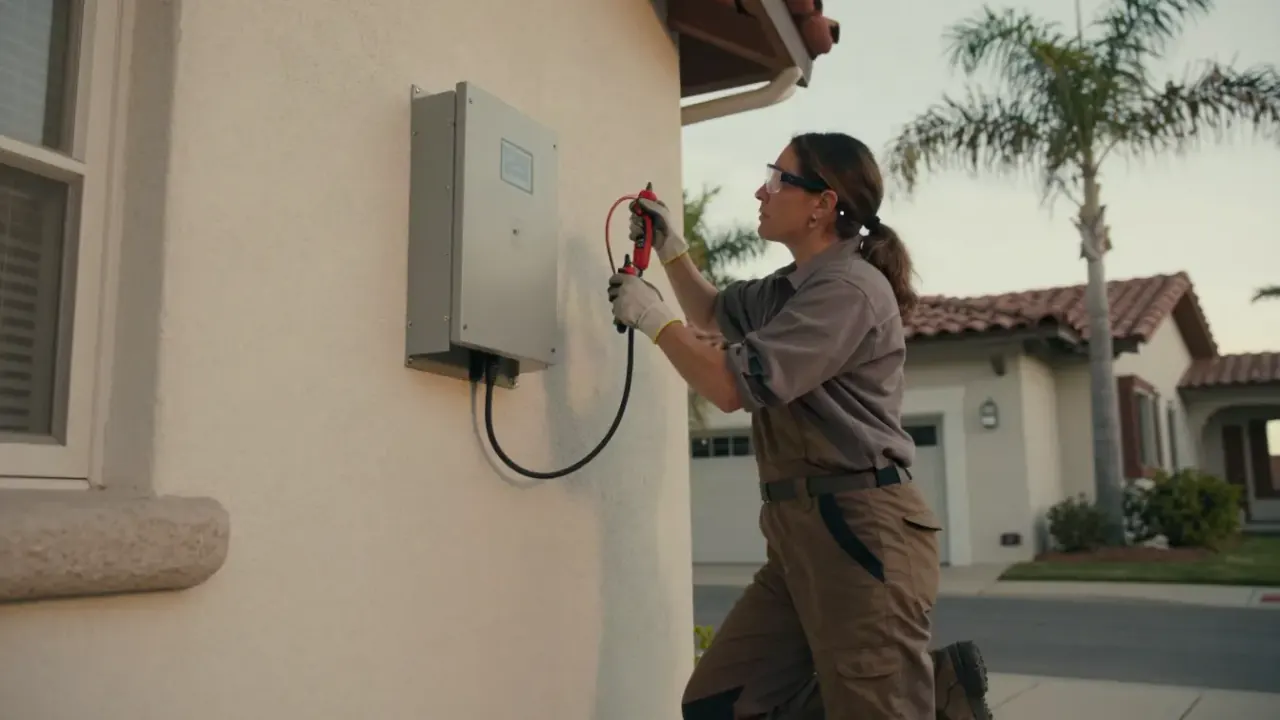
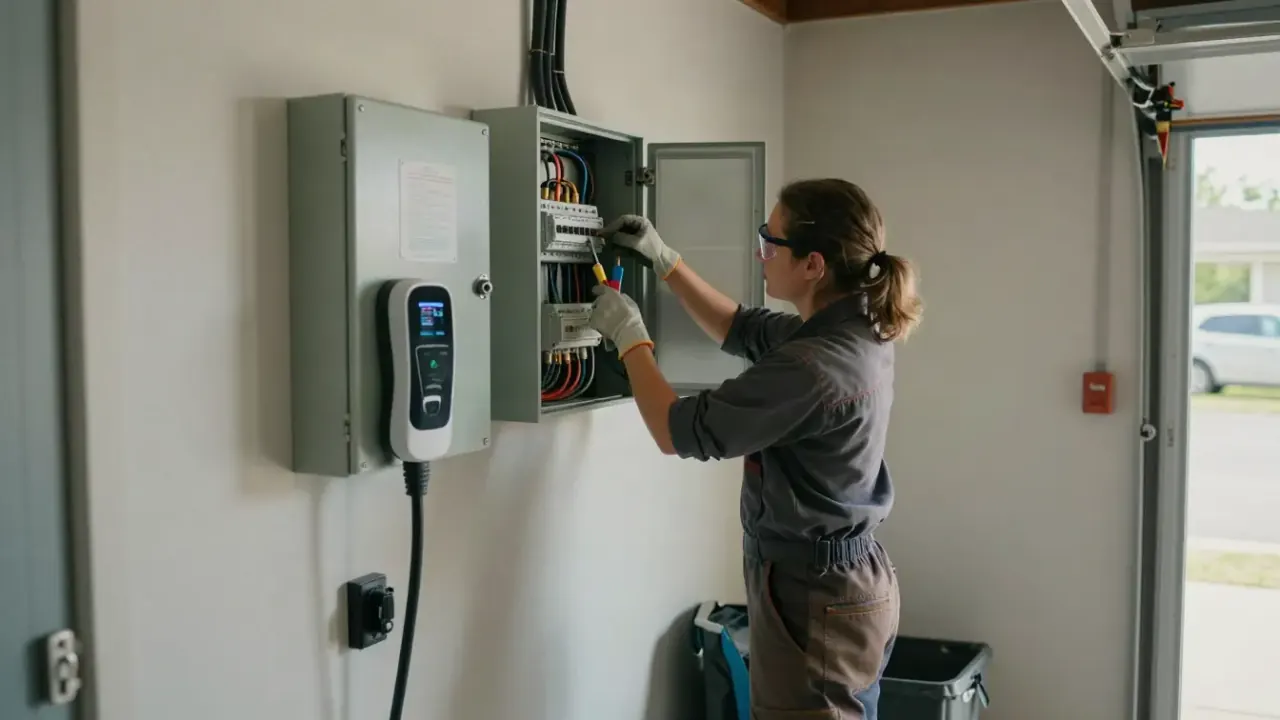
We meet you or your property manager at the building, open the main and subpanels, and photograph the existing breakers. A multimeter and clamp meter confirm available capacity, and we note conduit paths from the panel to the parking area. Expect 45 to 90 minutes on site. You get a written scope with the amperage headroom and any panel limits spelled out.
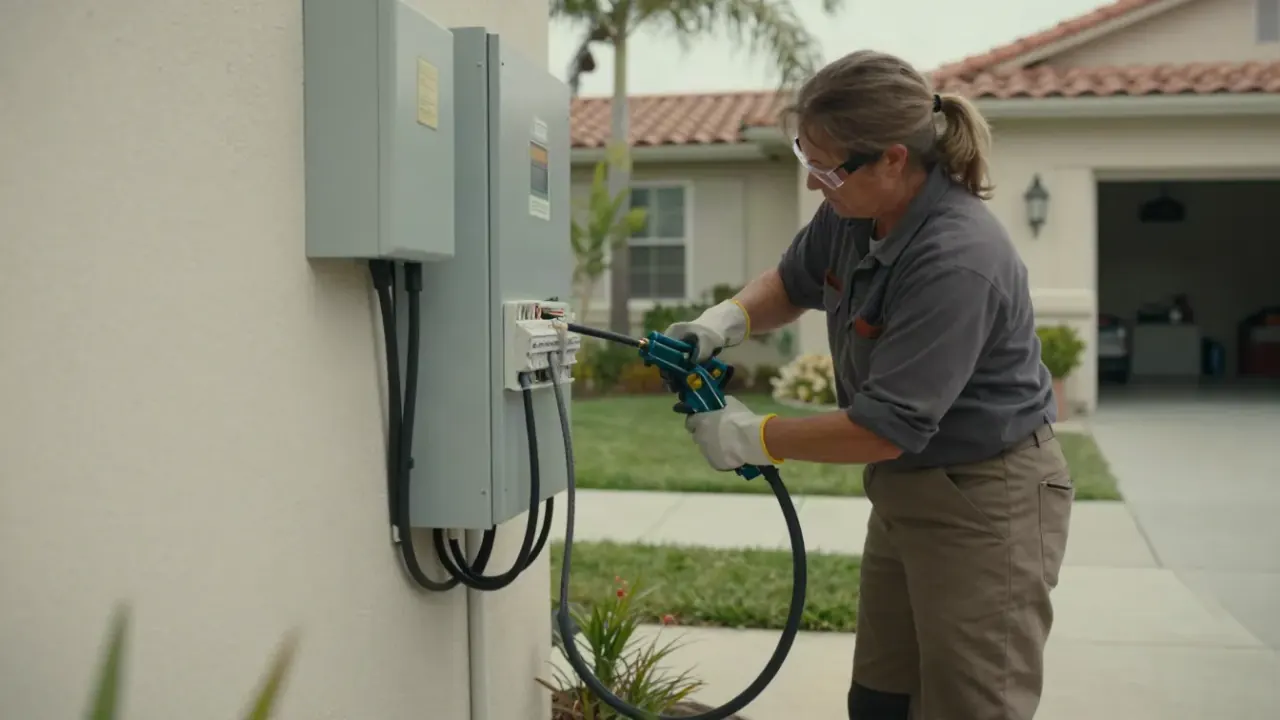
For shared garages we prepare the documents most Redondo Beach HOA boards ask for: the load calculation, a one-line electrical diagram, the proposed stall locations, and the CSLB C-10 Electrical License reference for the contractor of record. If your CC&Rs require an architectural review, we format the packet to match their checklist so it does not bounce back.
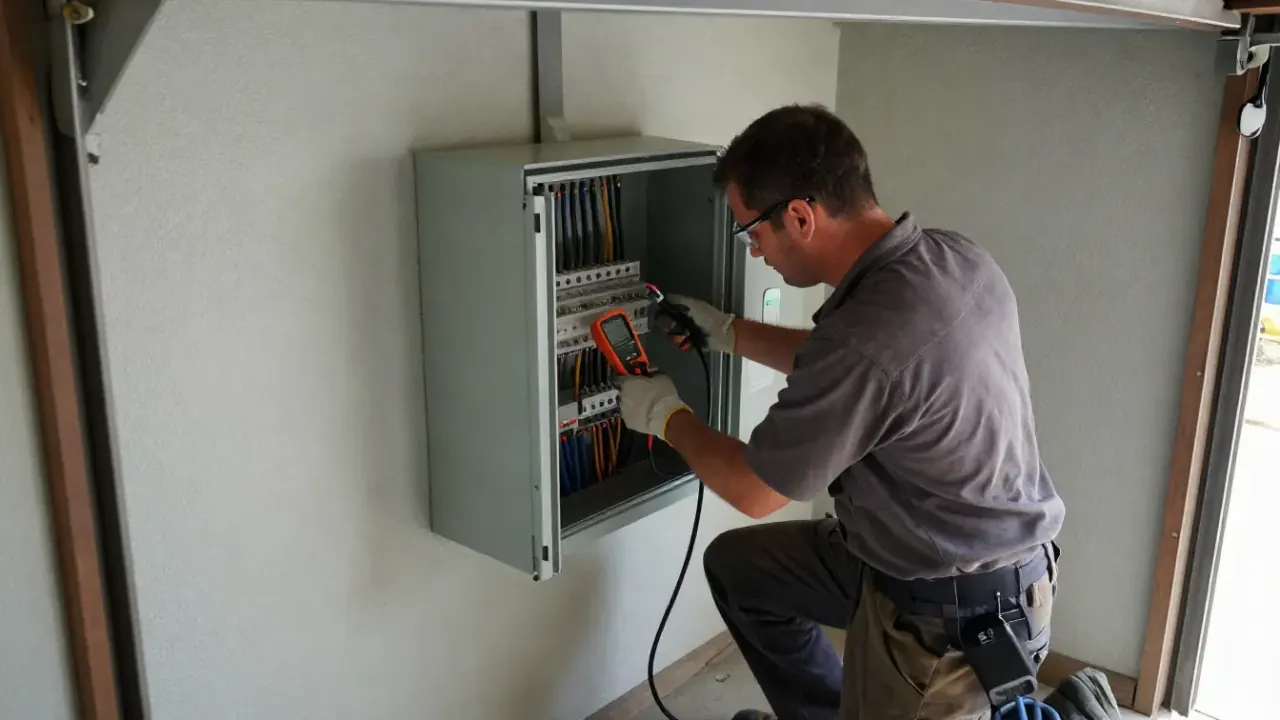
We pull the electrical permit through the City of Redondo Beach and schedule the work around your building's parking needs. Multi-unit jobs get staged so no more than a few stalls are offline at once. Permit turnaround in Los Angeles County typically runs 5 to 10 business days, and we handle the inspection booking.
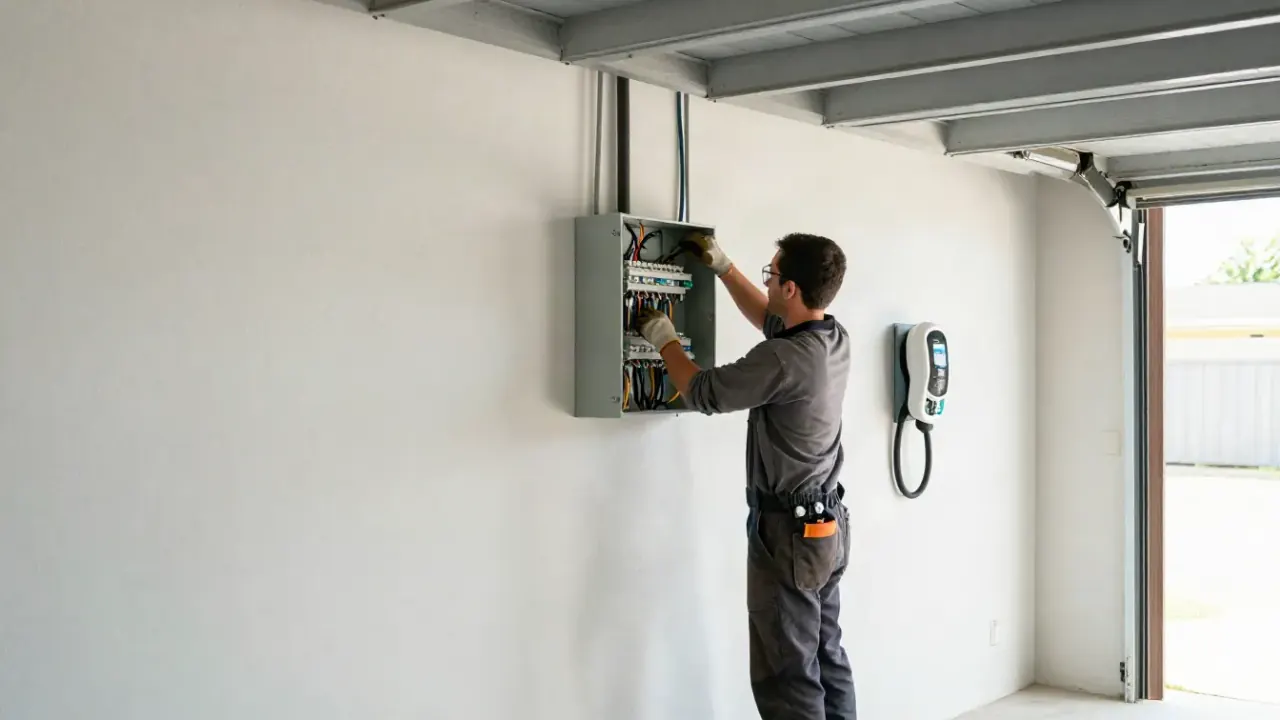
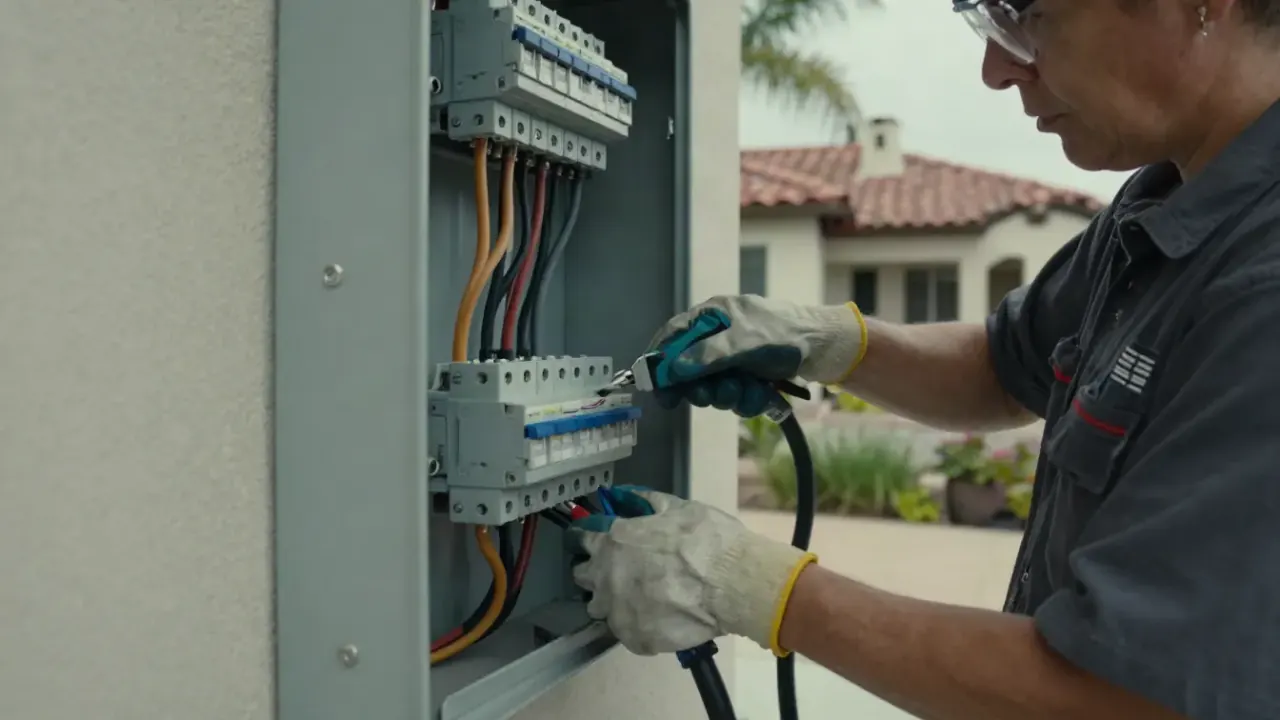
Our electricians run conduit and 6 AWG or 8 AWG copper wire from the panel to each stall, set junction boxes, and install the breaker or GFCI breaker. Every termination is torqued with a torque screwdriver to the manufacturer spec, because loose wiring connections are the number one cause of overheating charger failures we get called to fix.
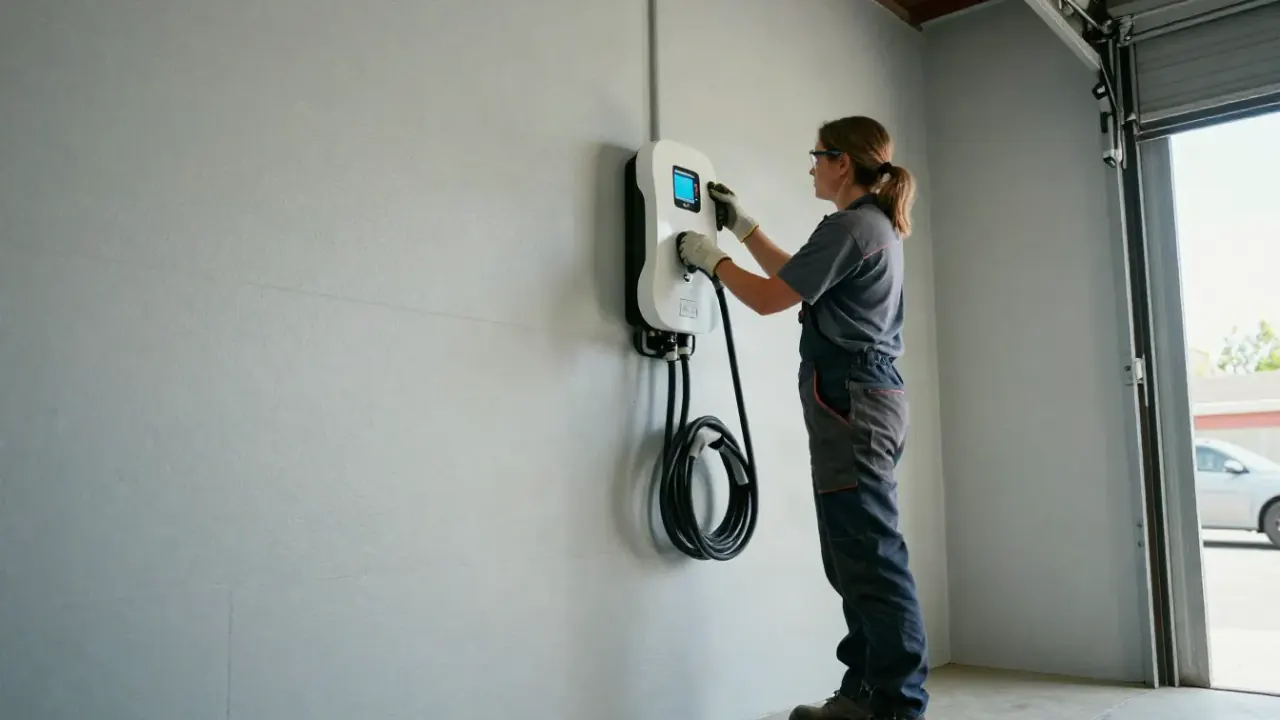
We mount the charger on its bracket or holster, land the conductors, and power it up. A full test cycle confirms the unit communicates with the vehicle, holds amperage without nuisance GFCI tripping, and reports correctly in its app. You get a walkthrough of the charger, the circuit label, and the inspection card before we leave.
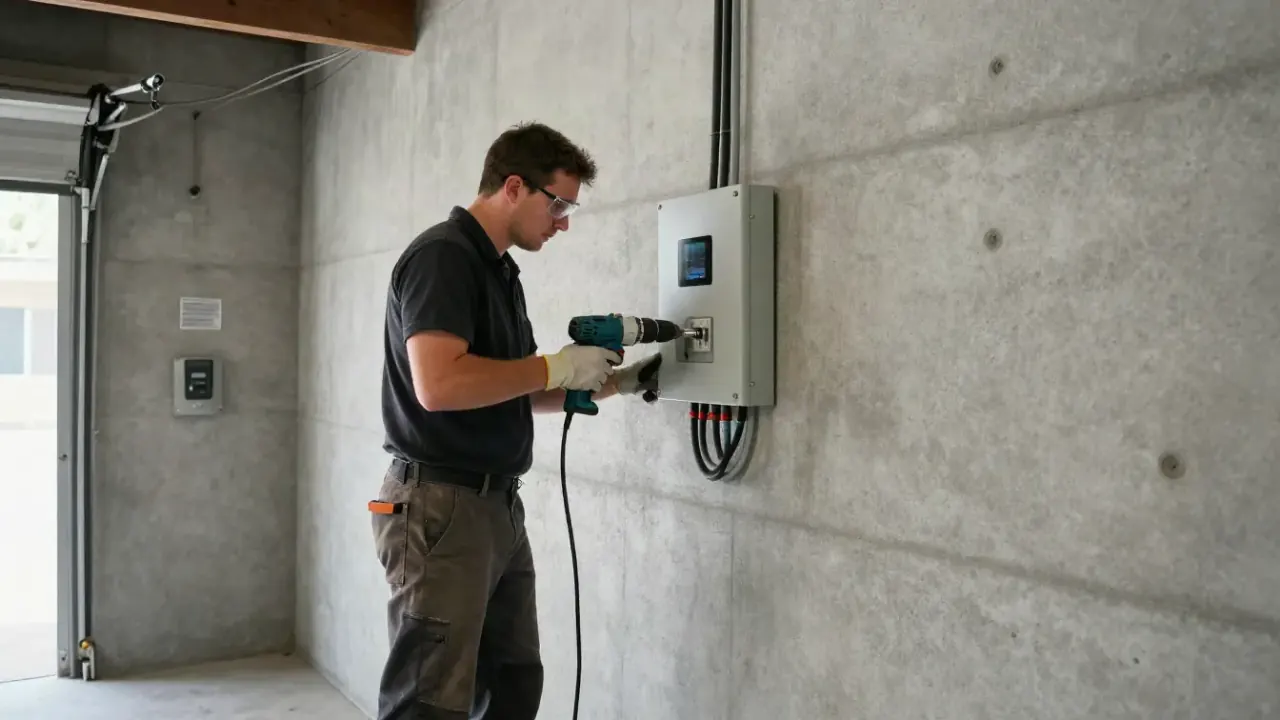
The 240V unit we mount on each stall, typically 32 to 48 amps. We match the model to the building's available capacity and the residents' vehicle mix, whether that is Tesla, ChargePoint, or a universal J1772 unit.
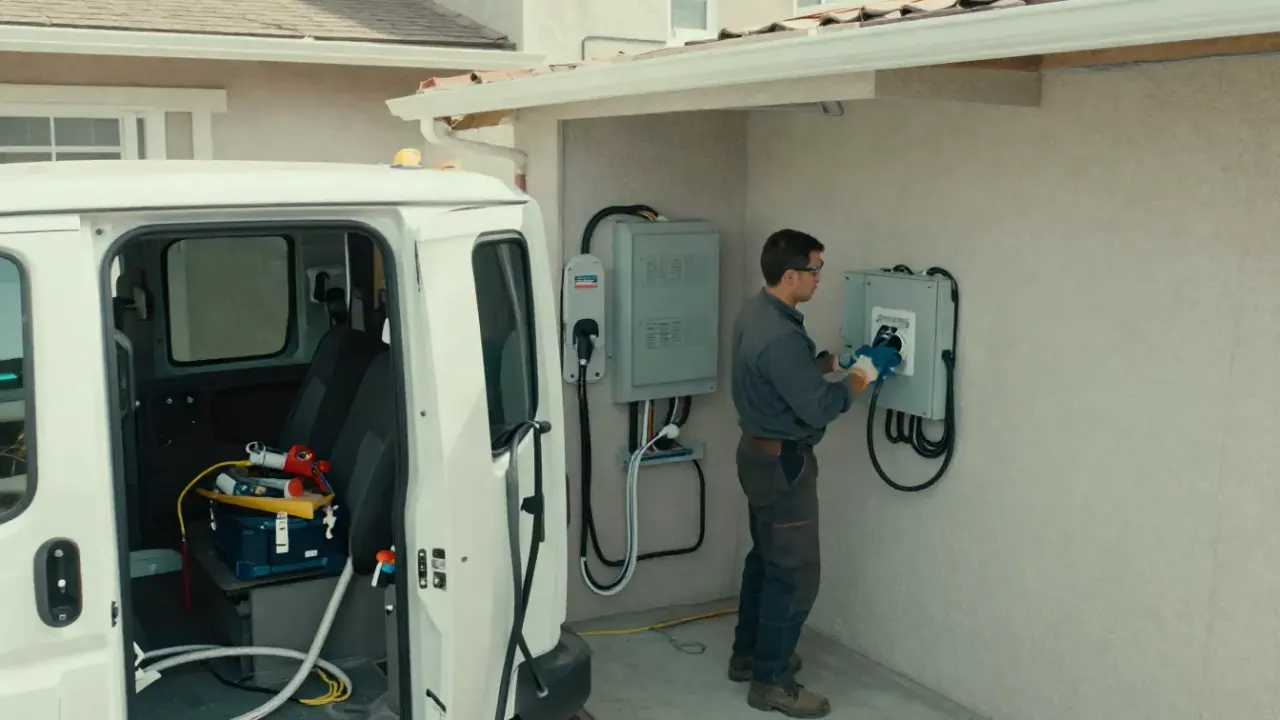
The most common hardwired unit in Redondo Beach condo garages. We set its amperage to match the circuit, configure the WiFi, and mount it on a bracket at the height that works for the stall layout.
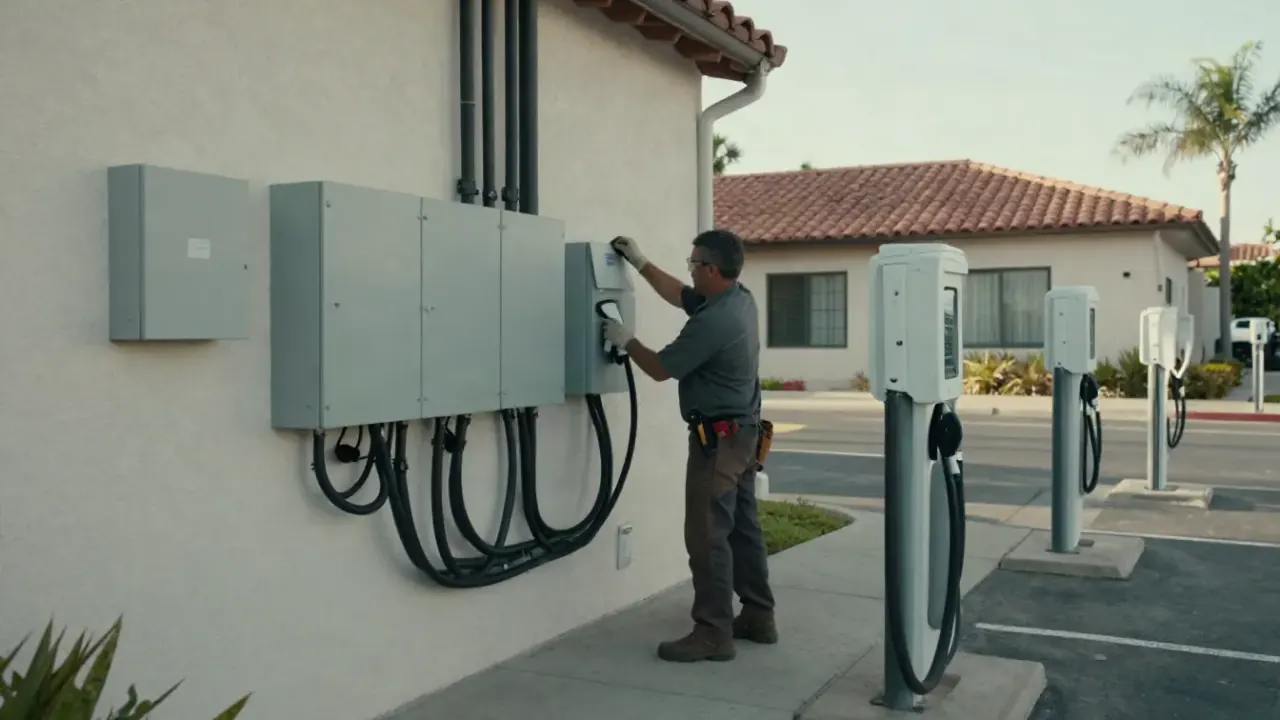
Used on every breaker and charger termination. Manufacturer specs give an inch-pound value, and loose wiring connections are the leading cause of overheating charger failures we get called to repair.
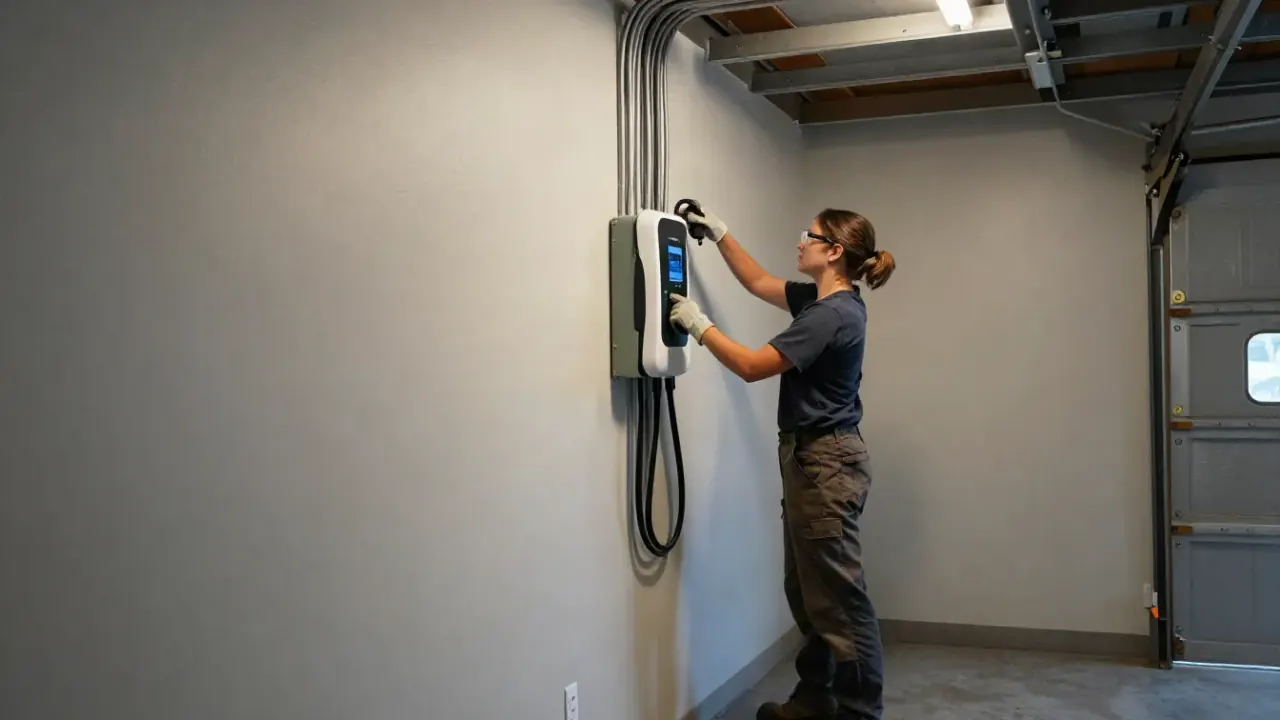
For the load assessment and the final test. We measure available amperage, confirm voltage at the stall, and verify the charger holds its rated draw without nuisance GFCI tripping.
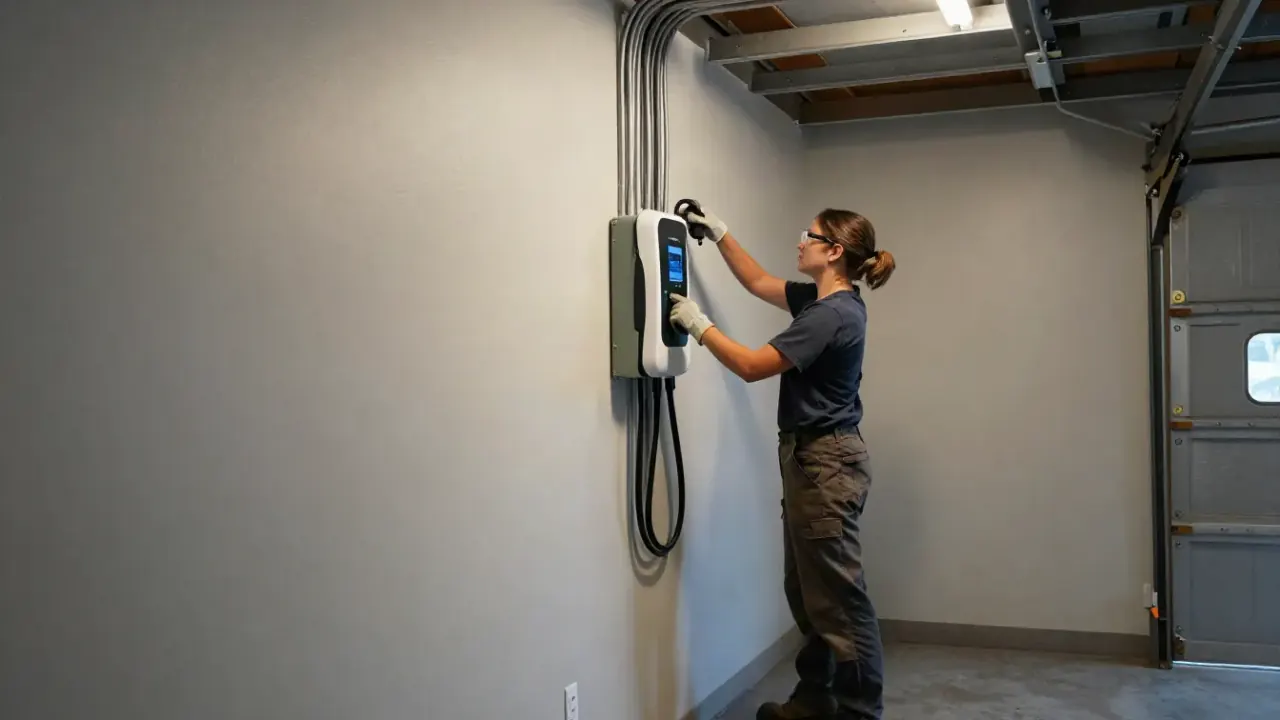
The conductors we pull in conduit from the panel to each stall. Wire size is chosen by run length and charger amperage so voltage drop stays within the code-recommended limit.
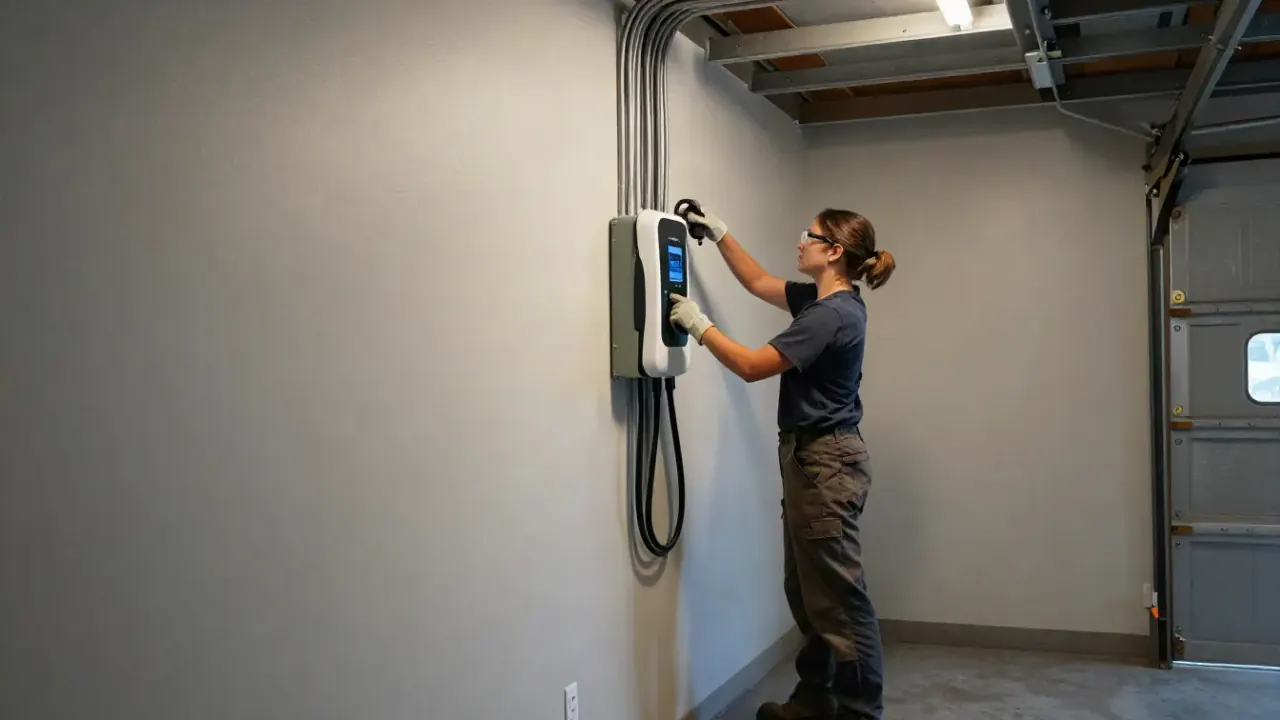
Required for certain EV charging circuits under NEC Article 625. We match the breaker type to the charger's requirements, since the wrong GFCI is a common source of nuisance trips.
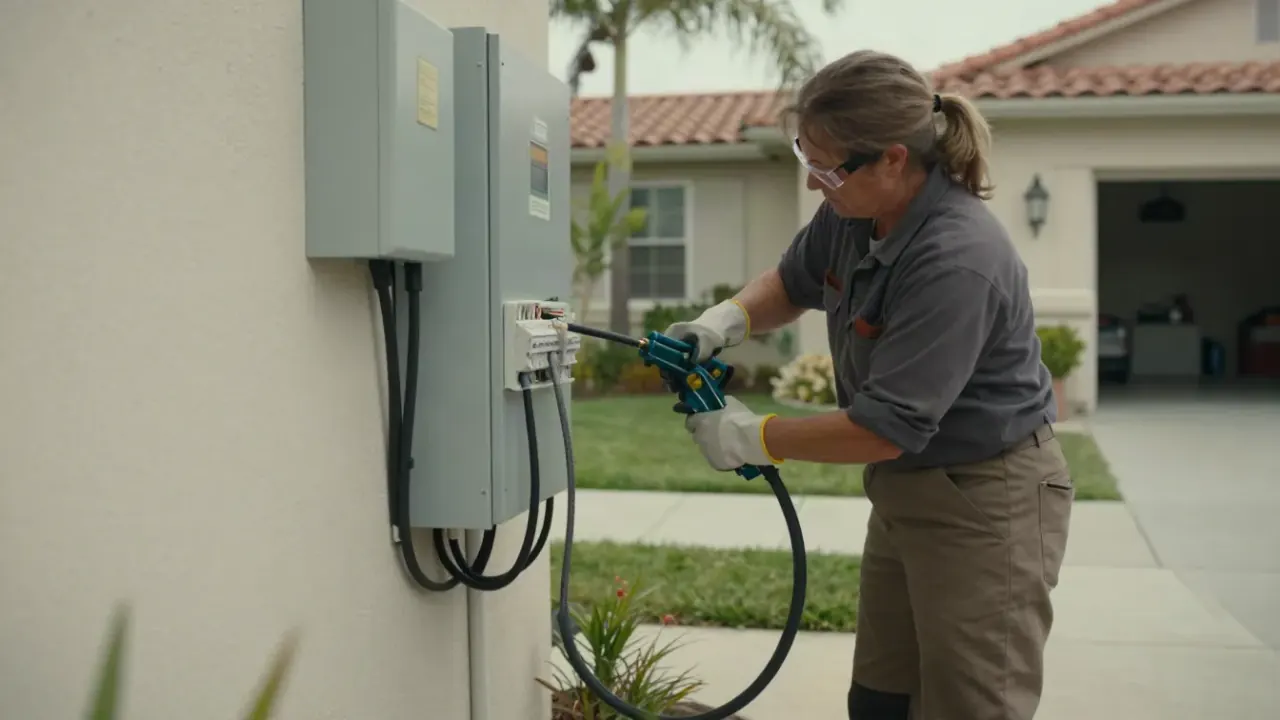
We total the existing building load and the proposed charger load to determine available amperage. This is the number that decides whether you can add chargers now, need load sharing, or need a service upgrade first.
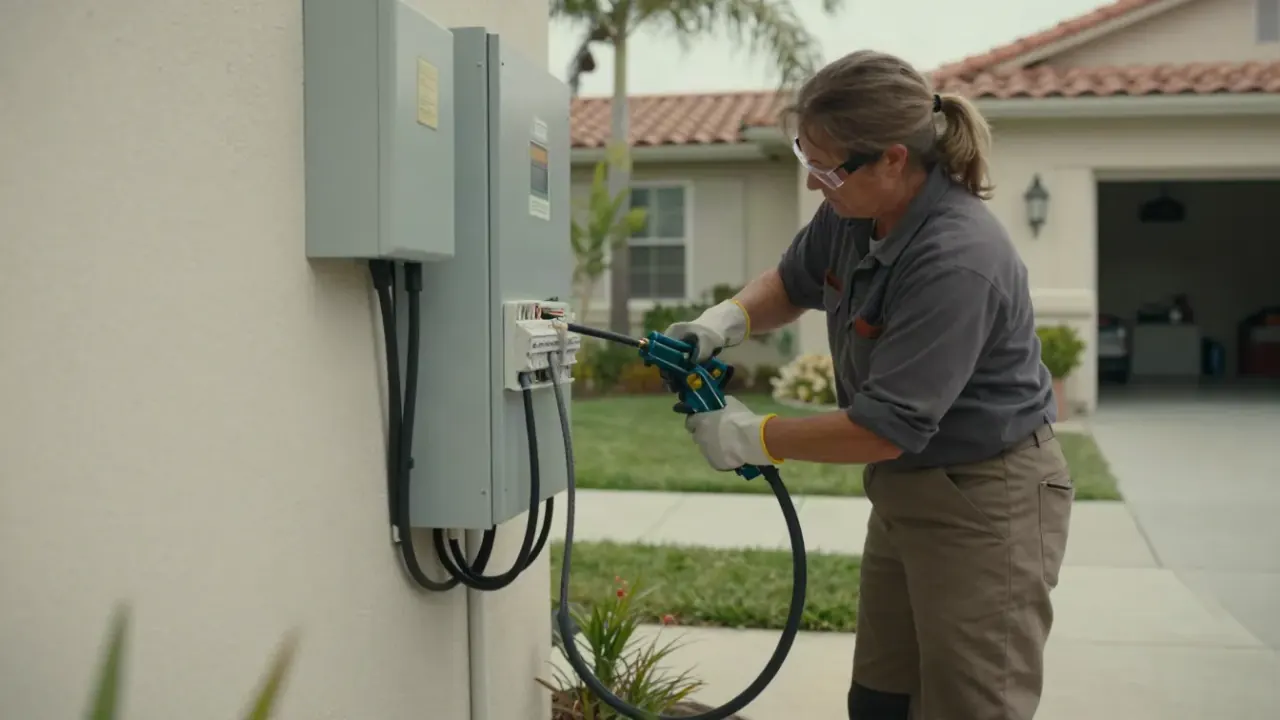
The article governing EV charging equipment installation. It drives our circuit sizing, GFCI requirements, disconnecting means, and equipment listing. Every install we do is inspected against it.
We run the load calculation, confirm the service can carry four chargers with load sharing, install a small subpanel for clean breaker isolation, and wire each stall on its own circuit. The board gets a documented install it can show future residents. Four Level 2 chargers live in under three weeks, no service upgrade needed, and the building adds a charging amenity that shows up in listings.
We prepare the California-compliant request packet, run the load check, pull the permit, and hardwire the Wall Connector on a dedicated 240V circuit set to the amperage the panel can support. The owner charges overnight at home instead of driving to a Supercharger, and the HOA has a documented, code-correct installation on file.
We install networked ChargePoint units with WiFi configuration, set amperage limits, and walk the manager through the dashboard for usage tracking and access control. Residents charge on their own accounts, the building recovers electricity cost, and the manager can add or disable stalls without calling an electrician.
We inspect the circuit, find a loose termination and an undersized wire run, correct the wiring to 6 AWG, retorque all connections, and verify the charger holds amperage through a full test cycle. The charger runs at full rate without overheating, and the owner avoids replacing a unit that was still in good condition.
Redondo Beach has a specific mix that shapes this work. Much of the condo and apartment stock in North Redondo and along the Artesia corridor was built in the 1960s and 1970s, with 100-amp main panels and shared garages that were never designed for 240V loads. Closer to the water, in South Redondo and Riviera Village, you get smaller buildings with tight subterranean parking where conduit runs are short but ceiling height and trenching options are limited. The coastal air is mild, so we are not fighting extreme heat, but salt air does corrode outdoor terminations and mounting hardware faster than inland, which is why we use corrosion-resistant clamps and seal exterior junction boxes. On the permitting side, the City of Redondo Beach and Los Angeles County both review electrical permits for multi-unit charging, and we handle that filing. If you have been looking for multi-unit EV charger installation near me Redondo Beach, the practical answer is that most buildings here can support charging with load sharing or a subpanel rather than a full service upgrade. We also work in Hermosa Beach, Manhattan Beach, Torrance, and Lawndale, where the building stock and panel sizes follow similar patterns.
A 12-unit condo garage had one 120V outlet and a tangle of extension cords. The board had been told by another contractor that a full service upgrade was required before any charger could be added, which priced the project out of reach.
We ran the NEC Article 220 calculation, confirmed the 100-amp service could support four chargers with load sharing, installed a small subpanel, and wired four stalls. The project finished in 18 days including permit and inspection, at a fraction of the quoted upgrade cost.
The board labels each circuit at the subpanel and keeps the load calculation on file. We recommend an annual torque check on charger terminations and a visual inspection of the conduit runs each spring.
A Tesla owner in Villas South was charging at a public station twice a week, spending 40 minutes each trip. The building's shared panel had two open slots, and the owner was unsure whether the HOA would approve a hardwired unit.
We prepared the approval packet, pulled the permit, and hardwired a Tesla Wall Connector on a dedicated 240V circuit set to 32 amps. The owner now charges overnight at home and the HOA has a documented, code-correct install on file.
Keep the charger firmware updated through the Tesla app and check the mounting bracket screws twice a year. We retorque the breaker terminations at the one-year mark as part of a routine check.
A property manager in Riviera Village had residents sharing a single outlet and no way to recover electricity cost. Two residents had already asked for chargers, and the manager needed per-stall billing before adding more.
We installed four networked ChargePoint units with WiFi configuration, set amperage limits to match the panel, and walked the manager through the dashboard. Residents now charge on their own accounts and the building recovers its electricity cost.
The manager checks the dashboard monthly for usage anomalies and firmware updates. We service the units annually, checking terminations, ground paths, and the conduit runs for corrosion.
Shared charging fails in predictable ways. These are the four calls we get most often from Redondo Beach condo owners and HOA boards, and how we fix each one.
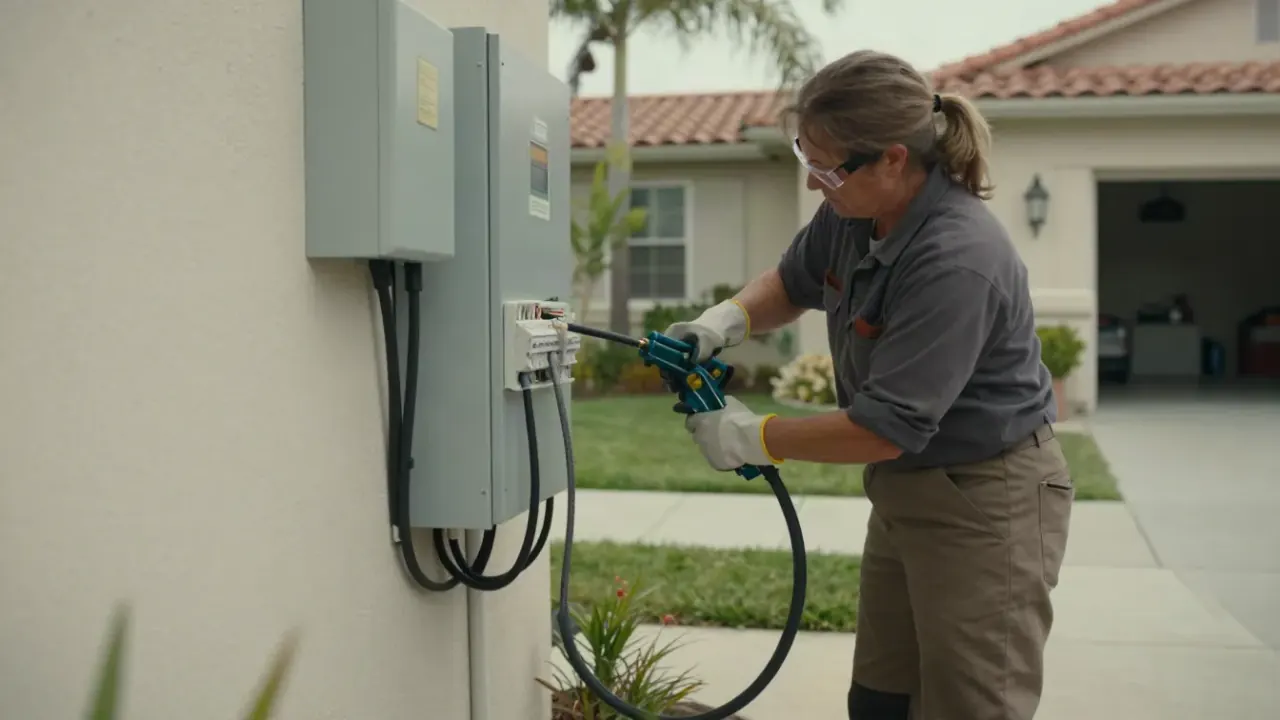
We run a load calculation first, then install a subpanel or a load-managed feeder so multiple chargers share the available capacity. A 100-amp feeder can typically support four chargers with load sharing, which avoids a full service upgrade. Without open breaker slots, no charger can be added legally, and residents keep using 120V cords that overload branch circuits and create a real fire risk in shared garages.
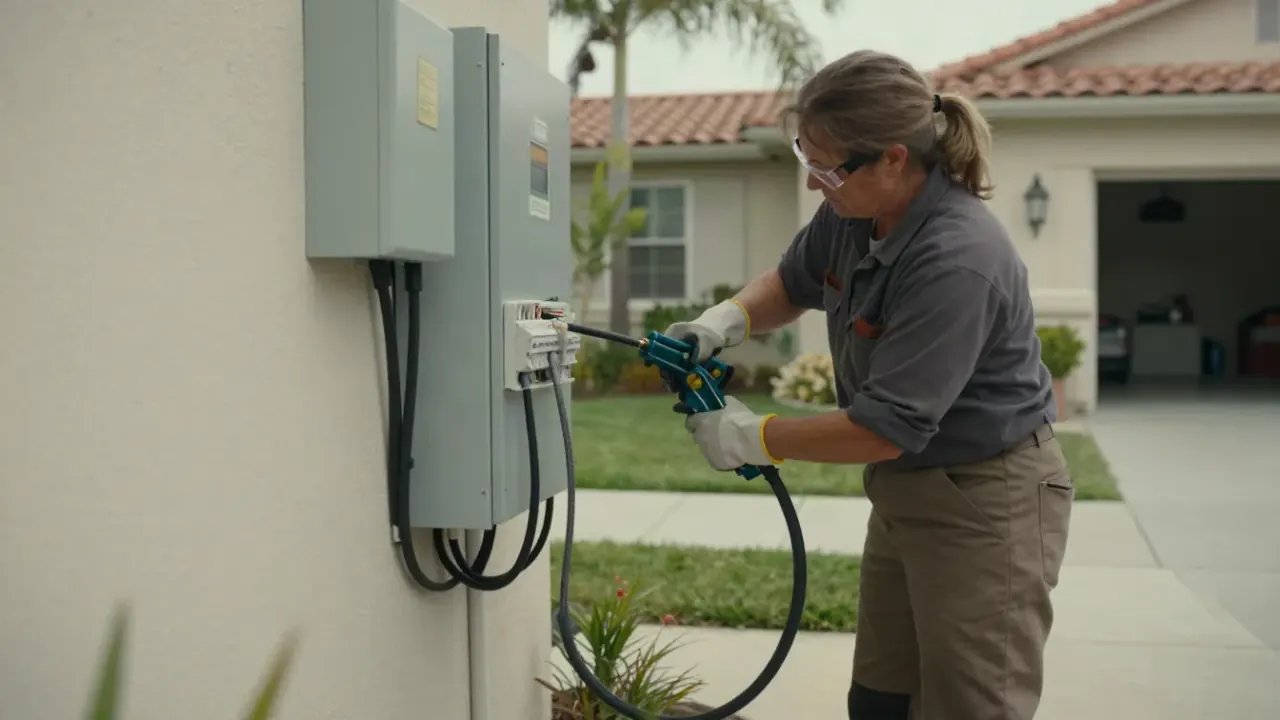
We diagnose with a multimeter, check the ground path and the terminations for correct torque, and confirm the breaker type matches the charger's requirements. Many nuisance trips trace to a loose wiring connection or the wrong GFCI breaker for the unit. A charger that trips every few hours is unusable, and residents start unplugging and replugging units, which stresses the terminations and can lead to a ground fault that takes the whole circuit down.
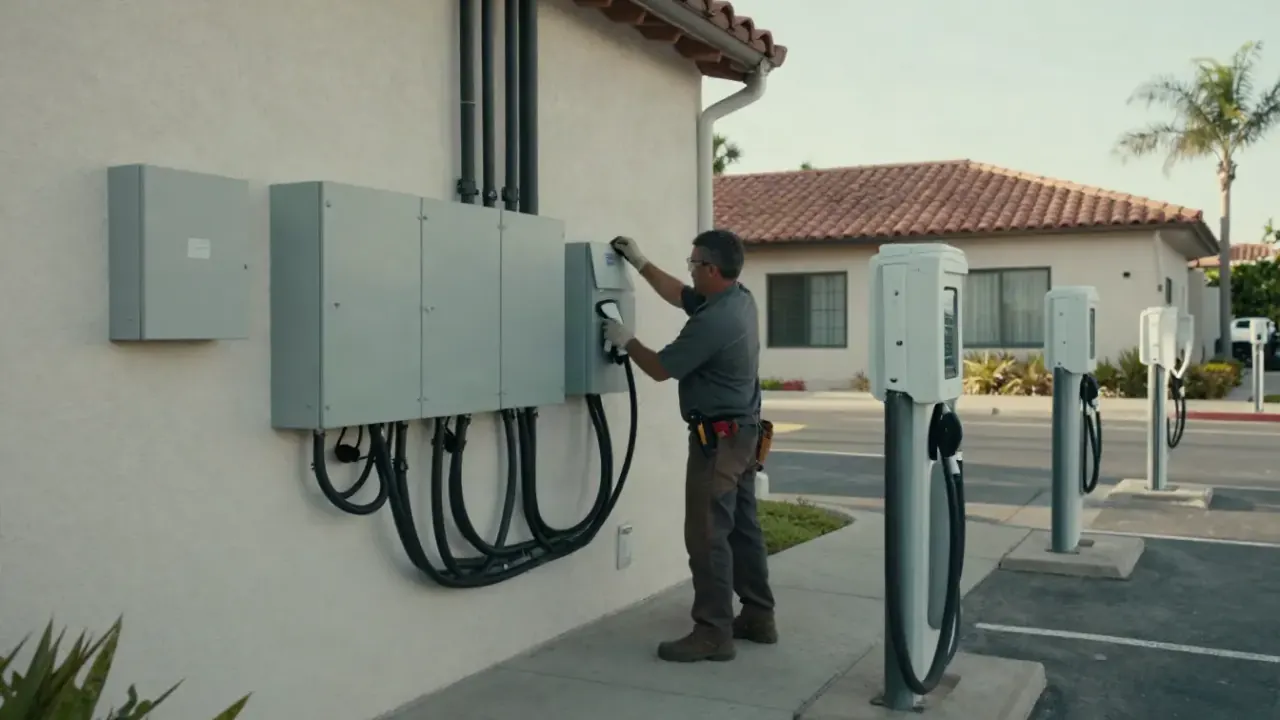
We size the copper wire to the actual distance, stepping up to 6 AWG when the run demands it, and keep voltage drop within the code-recommended limit. That keeps the charger at full amperage even in the farthest stall. A charger at the far end of a subterranean garage may only see 208 to 220 volts instead of 240, so it charges slower and runs hotter, which shortens the unit's life and frustrates residents.
We prepare the full approval packet: load calculation, one-line diagram, stall map, and contractor credentials. Boards get the answers they need in one document, which typically moves approval from months to a couple of weeks. Requests stall for months when the board has no load calculation, no diagram, and no proof the installer is qualified, and residents give up and go back to public charging.
A hardwired Level 2 charger on a dedicated 240V circuit breaker eliminates the daisy-chained 120V cords we find in North Redondo garages. Charging time drops from 40-plus hours on a standard outlet to roughly 8 to 12 hours at 32 to 40 amps, and the fire risk from overloaded branch circuits goes away.
Load-sharing hardware from Wallbox or Enel X lets a single 100-amp feeder serve four or more chargers, each throttling back when the others draw power. That is how a 1970s South Redondo building adds multi-unit EV charger installation Redondo Beach CA without a $15,000 service upgrade.
We document the load calculation, the circuit schedule, and the permit inspection so your board can show exactly what was added and where. Property managers in Riviera Village tell us that paperwork is what gets the next resident request approved in days instead of months.
A condo EV charging station installation Redondo Beach buyers can actually use is a measurable selling point. Two units in Villas South we wired last spring listed with assigned charging and went under contract in under three weeks, with the charger cited in the agent remarks.
Pricing depends on three things: how far the stall is from the panel, whether your service has amperage headroom, and how many stalls you are wiring. Typical 2026 pricing in this area runs $1,200 to $3,500 for a single stall with a short run, and $6,000 to $25,000 for a multi-stall HOA project with trenching or a subpanel. We give you a written range after the site walk, before any work is scheduled. If you want an affordable Condo and HOA Charger Installation Redondo Beach CA without surprises, the load assessment is what makes that possible.
What your estimate is based on
$1,200 - $25,000 depending on scope The load assessment is what keeps the price honest. We tell you what your building can actually support before you buy hardware, so you are not paying for a service upgrade you do not need or a charger that will nuisance-trip.
Clear records you can keep and share.
Amperage headroom and stall plan
Labeled breakers and conduit paths
Permit card and test results
The panel, not the charger, sets the limit. We measure available amperage before recommending hardware, and that number shapes the whole plan.
The load calculation tells you how many chargers the service can carry. If headroom is thin, load sharing lets several stalls run on one feeder.
A long conduit run loses voltage, so we step up to 6 AWG copper when the distance demands it. That keeps the charger at full rate in the farthest stall.
The right breaker type and a solid ground path prevent nuisance GFCI trips. Loose terminations are the most common cause of overheating we find on service calls.
Outside these areas? Call and ask, we may still cover you. (310) 294-5464
Typical 2026 pricing runs $1,200 to $3,500 for a single stall with a short conduit run from an existing panel, and $6,000 to $25,000 for a multi-stall HOA project with trenching or a subpanel. The variables are distance from the panel, whether the service has amperage headroom, and how many stalls you are wiring. We give you a written range after the site walk, before any work is scheduled.
Yes, in most cases. California law gives condo owners the right to install EV charging in their assigned parking space, subject to reasonable HOA conditions on placement and contractor qualifications. We handle the load check, pull the permit, and provide the CSLB C-10 Electrical License and insurance documents your board will ask for. If your stall is deeded or assigned, the path is usually straightforward.
We do, and we work directly with boards and property managers rather than going through a third-party network. That means the same electricians who assess your panel run the conduit, mount the chargers, and return for the inspection. We have wired shared garages in North Redondo, South Redondo, and the Villas, and we can give you references from boards we have worked with.
You need to notify your HOA and get approval for the installation plan, though they cannot unreasonably deny a compliant request under California law. Most boards want to see the load calculation, the proposed stall location, and proof the installer is a licensed C-10 electrical contractor. We prepare that packet for you, which typically shortens approval from months to a couple of weeks.
We walk the building, check the panel, and give you a written scope with the amperage headroom and a realistic schedule. One call covers the load assessment, the HOA packet, and the install. Call (310) 294-5464 and we will book the site visit.
Call us at (310) 294-5464 or send a note and we will get back to you the same business day. Tell us the car, the charger you want, and where it is going, and we can often give you a ballpark before we drive out. We are in Redondo Beach, California and work Los Angeles County daily.