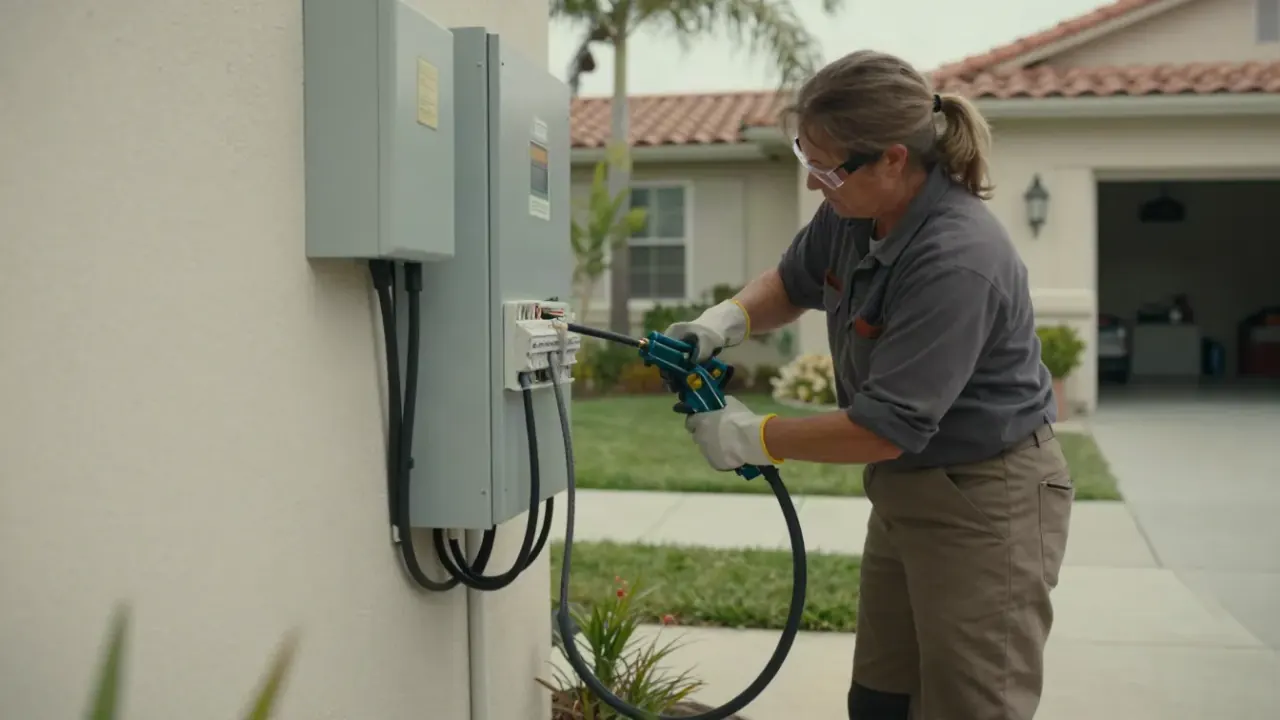
Permit number
Issued and logged the day it lands
Permit and Utility Rebate Help Redondo Beach CA means one crew handles the city permit, the inspection sign-off, and the utility rebate forms for your home charger. We work with Tesla, ChargePoint, Wallbox, and Emporia owners across Redondo Beach, CA who want the install done right and the money back. Most homeowners are leaving hundreds on the table because nobody told them which forms to file.
The service covers everything between your decision to install a charger and the day the rebate is approved. Installation labor is quoted separately, and any hardware like a subpanel or extra conduit is priced before we start. Here is what is in the file.
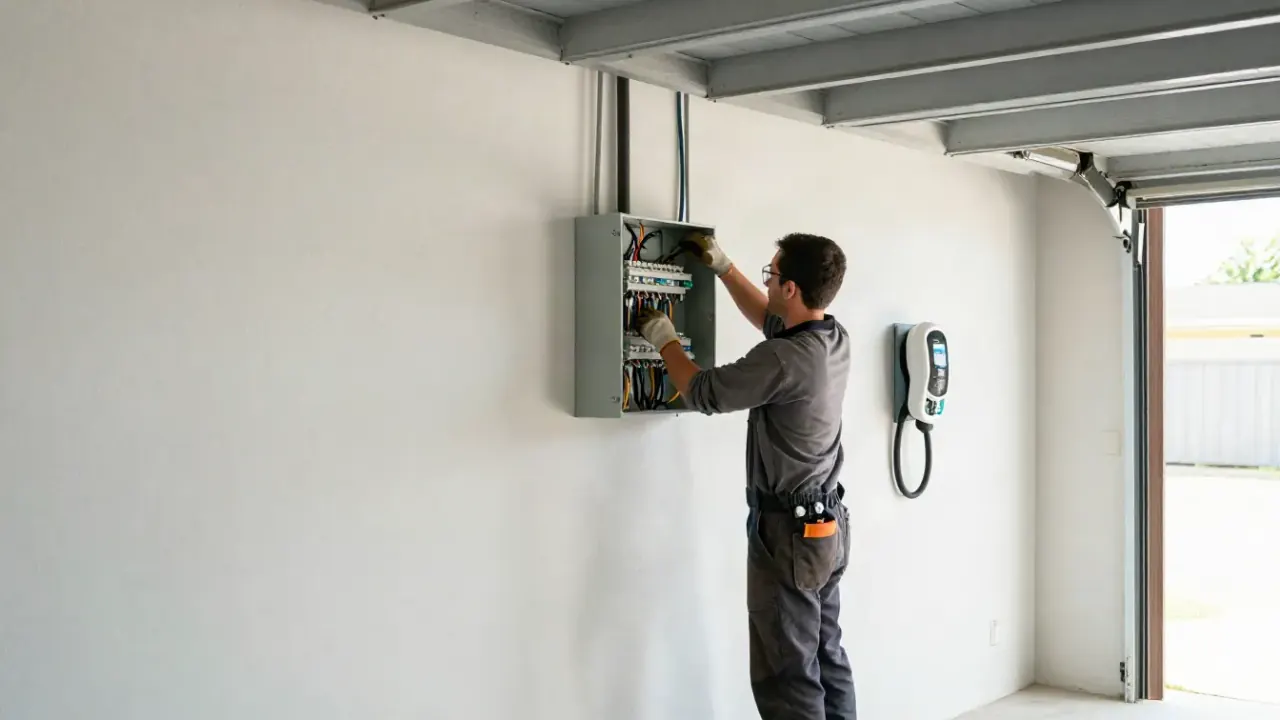
We handle the permit and rebate paperwork for chargers in single-family garages, detached carports, and condo parking spots. You get one contact from application to approval.
We file permits and incentive forms for workplace and multi-unit charging projects. Property managers get one package covering the whole site.
Permit and Utility Rebate Help Redondo Beach CA is the paperwork side of an EV charger install: pulling the electrical permit, scheduling the inspection, and filing the utility rebate application with the correct load calculations attached. A Level 2 charger on a dedicated 240V circuit needs a permit in most Los Angeles County jurisdictions, and the rebate forms ask for panel details, breaker size, and the exact charger model. We gather all of it, submit it, and follow the file until it closes.
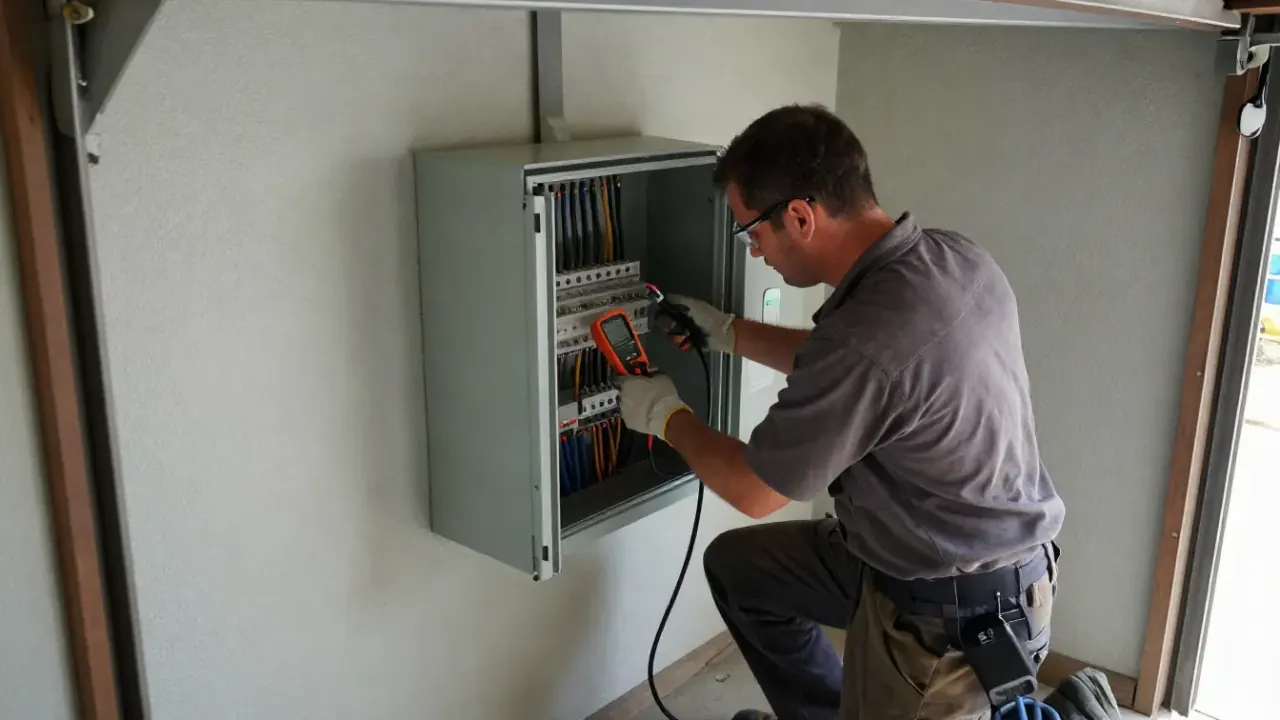
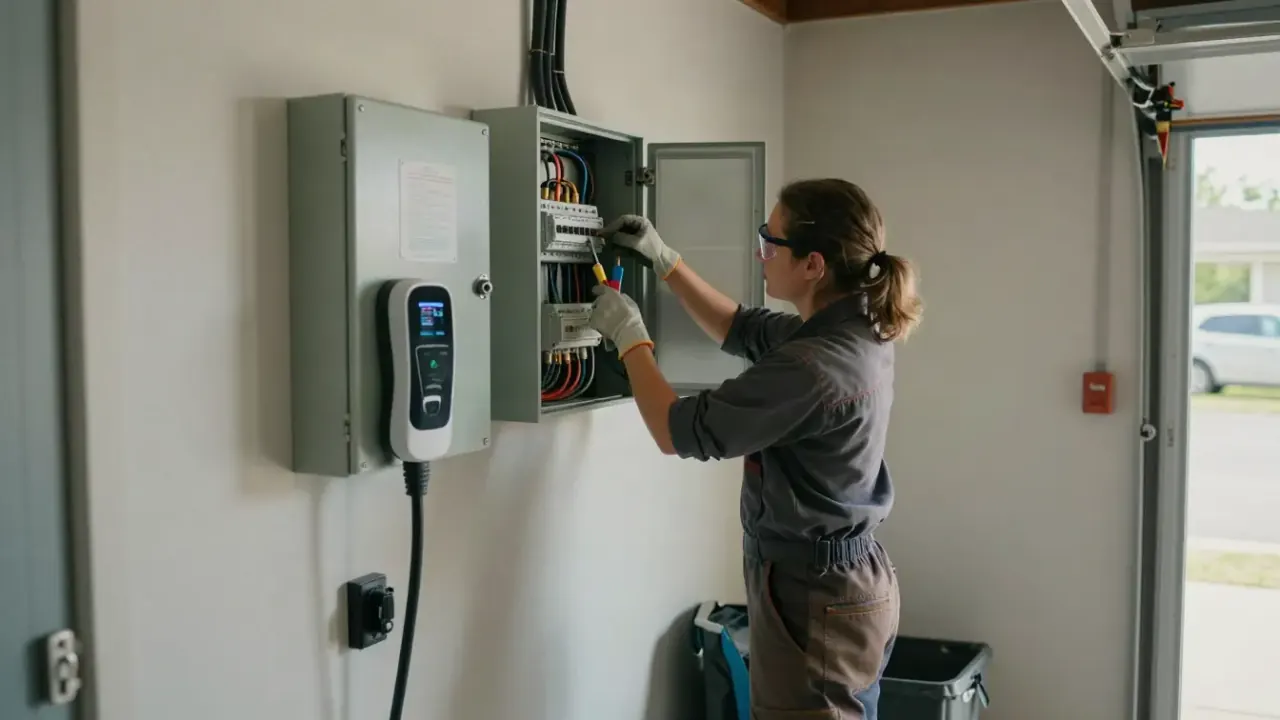
Redondo Beach has a mix of older housing stock with 100-amp panels and newer builds with 200-amp service. That difference decides whether your rebate application sails through or gets kicked back for insufficient panel capacity. We check your service with a multimeter, verify the available load under NEC Article 220, and document everything before the utility sees it. If you have been searching for EV charger permit and rebate near me Redondo Beach, this is the part most installers skip.
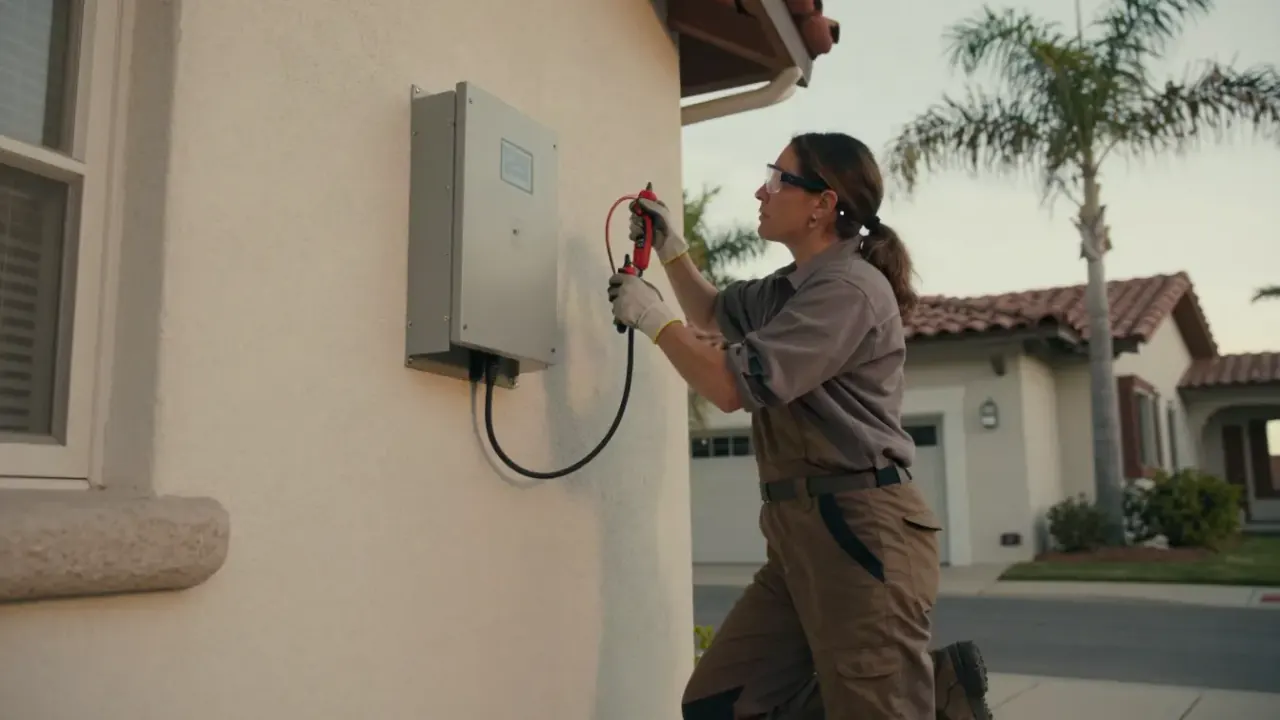
We measure the panel first, then file the permit and the rebate with matching numbers.
Five steps, roughly two to four weeks from first call to rebate confirmation, depending on how fast your city schedules inspections. Here is exactly what happens and when.
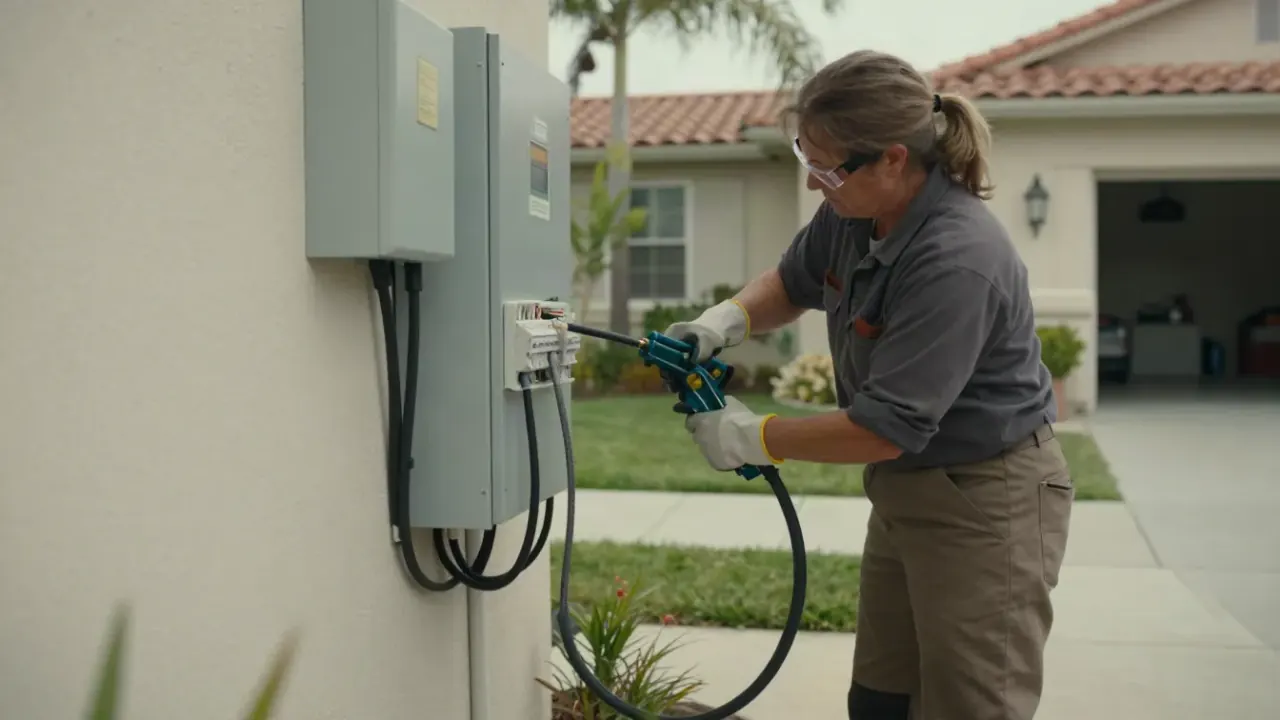
We walk your garage or carport, photograph the main panel, and check available capacity with a multimeter. You get the charger location, the wire run, and the breaker size in plain language. This visit takes about 45 minutes and costs nothing.
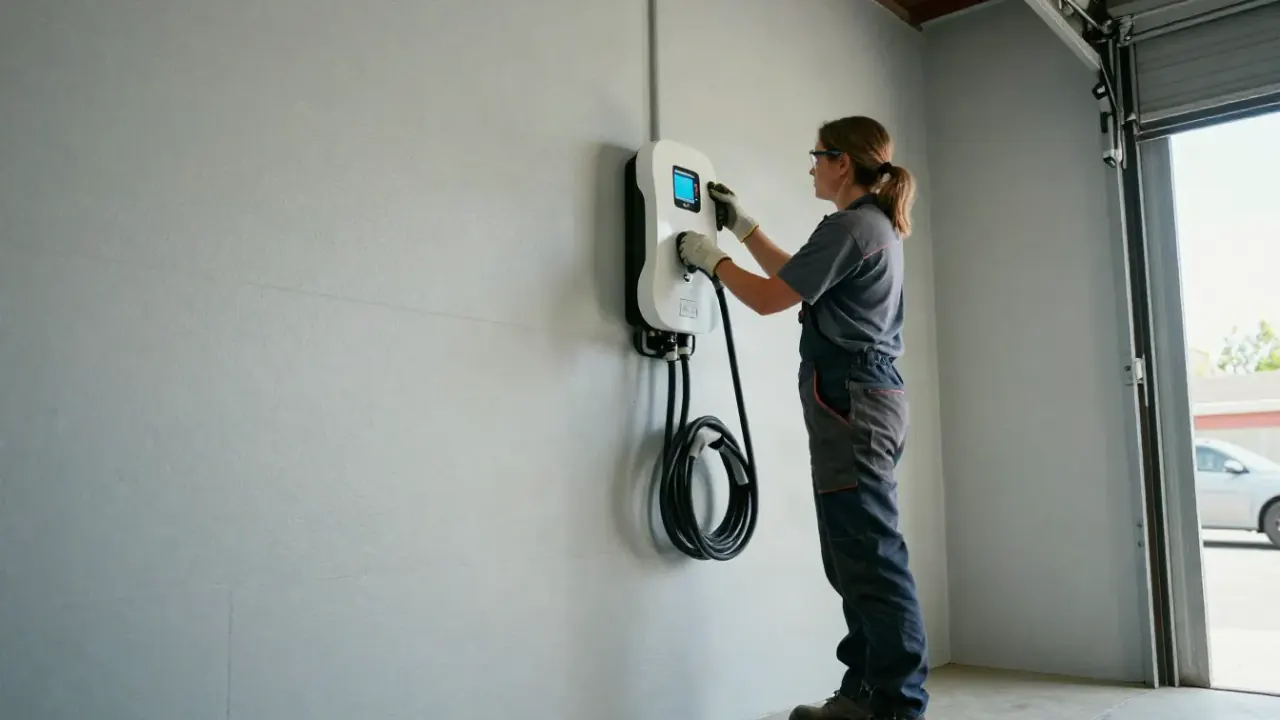
We complete the electrical permit application, attach the load calculation and the charger spec sheet, and submit to the city. Most Redondo Beach and Los Angeles County permits issue in three to seven business days. You get the permit number the day it lands.
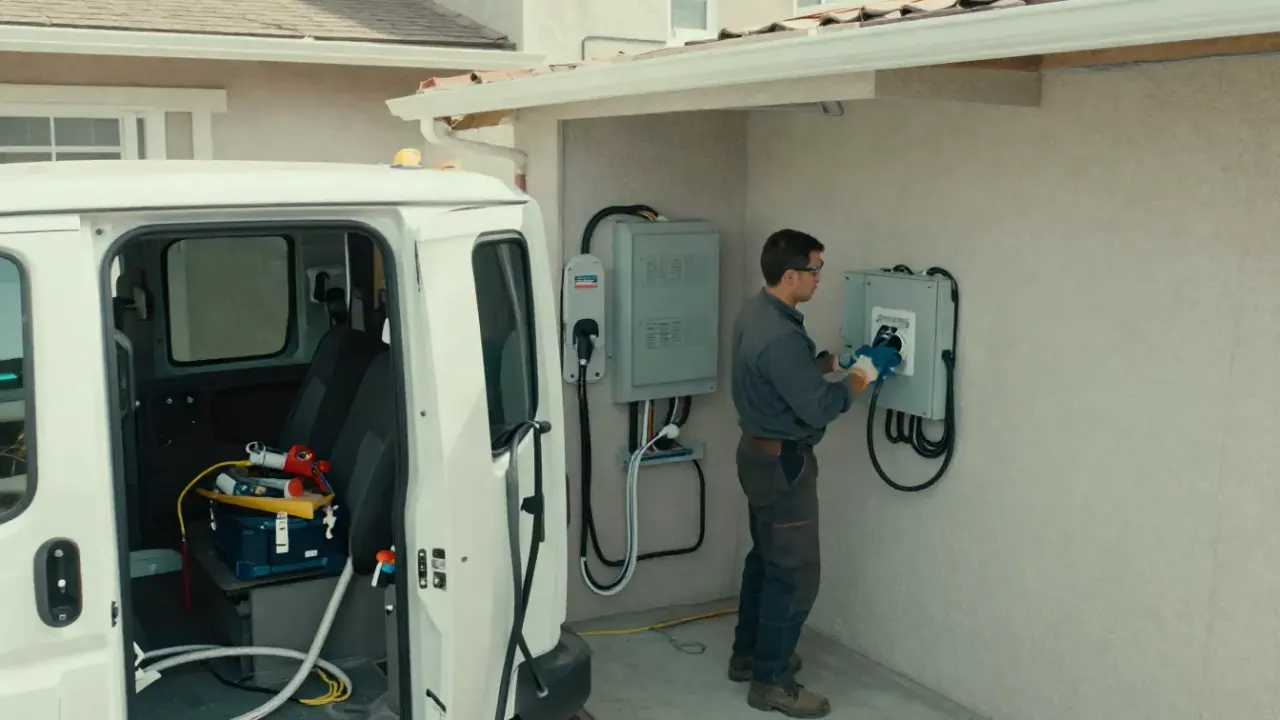
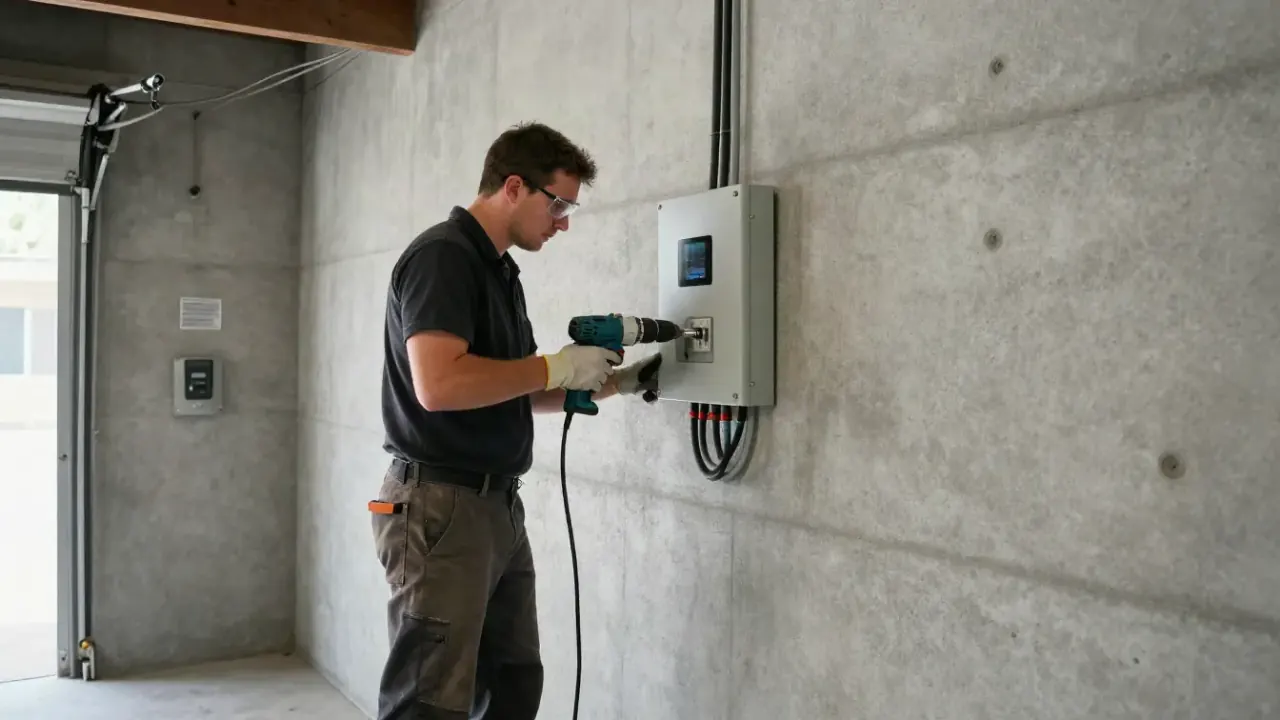
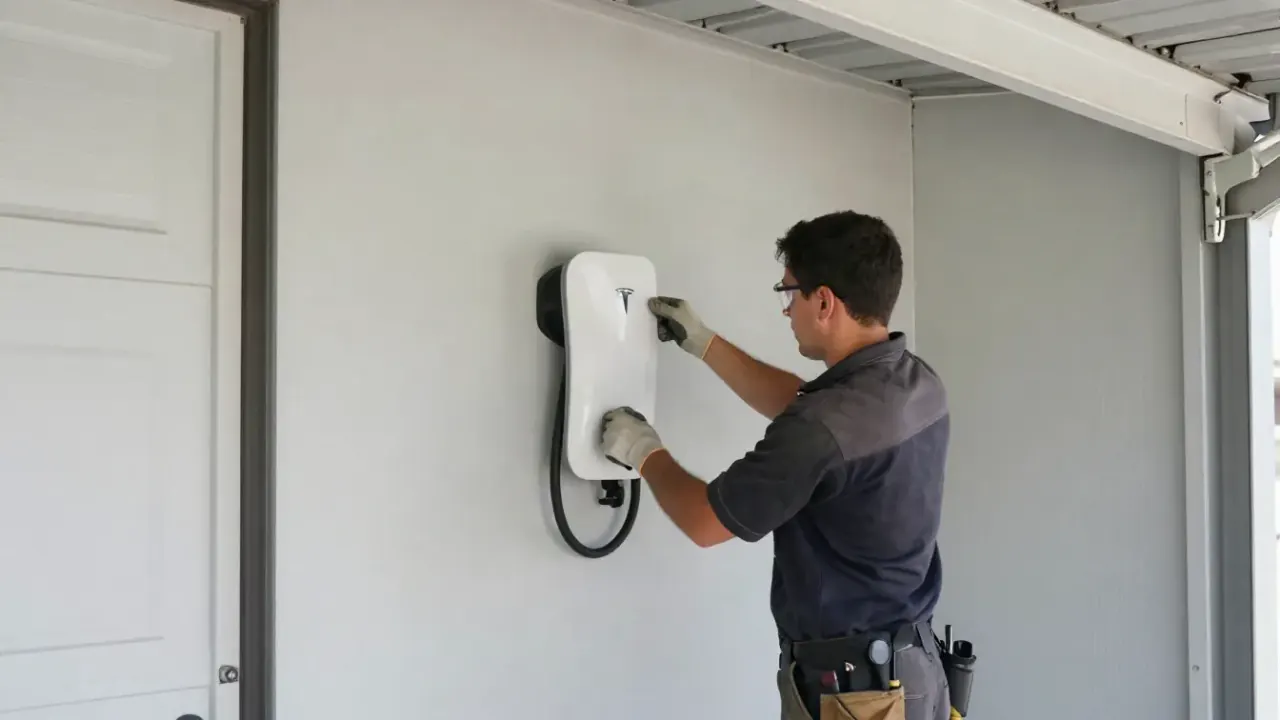
We run 6 AWG copper wire in conduit, mount the charger bracket, and torque every lug with a torque screwdriver. Then we schedule the inspection and meet the inspector on site. Typical install is four to six hours, inspection usually within a week after.
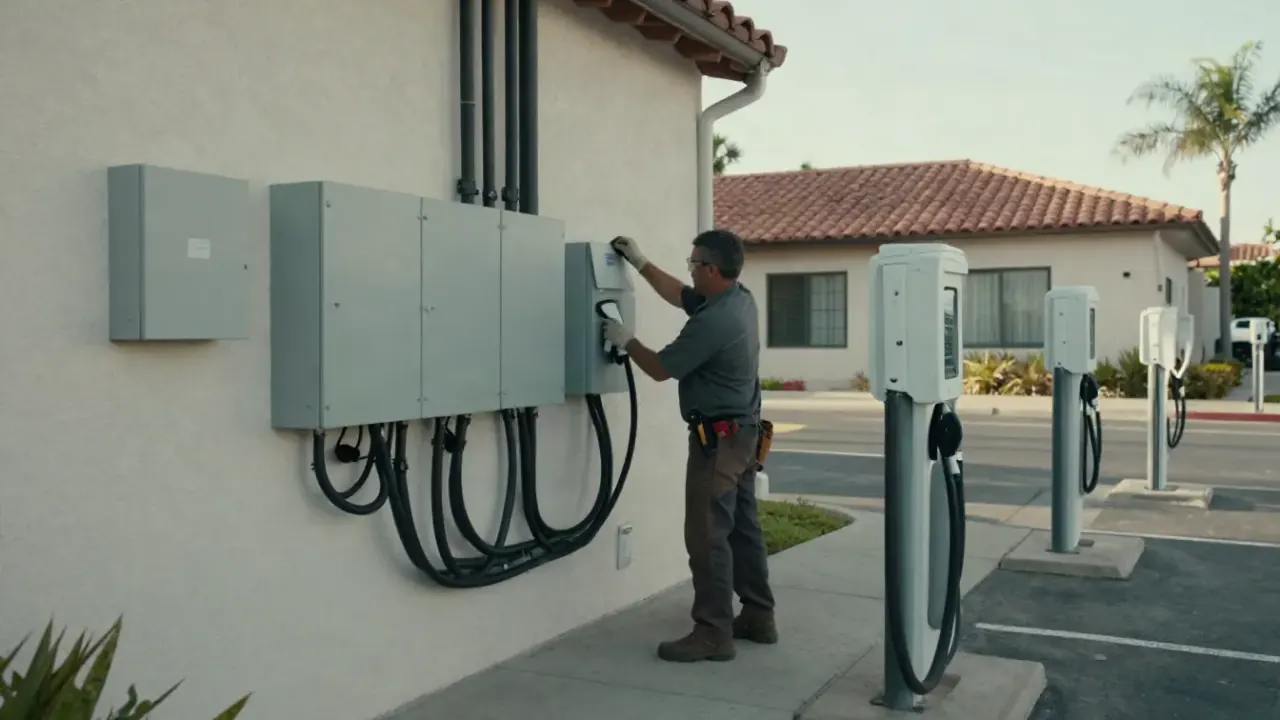
With the signed inspection card in hand, we assemble the utility rebate application: proof of purchase, permit copy, charger serial number, and the load calculation. We file it and log the confirmation number so nothing gets lost in a queue.
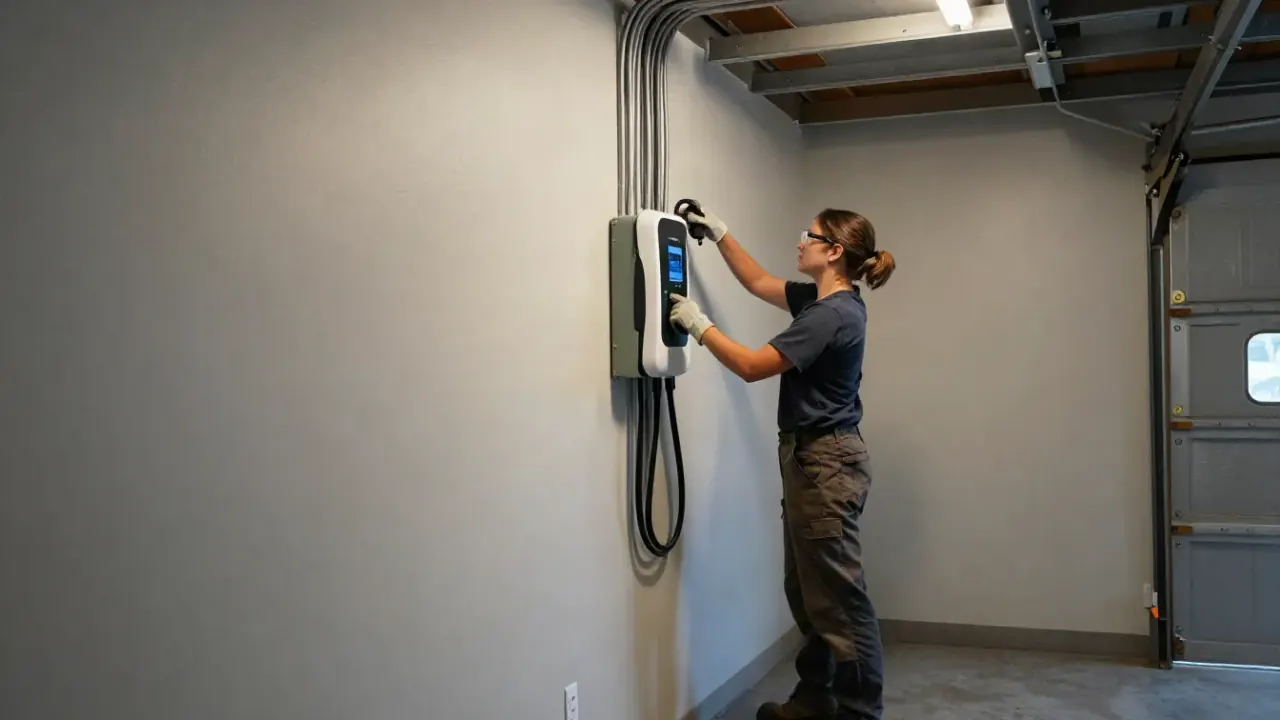
Rebate processing runs four to eight weeks in most cases. We check the status, respond to any utility requests for more detail, and tell you the moment it is approved. If the utility asks for a correction, we handle it, not you.
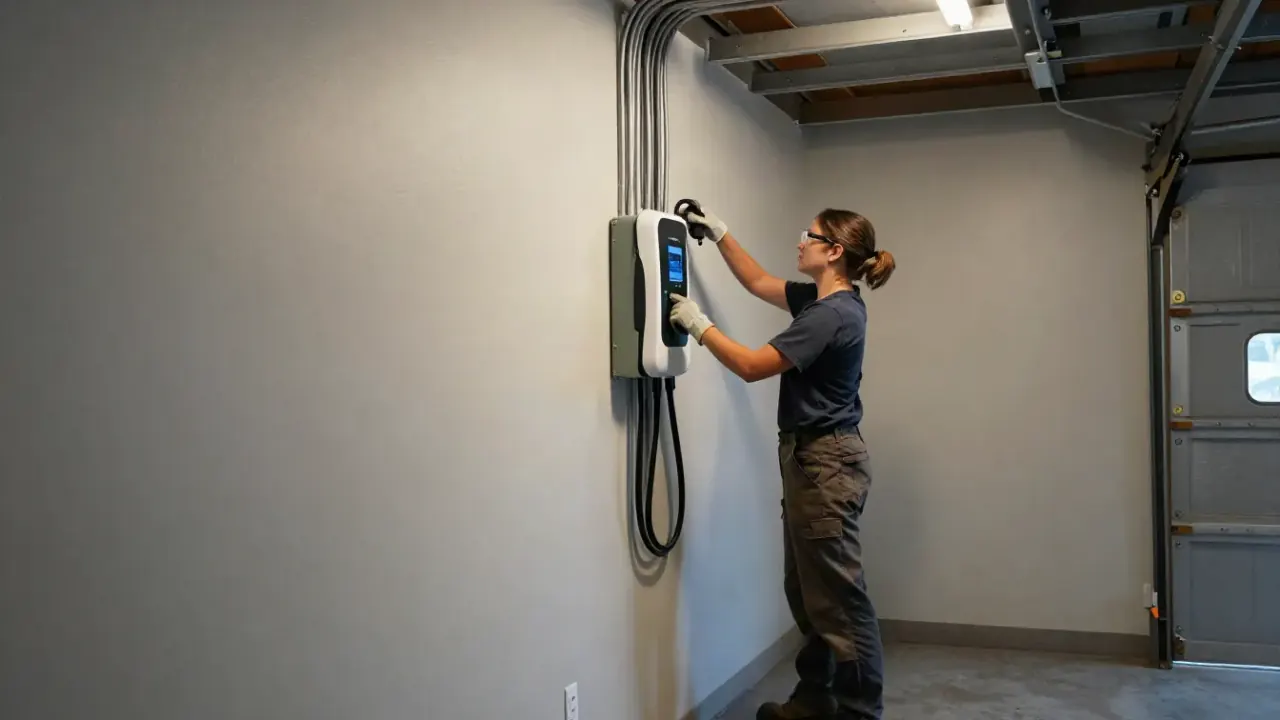
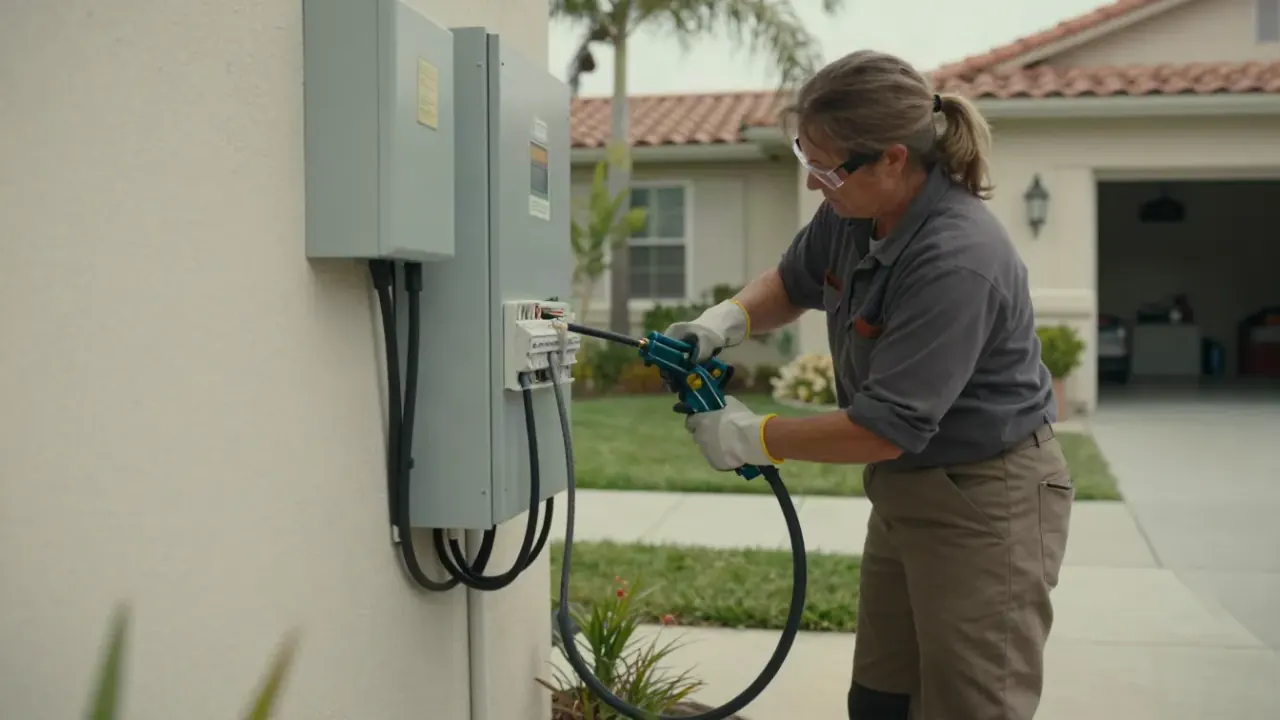
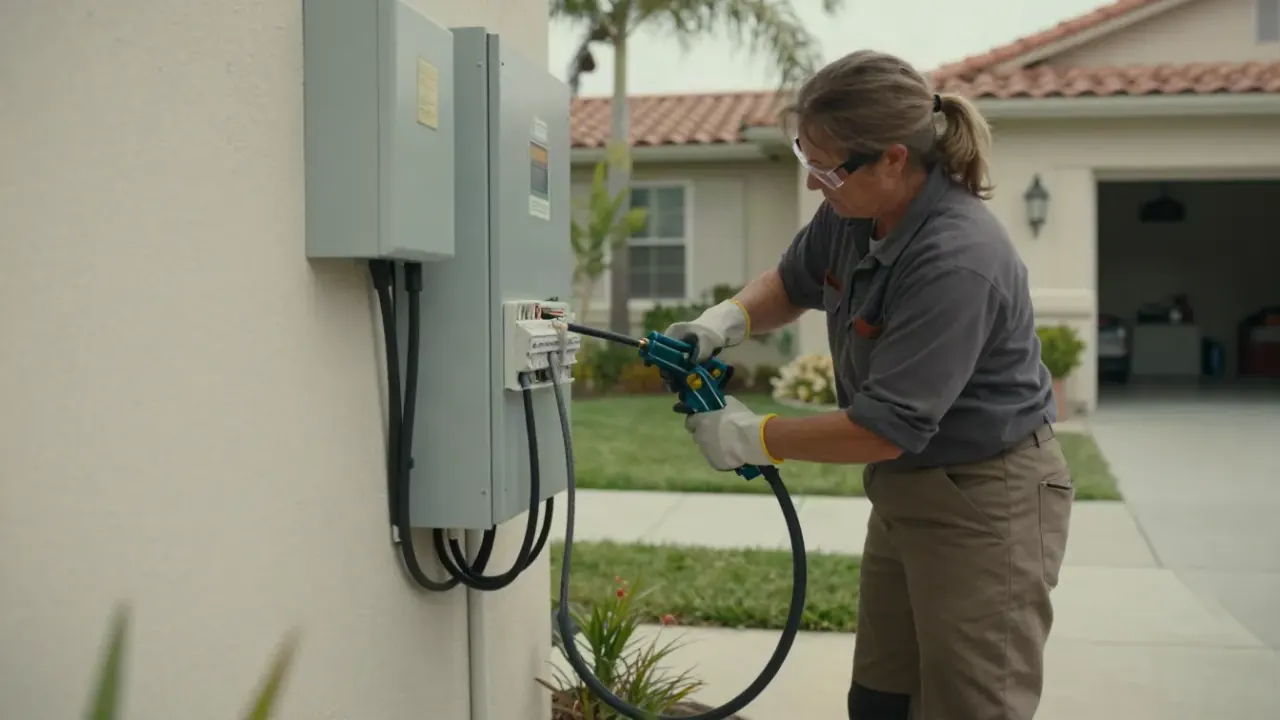
Used to measure available voltage and confirm panel capacity before we put numbers on a rebate form. No guessing, no estimates from memory.
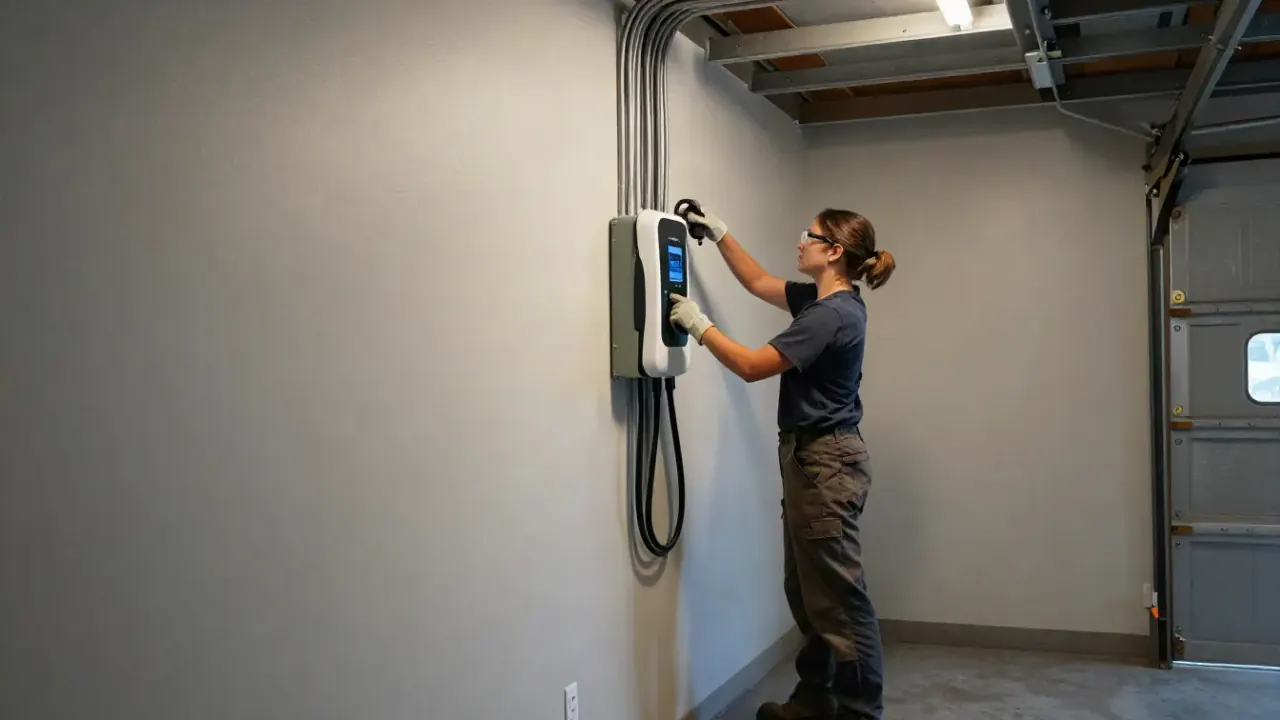
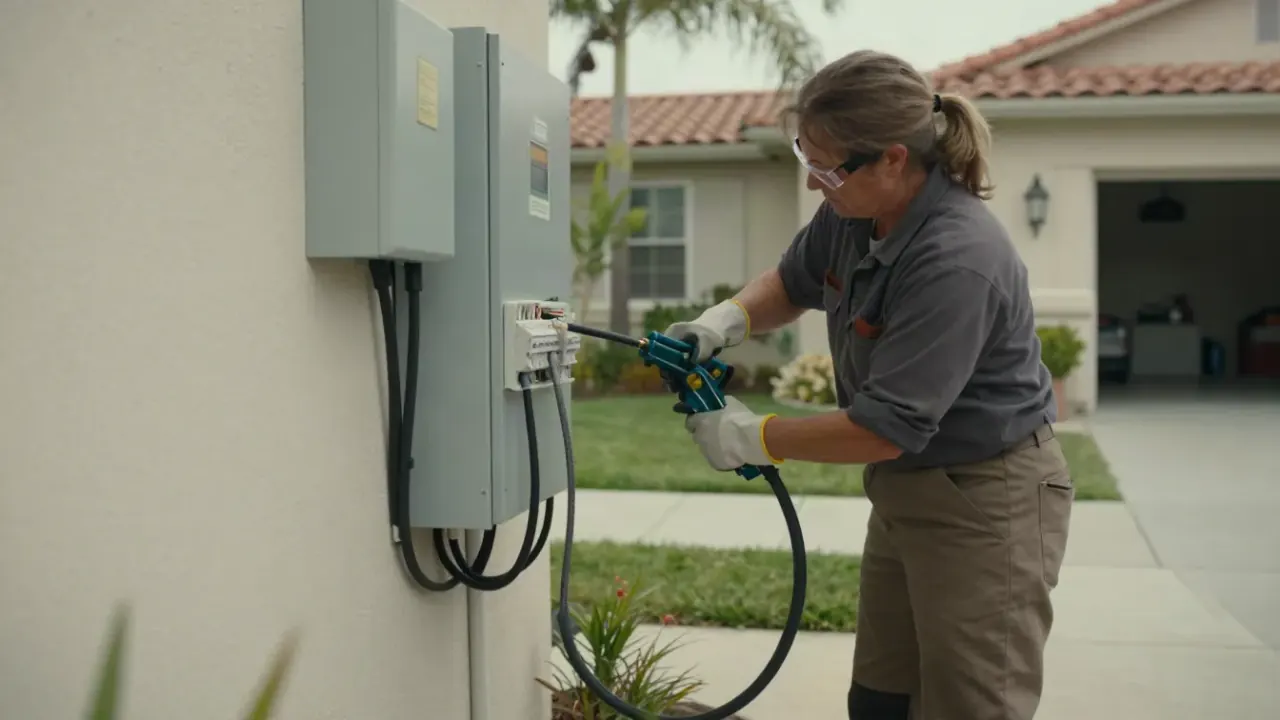
Every breaker lug and charger terminal is torqued to spec. Loose wiring connections are a top cause of overheating chargers and failed inspections.
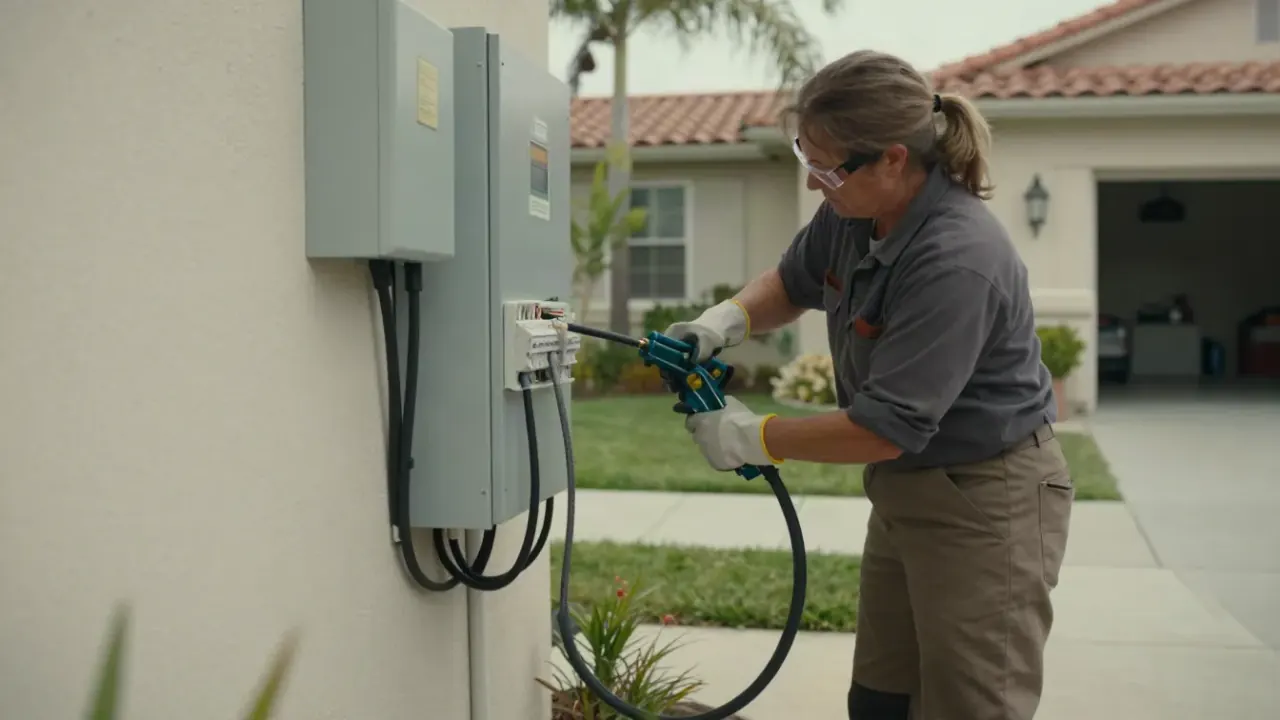
Clean terminations on 6 AWG and 8 AWG copper wire, with proper strain relief at every junction box and charger entry point.
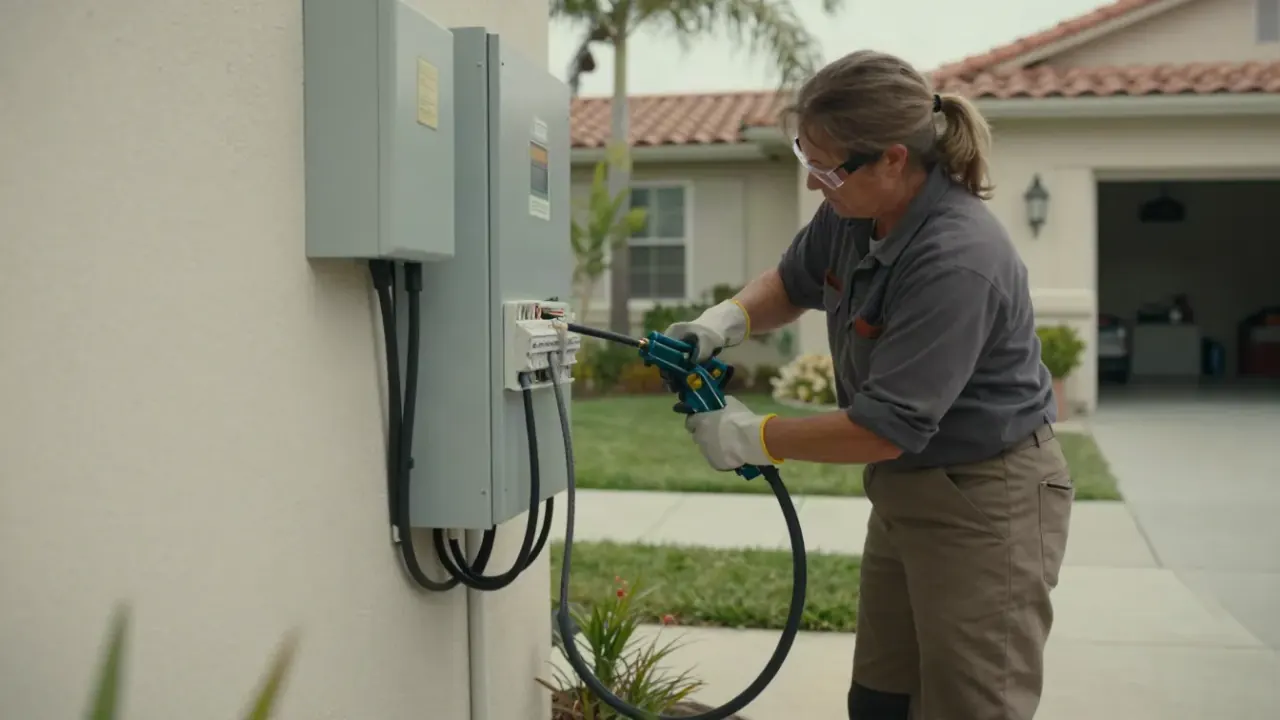
Required for the circuit in most cases. We test it before the inspector arrives so a nuisance trip does not stall your rebate.
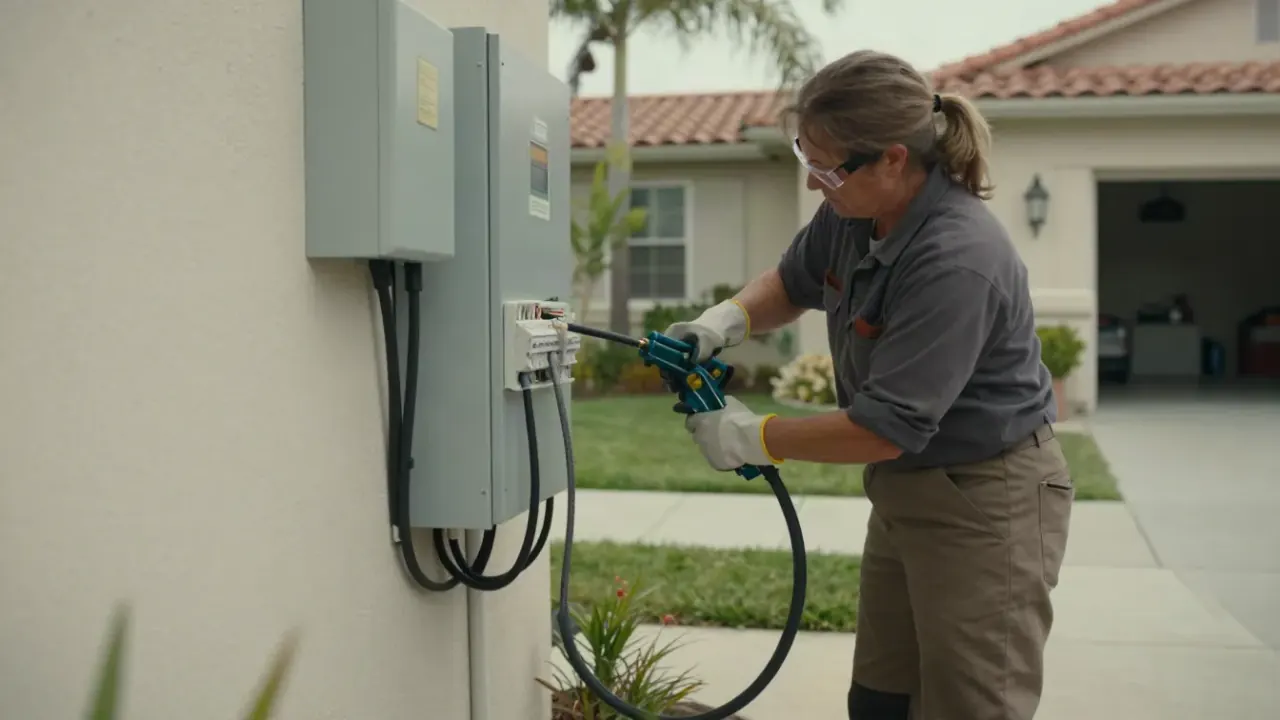
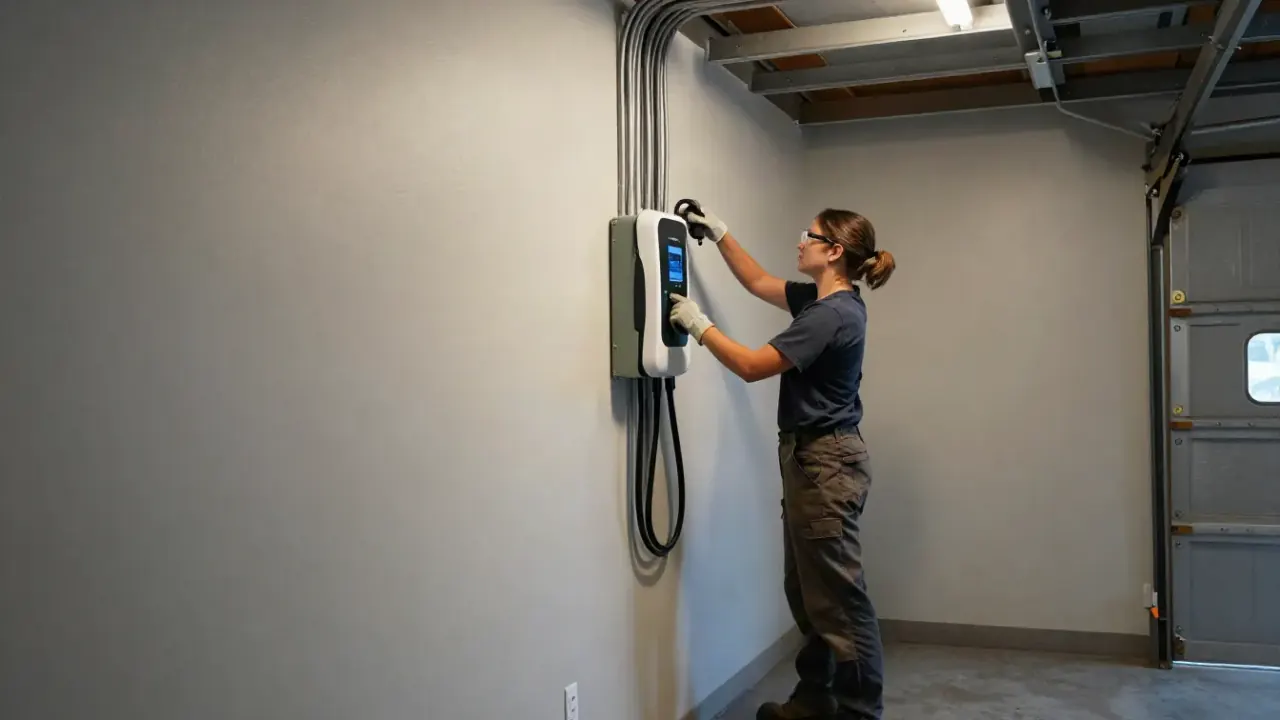
Mounted at the height and location the charger manufacturer specifies, which is also what the inspector checks on site.
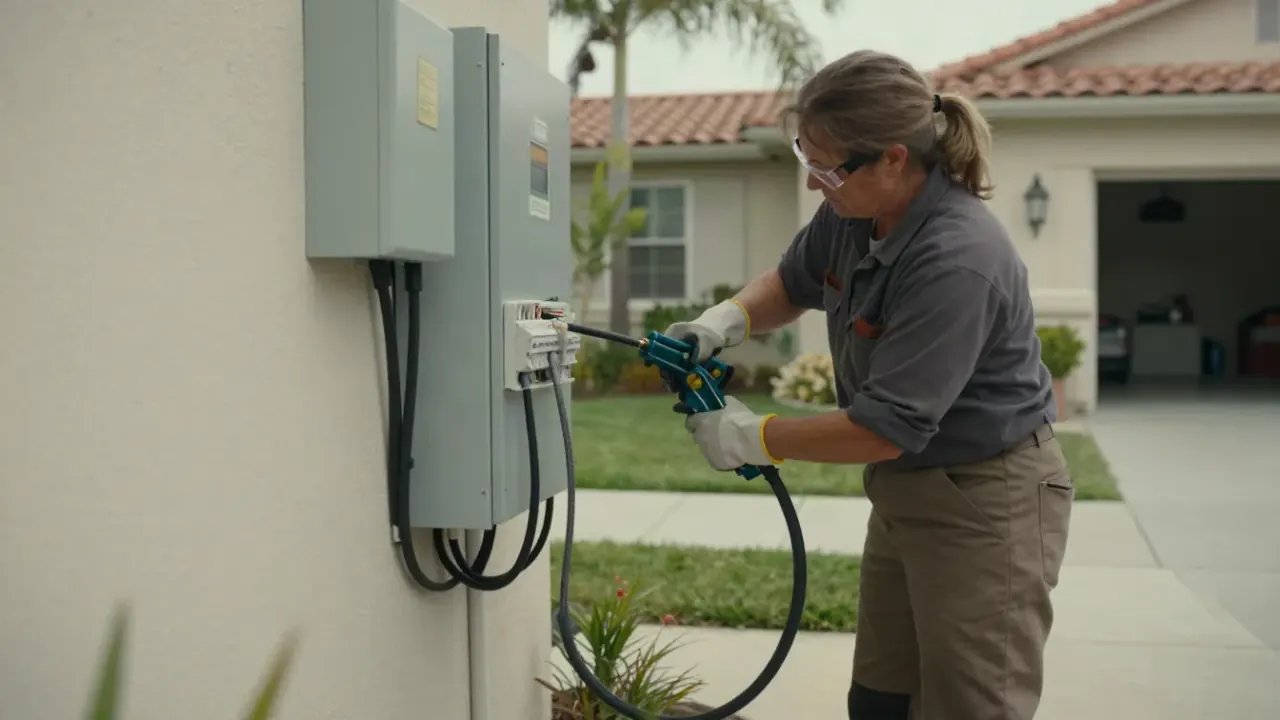
We total the existing loads on your service and document available capacity. This calculation is attached to both the permit application and the utility rebate file, so the numbers match across every submission.
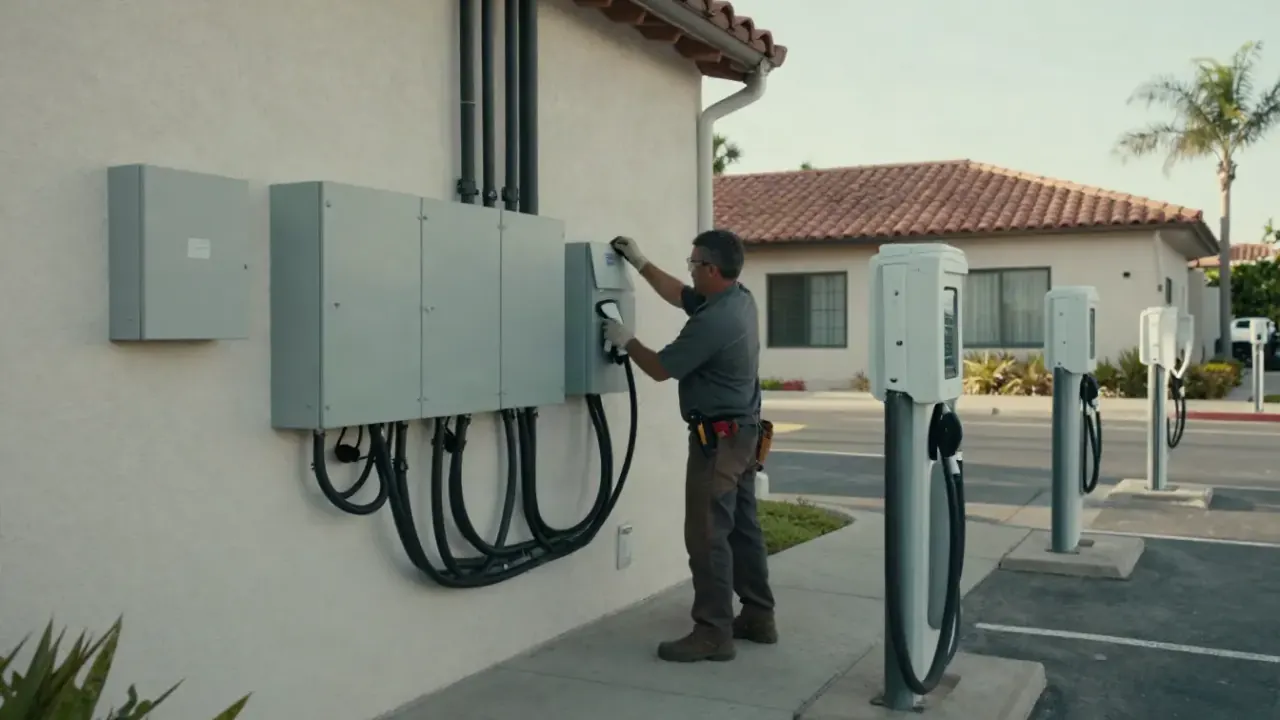
EV supply equipment has its own code article covering circuit sizing, disconnects, and protection. We install to it, which is what gets the inspection card signed and the rebate released.
California energy code affects how EV charging circuits are installed and documented. We build to Title 24 so your permit is not flagged for a code revision after the fact.
We install the Wall Connector on a dedicated 240V circuit, file the permit with the Tesla spec sheet attached, meet the inspector, and submit the rebate with the serial number and load calculation. A legal, inspected charger and a rebate application filed while the program is still open.
We gather the HOA approval, attach it to the permit application, and file the rebate package with the same documentation. We have done this for condos in Riviera Village and The Avenues. Permit issued without a second submission and a rebate file the utility accepts the first time.
We inspect the outlet, verify the breaker and wire gauge, correct anything out of code, and pull the permit. Then we file the rebate using the outlet configuration the utility requires. The circuit becomes legal and insurable, and the rebate money is recovered instead of forfeited.
We handle the commercial permit, document the panel and circuit details, and submit the workplace rebate forms. One file covers the whole installation. Chargers permitted and inspected, with the commercial incentive submitted under one clean package.
Redondo Beach sits in Los Angeles County, and the permitting path depends on your address. Single-family homes in North Redondo and Golden Hills usually go through the city, while some unincorporated pockets fall under county review. The housing stock matters too: a lot of 1950s and 1960s homes still run 100-amp panels, and adding a 48-amp charger on top of a dryer, range, and AC will not pass a load calculation without a subpanel. Coastal air also means salt exposure in carports near Riviera Village, so we use conduit and proper strain relief rather than leaving cable exposed. If you have been searching for EV charger rebate assistance Redondo Beach CA, the local piece is knowing which forms your jurisdiction wants and what your panel can actually carry. We check both before we file anything.
A homeowner in South Redondo had a NEMA 14-50 outlet installed by a handyman with no permit and no documentation. The utility rejected the rebate because there was no inspection card, and the homeowner had no idea what breaker or wire gauge was behind the wall.
We opened the circuit, verified the 6 AWG copper and the breaker, corrected a loose wiring connection, and pulled the permit. The inspection passed on the first visit, and the rebate application was filed with the correct outlet documentation. The homeowner recovered the full program amount.
Check the outlet face for heat discoloration twice a year and keep the inspection card with your home records. If you ever sell, that signed card answers the buyer's first question about the charger.
A Golden Hills homeowner wanted a 48-amp charger but the 100-amp panel was already carrying a dryer, range, and central AC. Two installers walked away. The rebate application could not be filed without a load calculation that supported the circuit.
We ran the NEC Article 220 calculation, installed a permitted subpanel, and moved the charger circuit onto it. The load documentation was updated in the rebate file, the inspection passed, and the utility approved the claim about seven weeks later.
Keep the subpanel breaker labeled and leave the charger set to its rated amperage. If you add another large appliance later, have the load calculation redone before assuming capacity is available.
A Riviera Village condo owner had a Wallbox charger that tripped its GFCI breaker every few days. The inspection had already been rescheduled once, and the rebate file was sitting open with the utility waiting on a signed card.
We traced the fault to a loose wiring connection at the junction box, corrected the termination, and re-tested the circuit under load. The charger ran for a full week without a trip, the inspection passed, and the rebate was released the following month.
Test the GFCI breaker monthly with the button on the breaker itself. If it trips repeatedly, stop using the charger and have the circuit checked rather than resetting it over and over.
Most charger installs that go wrong do not fail on the wiring. They fail on the paperwork: a missing permit, an unverified panel, or a rebate filed after the program closed. Here is what we fix.
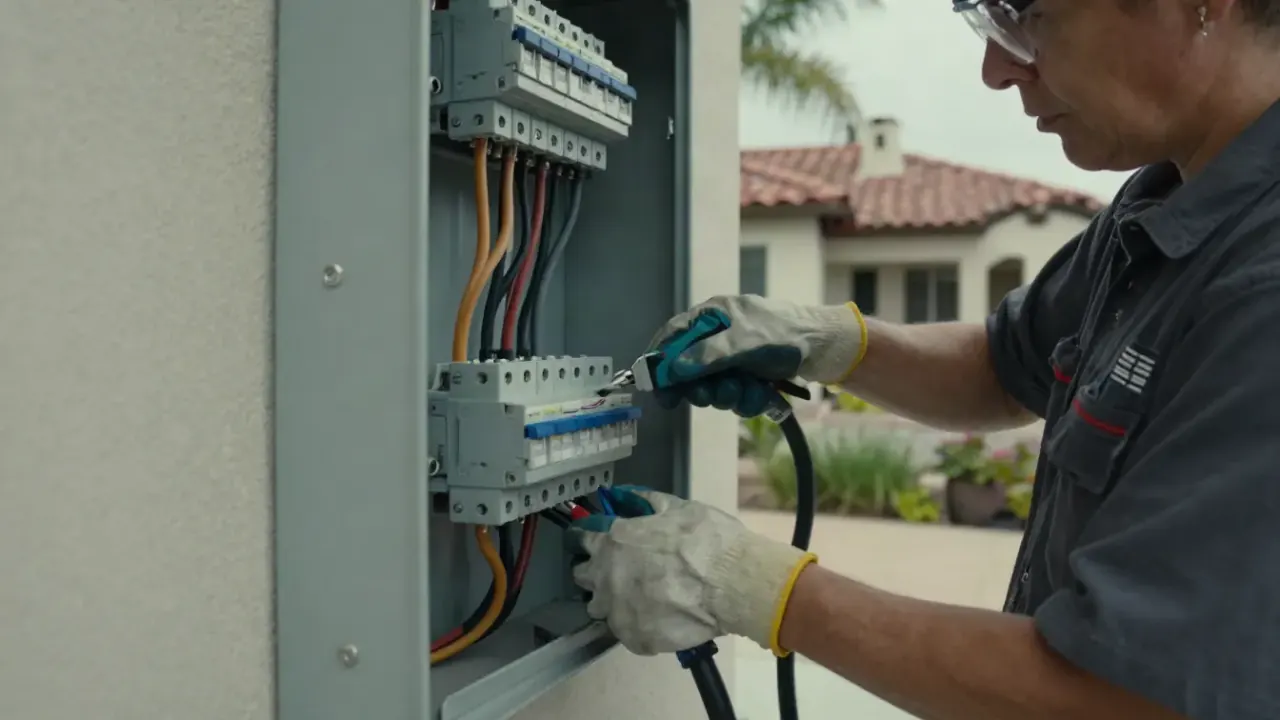
We review the existing install, correct anything that does not meet NEC Article 625, pull the permit, and get it inspected. Once the card is signed, we file the rebate paperwork as if it were a new job. An unpermitted 240V circuit can void homeowner coverage and disqualifies you from most utility rebates. If the work is ever inspected after the fact, you pay for corrections out of pocket.
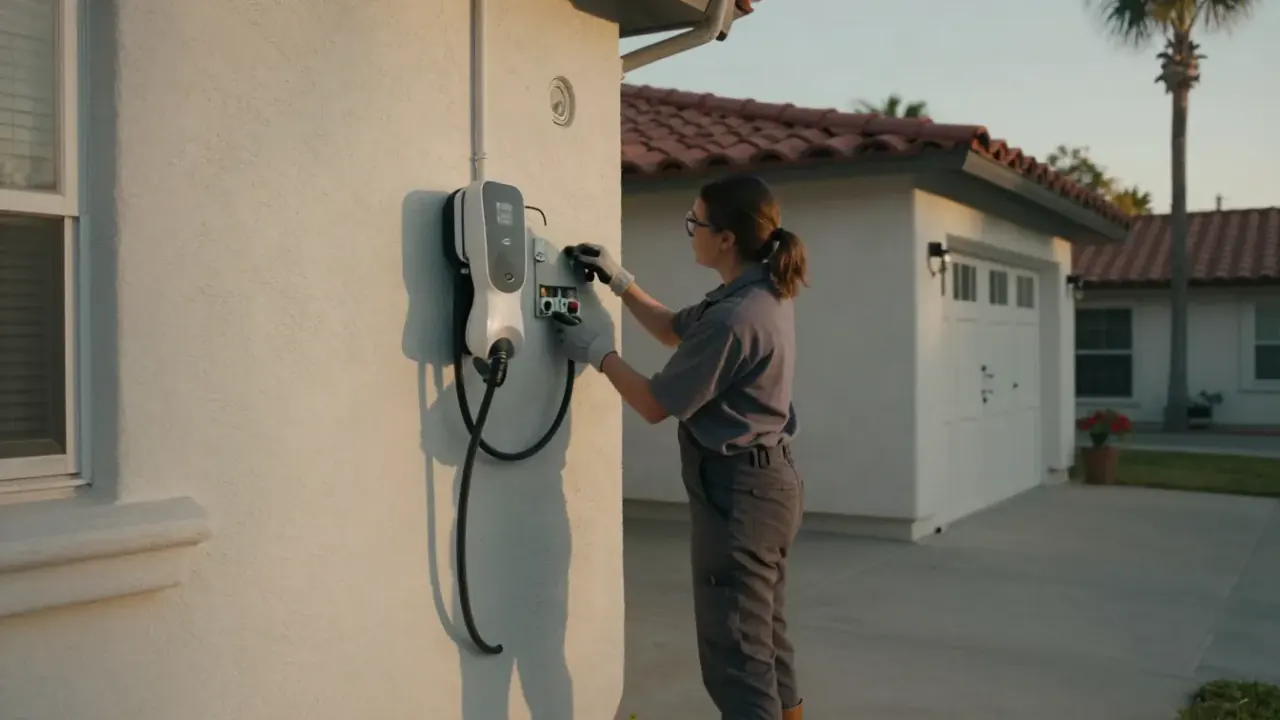
We prepare the load calculation to NEC Article 220, attach the panel photos and breaker details, and resubmit a complete package. We also track the new confirmation number until it is approved. The utility returns the file, the program window may close, and you end up resubmitting from scratch weeks later. Many homeowners give up at this point and lose the money entirely.
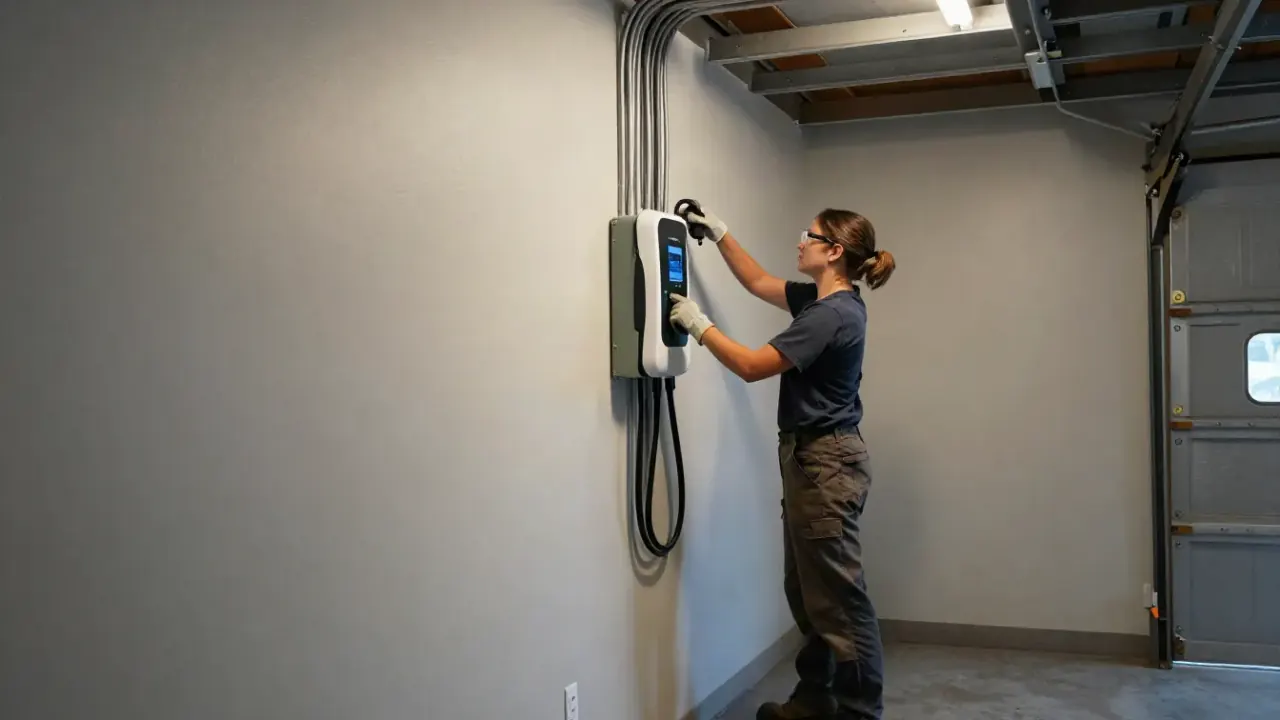
We measure capacity before quoting. If a subpanel is needed, we permit it, install it, and update the load calculation in the rebate file so the paperwork matches the finished job. The install stops, the permit scope changes, and the rebate application no longer matches the work. Costs climb and timelines slip while you decide what to do.
We diagnose ground faults, loose wiring connections, and voltage drop with a multimeter, correct the circuit, and re-test before the inspector arrives. The rebate file stays on track. A charger that trips its GFCI will not pass inspection, and the rebate cannot be released without a signed card. You are left with a dead charger and an open file.
Utility rebate help for EV chargers Redondo Beach customers often skip because the application asks for panel load calculations and a copy of the permit. We attach both, file before the program window closes, and follow up until the check or bill credit lands.
We install to NEC Article 625 and California Title 24 requirements, so the inspector sees a labeled breaker, a properly torqued lug, and a mounted holster. A failed inspection means a re-inspection fee and another week of waiting. We build for the pass.
A 100-amp panel with a dryer, range, and AC already running may not carry a 48-amp charger. We run the load math before you buy hardware, and if a subpanel is needed we quote it upfront instead of surprising you mid-job.
You get one number to call for the permit status, the inspection window, and the rebate confirmation. No chasing the city, then the utility, then the installer. We hold the file from application to approval.
Typical 2026 pricing for permit and utility rebate help in Redondo Beach runs $250 to $650 as an add-on to the charger installation. That covers the permit fee, the load calculation, inspection coordination, and the rebate filing. Installation labor, wire, conduit, and any subpanel are quoted separately and confirmed before we start. The rebate you recover often covers a large share of the paperwork cost, which is why we treat filing as part of the job rather than an afterthought. If you want EV charger rebate assistance Redondo Beach CA homeowners actually receive, the file has to be complete the first time.
What your estimate is based on
$250 - $650 for the permit and rebate service, plus installation The rebate you recover frequently offsets most or all of the paperwork cost, and the signed inspection card protects your insurance coverage. You are paying for a legal, documented install and money back, not just a form.
Clear records you can keep and share.
Issued and logged the day it lands
Prepared to NEC Article 220
Filed with a tracking number
The utility will not release a rebate without a signed inspection card. That means the permit has to be pulled and the work inspected before the money moves.
A rebate filed before the inspection is complete gets returned. We file only after the card is signed.
The breaker size on your permit has to match the one on your rebate form. We document both from the same measurement.
Available capacity decides whether a charger can be permitted as planned. We measure it before quoting the job.
Outside these areas? Call and ask, we may still cover you. (310) 294-5464
Permit and utility rebate help typically runs $250 to $650 in 2026, and that covers the permit fee, the load calculation, the inspection coordination, and the rebate filing. The rebate you recover often offsets a large part of that. Exact cost depends on your panel, the charger model, and whether an HOA letter is required.
Utility rebate help for EV chargers Redondo Beach customers use most often comes through Southern California Edison and local air quality programs, and the amounts change by program year. Most require a copy of the electrical permit and proof the charger is installed. We check what is open when you call and file only for programs you actually qualify for.
Yes. A Level 2 charger on a new 240V circuit requires an electrical permit in Redondo Beach and Los Angeles County. Installing without one can void your homeowner insurance and disqualify you from rebates. We pull the permit, meet the inspector, and keep the signed card for your rebate file.
We do, and we handle the whole chain: application, load calculation, inspection scheduling, and rebate submission. If you have already had the charger installed by someone else, we can still review the work, pull a permit if it was skipped, and file the rebate paperwork on your behalf.
One call starts the permit, the inspection, and the rebate filing. We will tell you what your panel can carry and which programs are open right now. Call (310) 294-5464 and we will get your file moving this week.
Call us at (310) 294-5464 or send a note and we will get back to you the same business day. Tell us the car, the charger you want, and where it is going, and we can often give you a ballpark before we drive out. We are in Redondo Beach, California and work Los Angeles County daily.